What Are CNC Valve Blocks and Why Are They Critical in Hydraulic Systems
CNC valve blocks play a vital role in modern hydraulic and pneumatic systems by integrating multiple flow paths, valves, and ports into a single precision-machined component. This in-depth guide explores what CNC valve blocks are, how they are manufactured, why they are essential to hydraulic performance, and how industries benefit from custom CNC machined valve blocks.

Table of Contents
- 1. What Is a CNC Valve Block?
- 2. Why CNC Valve Blocks Are Critical in Hydraulic Systems
- 3. How CNC Valve Blocks Work
- 4. Materials Used in CNC Machined Valve Blocks
- 5. CNC Valve Block Manufacturing Process
- 6. Standard vs Custom CNC Valve Blocks
- 7. Key Design Considerations
- 8. Applications of CNC Valve Blocks
- 9. Benefits of Choosing a Professional Manufacturer
- 10. Frequently Asked Questions (FAQ)
1. What Is a CNC Valve Block?
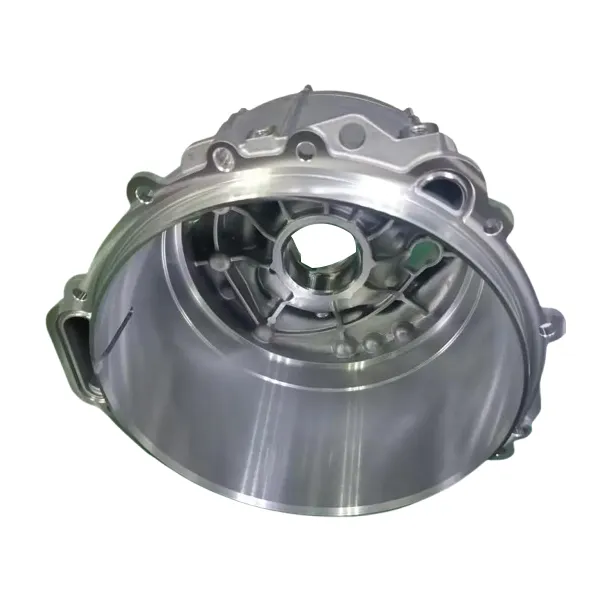
A CNC valve block, also known as a hydraulic manifold block, is a solid metal component that contains precisely machined internal channels and ports to control the flow, pressure, and direction of fluids in hydraulic or pneumatic systems.
Unlike traditional piping systems that rely on external hoses and fittings, CNC valve blocks consolidate multiple hydraulic functions into a compact, leak-resistant structure. These blocks are produced using Computer Numerical Control (CNC) machining, ensuring extreme accuracy, repeatability, and reliability.
2. Why CNC Valve Blocks Are Critical in Hydraulic Systems
- Ensure precise fluid control
- Reduce leakage points
- Improve system reliability
- Optimize space and weight
- Enhance safety under high pressure
In high-pressure hydraulic systems, even a minor leak or pressure drop can result in performance loss or system failure. CNC valve blocks eliminate unnecessary connections, significantly reducing risk while improving efficiency.
3. How CNC Valve Blocks Work
CNC valve blocks function by routing hydraulic fluid through a network of internal passages. These passages connect pumps, actuators, valves, and sensors in a compact design.
Each port and cavity is machined with tight tolerances to ensure smooth fluid flow and minimal turbulence, which helps maintain consistent pressure and reduce energy loss.
4. Materials Used in CNC Machined Valve Blocks
| Material | Advantages | Common Applications |
|---|---|---|
| Aluminum | Lightweight, corrosion-resistant, cost-effective | Automation, robotics |
| Carbon Steel | High strength, pressure resistance | Heavy machinery |
| Stainless Steel | Excellent corrosion and temperature resistance | Marine, chemical, food-grade systems |
| Brass | Good machinability, anti-corrosion | Low-pressure fluid systems |
5. CNC Valve Block Manufacturing Process
- Engineering design and CAD modeling
- Material selection and preparation
- Multi-axis CNC milling and drilling
- Deburring and surface finishing
- Pressure testing and quality inspection
At Wangdefu, advanced CNC machining centers and rigorous quality control ensure that every valve block meets international performance standards.
6. Standard vs Custom CNC Valve Blocks
While standard valve blocks are suitable for basic systems, custom CNC valve blocks offer significant advantages:
- Optimized flow paths
- Reduced system footprint
- Improved efficiency
- Lower long-term maintenance costs
OEMs often choose custom solutions to gain competitive advantages in performance and reliability.
7. Key Design Considerations
- Operating pressure and temperature
- Flow rate requirements
- Material compatibility
- Tolerances and surface finish
- Mounting and integration needs
8. Applications of CNC Valve Blocks
CNC valve blocks are widely used in:
- Hydraulic power units
- Industrial automation systems
- Construction machinery
- Oil and gas equipment
- Renewable energy systems
9. Benefits of Choosing a Professional Manufacturer
Working with an experienced CNC machining partner like Wangdefu ensures:
- Strict quality control
- Consistent production accuracy
- Engineering support
- Custom manufacturing flexibility
- On-time delivery
10. Frequently Asked Questions (FAQ)
Q1: What is the lifespan of a CNC valve block?
With proper material selection and maintenance, CNC valve blocks can last decades in industrial applications.
Q2: Can CNC valve blocks be customized?
Yes. Custom CNC valve blocks are designed based on specific system requirements, improving performance and reliability.
Q3: How tight are CNC machining tolerances?
High-quality CNC machining can achieve tolerances as tight as ±0.01 mm or better.
Q4: Are CNC valve blocks suitable for high-pressure systems?
Absolutely. When designed and machined correctly, CNC valve blocks can handle extremely high pressures safely.
Conclusion
CNC valve blocks are indispensable components in modern hydraulic systems, offering unmatched precision, efficiency, and reliability. From material selection to custom design, every detail impacts system performance.
If you are looking for high-quality CNC valve blocks manufactured to exact specifications, Wangdefu is your trusted partner. We combine advanced machining capabilities with engineering expertise to deliver reliable solutions tailored to your needs.
Ready to optimize your hydraulic system? Contact us today to discuss your CNC valve block project and receive professional support from concept to production.
Related News
- How Can a PCD Non Standard Forming Cutter Transform High-Precision Machining
- High-Performance Aluminum Alloys Continue to Evolve as Demand for Precision Aerospace Machining Grows
- How Can CNC Blades Improve Machining Accuracy and Tool Life?
- What Makes CNC Machined Prototypes for Automotive Parts Worth Choosing Before Production?
- How Can Non-standard Custom Tools Solve Real Machining Problems Better Than Standard Tools?
- How Can Drilling Tools Improve Precision, Stability, and Cost Control in Modern Machining?
Leave me a message