How to Choose a CNC Prototype Manufacturer for High-Quality Results?
Choosing the right manufacturer for CNC Machined Prototypes is critical for achieving precision, consistency, and timely delivery. In our experience, selecting a partner is not just about cost but also about technical capabilities, quality control, and material expertise. At our factory, we focus on combining advanced machinery with experienced engineers to ensure that every prototype meets client expectations. Ningbo Wonderful Numerical Control Technology Co., Ltd. has been supporting clients worldwide, providing CNC-machined prototypes that are precise, reliable, and ready for functional testing.
What Materials Should Be Considered When Selecting a CNC Prototype Manufacturer?
The choice of material directly affects the performance and durability of prototypes. Metals such as aluminum, stainless steel, titanium, and brass are commonly used, while engineering plastics like PEEK, ABS, and nylon are chosen for lightweight and functional models. Our engineers evaluate the required mechanical properties, thermal resistance, and post-processing needs to recommend the most suitable material. Choosing the right material ensures that your CNC Machined Prototypes will accurately simulate the final product’s performance.
Material selection should also account for machining tolerances, surface finish, and the intended testing environment. At our factory, we maintain a comprehensive material library to ensure compatibility with different manufacturing requirements. This enables our clients to test designs under realistic conditions without compromising the prototype quality.
How Do Manufacturing Capabilities Impact CNC Prototype Quality?
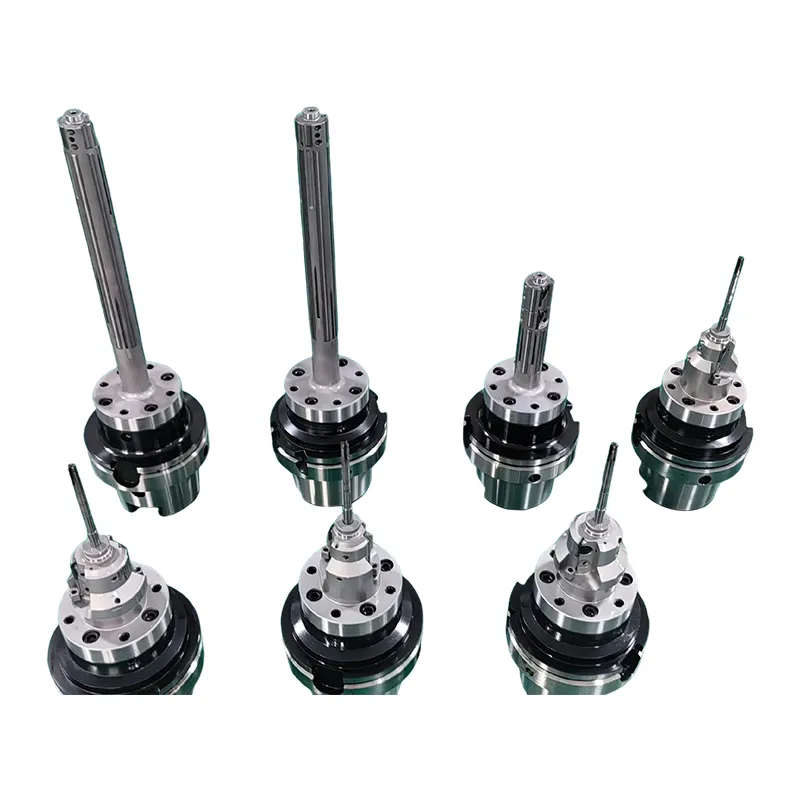
The precision and capabilities of a manufacturer determine the quality of the CNC Machined Prototypes. Factors such as the number of axes on the CNC machines, spindle speed, and the types of tooling available all contribute to accuracy and surface finish. Our factory operates multi-axis CNC machines capable of achieving tolerances within microns, ensuring that prototypes replicate the intended design exactly. Ningbo Wonderful Numerical Control Technology Co., Ltd. invests continuously in equipment upgrades to maintain competitive precision and speed.
Capabilities also extend to post-processing, such as deburring, polishing, and surface treatment. These steps are critical for prototypes that will be used for functional testing or client presentations. Our engineers often consult with clients to choose the proper finishing techniques to match end-use requirements, providing CNC Machined Prototypes that meet both functional and aesthetic standards.
What Role Does Tolerance and Precision Play in CNC Machined Prototypes?
Tolerance defines how closely the prototype dimensions match the design specifications. High-quality CNC Machined Prototypes require tight tolerances to ensure functional testing and fit with other components. Our team consistently measures and verifies critical dimensions throughout production. At Ningbo Wonderful Numerical Control Technology Co.,Ltd., we utilize CMM inspection tools and digital measurement systems to ensure that every prototype meets the specified tolerance range. Choosing a manufacturer with strict quality protocols reduces errors and accelerates development cycles.
The table below provides common tolerance levels for CNC Machined Prototypes and their typical applications, helping clients make informed decisions based on precision needs.
| Tolerance Range | Application | Suitable Materials | Notes |
| ±0.01 mm | High-precision functional prototypes | Aluminum, Stainless Steel | Critical for assemblies and moving parts |
| ±0.05 mm | Standard industrial prototypes | Aluminum, ABS, Nylon | Suitable for form and fit testing |
| ±0.1 mm | Concept and design validation | Plastics, Soft Metals | Used for visual and ergonomic prototypes |
How Important Is Communication and Technical Support When Choosing a CNC Prototype Manufacturer?
Effective communication ensures that design intent is understood and accurately translated into the prototype. Our engineers work closely with clients to clarify tolerances, surface finishes, and functional requirements. Our factory emphasizes clear technical documentation, design reviews, and regular updates throughout production. This collaborative approach minimizes errors and accelerates project timelines. CNC Machined Prototypes produced under such supervision often require fewer iterations, saving both time and cost.
Technical support also includes advice on material selection, manufacturing processes, and finishing techniques. Our team provides guidance to optimize prototypes for testing or small-scale production. Clients frequently rely on our expertise to make design adjustments that enhance functionality without compromising manufacturability.
Which Post-Processing and Surface Treatments Enhance CNC Prototype Quality?
Post-processing is vital for achieving the desired aesthetic and functional properties. Processes such as anodizing, powder coating, polishing, and deburring improve surface quality, durability, and performance under stress. At our factory, we ensure that CNC Machined Prototypes receive the appropriate finishing treatments based on the application. Selecting a manufacturer capable of providing these services in-house reduces handling errors and ensures consistency.
Surface treatment also affects the prototype’s ability to simulate real-world use. For example, anodized aluminum provides both corrosion resistance and a precise visual finish, making it suitable for functional and presentation prototypes. Our engineers guide clients in choosing surface treatments that balance durability, cost, and performance.
How to Choose a CNC Prototype Manufacturer for High-Quality Results? Frequently Asked Questions
Q1: What factors should I consider to ensure precision in CNC Machined Prototypes?
Precision depends on machine capabilities, tooling quality, and process control. Evaluating the manufacturer’s equipment, tolerance adherence, and quality assurance practices ensures the prototypes replicate design specifications accurately.
Q2: How can I verify that the selected material will perform under intended testing conditions?
Reviewing material datasheets, discussing chemical or thermal exposure, and consulting with the manufacturer’s engineers helps confirm suitability. Our team provides guidance on material selection based on functional requirements and testing protocols.
Q3: Why is post-processing essential for prototype evaluation?
Post-processing affects surface finish, durability, and visual fidelity. Proper finishing techniques enhance realism, protect prototypes, and ensure functional testing aligns with end-use conditions, reducing the risk of design errors.
Conclusion
Selecting the right manufacturer for CNC Machined Prototypes requires careful consideration of materials, machine capabilities, tolerances, post-processing options, and technical support. Our engineers ensure that prototypes are not only dimensionally accurate but also durable and ready for functional evaluation. At our factory, we prioritize client collaboration to achieve high-quality results. For precise, reliable, and fully supported CNC-machined prototypes, contact our technical team today and let us help you accelerate your product development process.
Related News
- How Can a PCD Non Standard Forming Cutter Transform High-Precision Machining
- High-Performance Aluminum Alloys Continue to Evolve as Demand for Precision Aerospace Machining Grows
- How Can CNC Blades Improve Machining Accuracy and Tool Life?
- What Makes CNC Machined Prototypes for Automotive Parts Worth Choosing Before Production?
- How Can Non-standard Custom Tools Solve Real Machining Problems Better Than Standard Tools?
- How Can Drilling Tools Improve Precision, Stability, and Cost Control in Modern Machining?
Leave me a message