How to Choose the Right Milling Tools for CNC Machining Projects
Milling tools play a decisive role in CNC machining, directly influencing accuracy, surface finish, productivity, and overall manufacturing cost. In this in-depth guide, I explain how to choose the right milling tools for different CNC machining projects. Drawing on real-world machining practices and industry standards, this article explores tool types, materials, coatings, selection criteria, and common mistakes to avoid. Whether you are a production engineer, purchasing manager, or machining professional, this guide will help you make informed decisions that improve efficiency and long-term performance.
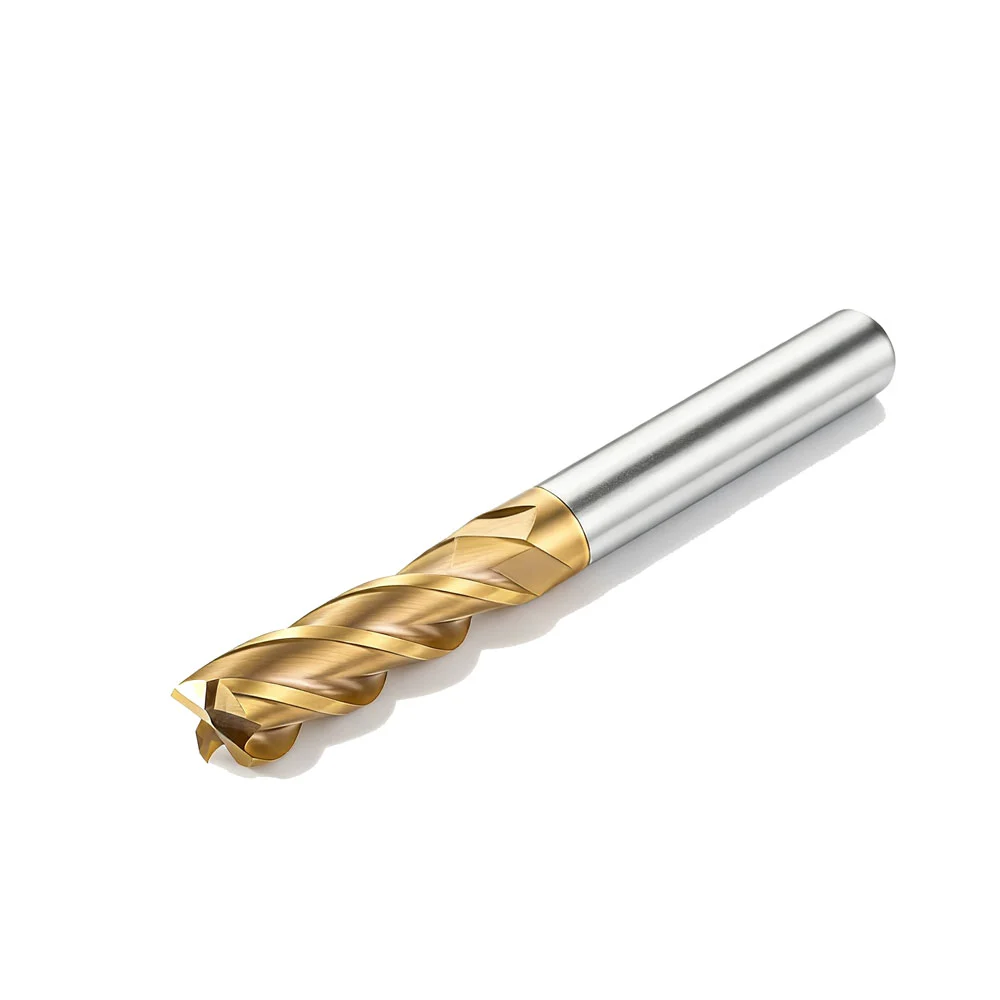
Table of Contents
- What Are Milling Tools and Why Are They So Important?
- What Are the Main Types of Milling Tools?
- Which Materials Are Milling Tools Designed to Cut?
- How Do Tool Materials and Coatings Impact Performance?
- How to Choose the Right Milling Tools for CNC Machining?
- What Common Mistakes Should Be Avoided When Selecting Milling Tools?
- Why Working with an Experienced Supplier Like WDF Matters?
- Frequently Asked Questions About Milling Tools
What Are Milling Tools and Why Are They So Important?
Milling tools are cutting tools used in milling machines and CNC machining centers to remove material from a workpiece. By rotating at high speed and engaging the material with multiple cutting edges, milling tools can create complex shapes, slots, pockets, and surfaces with high precision.
In my experience, the choice of milling tools often determines whether a machining project succeeds or fails. Even the most advanced CNC machine cannot compensate for poorly selected or low-quality milling tools. Tool rigidity, geometry, and wear resistance all directly influence dimensional accuracy and consistency.
For industries such as aerospace, automotive, medical, and precision manufacturing, milling tools are not just consumables—they are strategic assets that define production capability and competitiveness.
What Are the Main Types of Milling Tools?
There is a wide range of milling tools, each designed for specific operations. Understanding these categories is the first step in making the right choice.
| Type of Milling Tool | Main Application | Key Advantages |
|---|---|---|
| End Mills | Slotting, profiling, pocketing | Versatile, available in many geometries |
| Face Mills | Surface finishing | High material removal rate |
| Ball Nose Mills | 3D contouring | Excellent surface finish on complex shapes |
| Roughing Mills | Heavy material removal | Reduced cutting forces, longer tool life |
| Chamfer Mills | Edge finishing | Improved aesthetics and safety |
Each of these milling tools has unique cutting characteristics. Selecting the wrong type often leads to chatter, excessive tool wear, or poor surface quality.
Which Materials Are Milling Tools Designed to Cut?
Milling tools are engineered to machine a wide range of materials, from soft plastics to hardened steels. The workpiece material strongly influences tool geometry, coating, and cutting parameters.
- Aluminum and aluminum alloys
- Carbon steel and alloy steel
- Stainless steel
- Titanium alloys
- Brass and copper
- Engineering plastics
For example, aluminum machining requires sharp cutting edges and high helix angles, while stainless steel demands tougher milling tools with wear-resistant coatings. Matching the milling tools to the material is essential for stable and efficient machining.
How Do Tool Materials and Coatings Impact Performance?
Modern milling tools are made from advanced materials such as high-speed steel (HSS), solid carbide, and indexable inserts. Among these, solid carbide milling tools dominate CNC machining due to their hardness, rigidity, and heat resistance.
Coatings further enhance tool performance. Popular coatings include:
- TiN (Titanium Nitride) – general-purpose wear resistance
- TiAlN (Titanium Aluminum Nitride) – high-temperature stability
- AlCrN – excellent for hard materials
In practical machining, the right combination of tool substrate and coating can extend tool life significantly, reduce downtime, and improve overall productivity.
How to Choose the Right Milling Tools for CNC Machining?
Choosing the right milling tools requires balancing multiple factors rather than focusing on price alone. Based on industry best practices and my own experience, here are the key criteria:
- Workpiece material and hardness
- Machine rigidity and spindle speed
- Required surface finish
- Tool life expectations
- Production volume
I always recommend reviewing detailed technical guidance from reliable manufacturers. For reference, you can explore professional insights on milling tools to better understand specifications and real-world applications.
What Common Mistakes Should Be Avoided When Selecting Milling Tools?
One of the most common mistakes is selecting milling tools based solely on cost. Cheaper tools often result in higher long-term expenses due to frequent replacement and inconsistent machining quality.
Other frequent issues include:
- Ignoring cutting parameters recommended by the manufacturer
- Using the same tool for different materials without adjustment
- Overlooking tool holder compatibility
Avoiding these mistakes can dramatically improve machining stability and efficiency.
Why Working with an Experienced Supplier Like WDF Matters?
Selecting milling tools is not just about the product—it is also about the expertise behind it. WDF combines technical knowledge with practical machining experience to support customers across a wide range of industries.
From tool selection to application advice, working with a knowledgeable partner helps reduce trial-and-error, shorten production cycles, and improve overall results. This level of support is especially valuable for complex CNC machining projects.
Frequently Asked Questions About Milling Tools
What are milling tools mainly used for?
Milling tools are used to remove material and create precise shapes, slots, and surfaces in CNC machining and conventional milling operations.
How often should milling tools be replaced?
Tool life depends on material, cutting conditions, and tool quality. Proper selection and maintenance can significantly extend replacement intervals.
Are coated milling tools always better?
Not always. While coatings improve wear resistance, the coating must match the application and workpiece material to be effective.
Can one milling tool handle multiple materials?
Some general-purpose milling tools can machine different materials, but optimal performance usually requires material-specific tools.
Choosing the right milling tools is a strategic decision that directly impacts machining quality, efficiency, and cost control. By understanding tool types, materials, coatings, and application requirements, manufacturers can achieve consistent and reliable results.
If you are looking for professional guidance and high-quality solutions tailored to your CNC machining needs, WDF is ready to support your projects. Contact us today to discuss your requirements and discover how the right milling tools can elevate your manufacturing performance.
Related News
- How Can a PCD Non Standard Forming Cutter Transform High-Precision Machining
- High-Performance Aluminum Alloys Continue to Evolve as Demand for Precision Aerospace Machining Grows
- How Can CNC Blades Improve Machining Accuracy and Tool Life?
- What Makes CNC Machined Prototypes for Automotive Parts Worth Choosing Before Production?
- How Can Non-standard Custom Tools Solve Real Machining Problems Better Than Standard Tools?
- How Can Drilling Tools Improve Precision, Stability, and Cost Control in Modern Machining?
Leave me a message