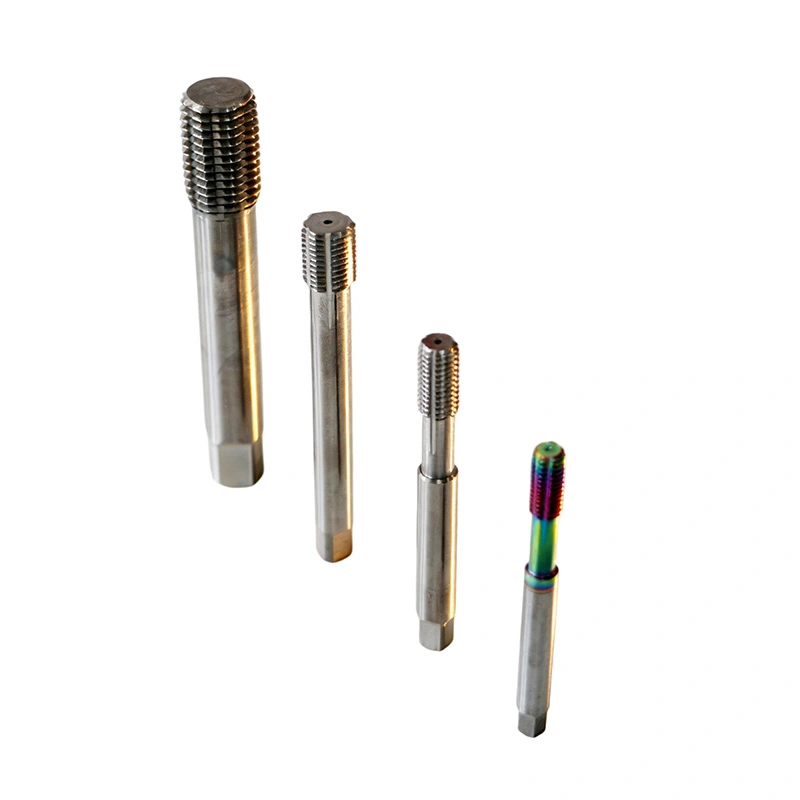
Carbide Milling Tools for CNC Metalworking
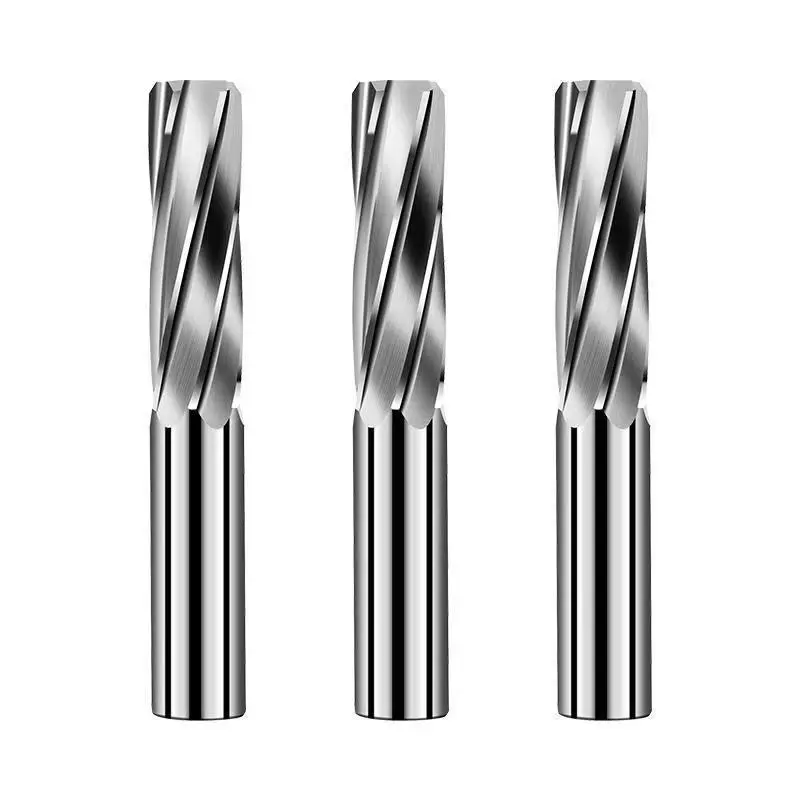
A Milling Tools are a cutting tool mounted on a machining center or milling machine that rotates to cut away the surface layer of material from a workpiece. While rotating, it can also move precisely in all directions, using this motion to perform its work. This tool is incredibly important in factories; it can do almost anything—whether it's cutting a simple groove, digging a hole, or creating complex, winding shapes. It's also undemanding, handling aluminum, steel, composite materials, and plastics. Its specialty is producing parts with extremely precise dimensions and smooth surfaces. Therefore, whether it's aircraft manufacturing, automobile production, mold making, or general engineering, no industry can function without it.
Milling Tools Types
Milling Tools come in many varieties and can be classified according to design, application, and cutting method.
End Mills: This is the most commonly used type of Milling Tools. The cutting edge is located both at the tip and on the side. It's used for cutting into material, grooving, contouring, and profile machining.
Face Mills: Primarily used for machining large flat surfaces. It uses indexable inserts mounted on the cutter body, achieving a high material removal rate.
Shell Mills: Similar to face mills, but generally with a larger diameter, specifically designed for heavy-duty end-face machining.
Ball End Mills: With a hemispherical tip, they are particularly suitable for 3D contour machining, engraving, and machining complex curved surfaces.
Square End Mills: With a sharp 90-degree angle at the tip, they are suitable for machining square shoulders, grooves, and slots.
Rounded End Mills: Between square and ball end mills, their rounded corner design increases tool strength and reduces chipping.
Roughing cutter: The cutting teeth have a serrated design, breaking the chips into smaller pieces, allowing for heavy-duty cutting even with a high feed rate.
Slot cutter: Generally double-edged, it cuts directly into the material like a drill bit.
T-slot cutter: A tool specifically designed to machine T-slots, which are primarily used for clamping workpieces.
Thread cutter: A tool used to machine internal or external threads.


- View as

Flat End Mill
WDF specializes in Flat End Mills, with long-term expertise in precision tool manufacturing and application. Ningbo Wangdefu Precision Machinery Co., Ltd. is supported by an experienced technical and service team and implements strict quality control throughout the production process to ensure stable performance and high accuracy. Our milling cutters deliver excellent precision and surface finish, helping automotive parts manufacturers complete complex and high-end machining tasks efficiently. As a reliable China manufacturer, we are committed to building long-term partnerships with global customers.

CNC Milling Non-Standard Cutter Head
In the fields of precision machining and high-end manufacturing, efficiency, accuracy, and tool compatibility are the most important concerns for buyers. As a leading supplier in China, Wangdefu focuses on providing high-performance CNC milling non-standard cutter heads to meet the machining needs of various complex parts.

Carbide End Mills
Wangdefu offers high-performance Carbide End Mills designed for end-face, groove and profile machining of aluminum alloys, steels, stainless steels and composites. Our tools have high precision, wear resistance, high efficiency, support customized design, ensure stable processing of parts, smooth surface, consistent batch.
As a leading Factory in China, we provide one-stop solutions: selection, process optimization, installation guidance and after-sales technical support to make your production more efficient, reliable and less risky.
As a leading Factory in China, we provide one-stop solutions: selection, process optimization, installation guidance and after-sales technical support to make your production more efficient, reliable and less risky.
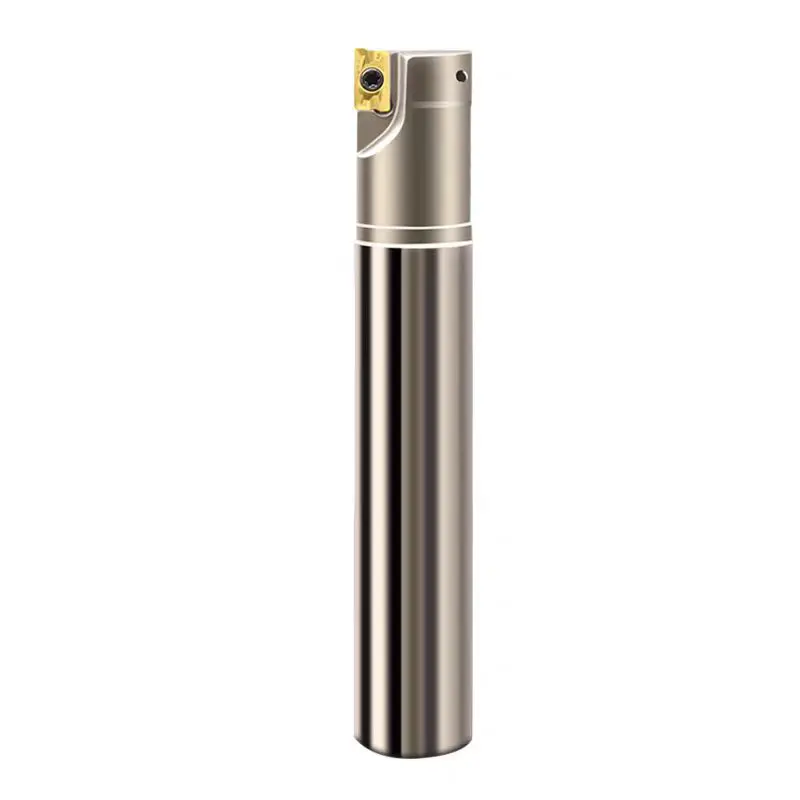
Square Shoulder End Mill
Square Shoulder End Mills from Wangdefu deliver stable, efficient, and durable solutions for high-precision machining of aluminum alloys, steel, stainless steel, and composites. As a professional China manufacturer and supplier, we provide customized tools and full-process technical support, ensuring one-time molding, high efficiency, and excellent machining accuracy for mass production.

Right-Angle Plane Milling Cutter
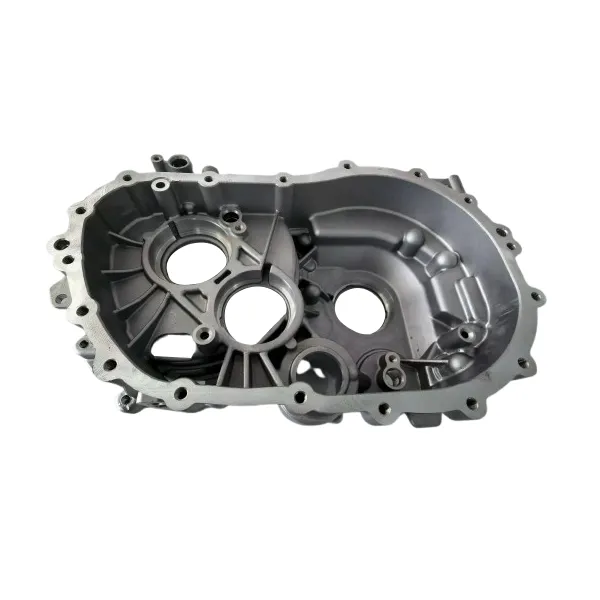
Our Right-Angle Plane Milling Cutter is a high-performance tool designed for high-precision milling, face machining, and planar cutting. It is widely used in automotive parts, new energy motor housings, aerospace components, and robot structural parts.
As a professional manufacturer in China, Wangdefu not only provides cutting tools but also complete machining solutions, from tool selection and parameter recommendations to installation guidance and after-sales service, helping customers achieve high-efficiency, high-precision, and low-cost machining.
As a professional manufacturer in China, Wangdefu not only provides cutting tools but also complete machining solutions, from tool selection and parameter recommendations to installation guidance and after-sales service, helping customers achieve high-efficiency, high-precision, and low-cost machining.

PCD Corn End Mill
PCD Corn End Mills from Wangdefu are not just standard catalogue tools, but mature solutions repeatedly tested and optimized through long-term processing of aluminum alloys, new energy motor shells, and structural parts in our own China factory. As a professional manufacturer and supplier, Wangdefu delivers reliable, high-performance tools for mass production, with real expertise in landing practical machining solutions.
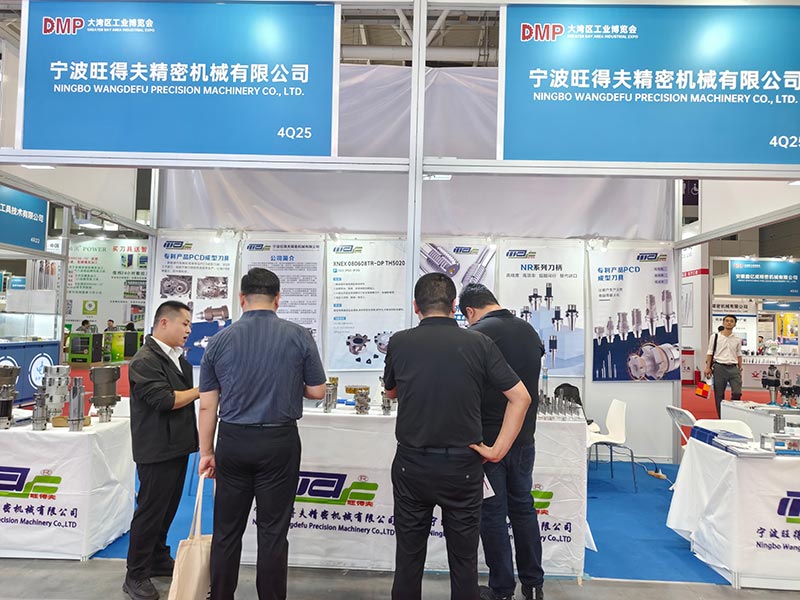
As a reliable Milling Tools manufacturer and supplier in China, we have our own factory. If you want to buy high-quality CNC products, please contact us.