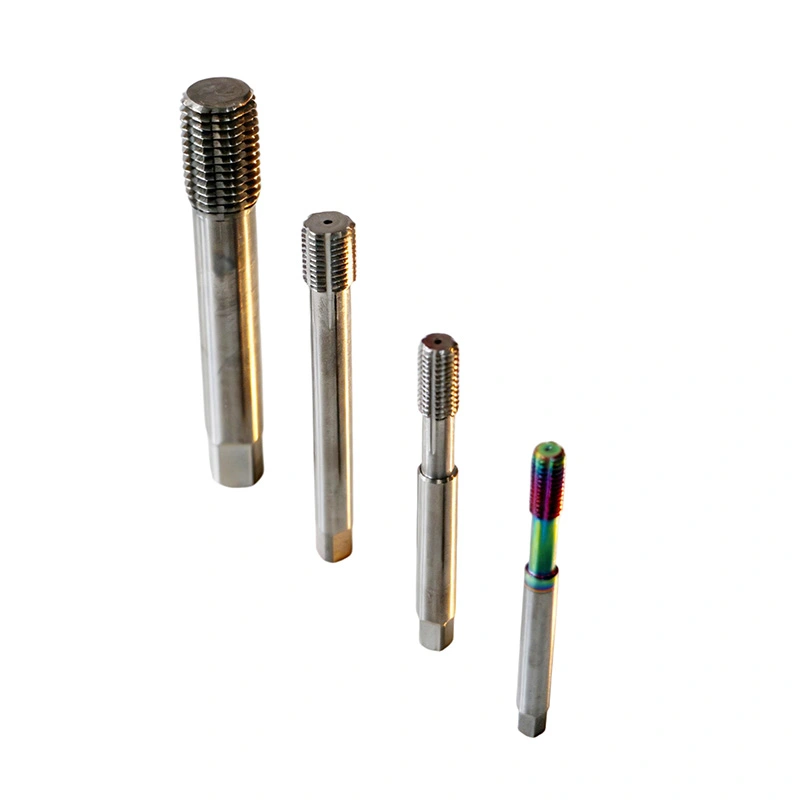
How Can Non-standard Custom Tools Solve Real Machining Problems Better Than Standard Tools?
Article Summary
When a standard tool cannot reach the geometry you need, hold tolerance consistently, or keep cycle time under control, production starts to feel more expensive than it should. This is where Non-standard Custom Tools become a practical answer rather than a special request. In this article, I explain why custom tooling matters, what problems it solves in real production settings, what information buyers should prepare before placing an order, and how a skilled manufacturer can turn a difficult process into a stable and repeatable one. I also show how Ningbo Wangdefu Precision Machinery Co.Ltd. can fit into that conversation for manufacturers that want precision, efficiency, and dependable support instead of trial-and-error tooling decisions.
Table of Contents
- Outline
- Why do standard tools stop working in complex machining?
- What makes Non-standard Custom Tools worth considering?
- How do custom tools reduce production pressure?
- Which industries benefit most from custom tooling?
- What should buyers prepare before ordering?
- How should you evaluate a custom tool supplier?
- What mistakes should you avoid during customization?
- FAQ
- Why is the right custom tool often the cheaper choice in the long run?
Outline
- The limits of off-the-shelf tooling in demanding applications
- The practical value of Non-standard Custom Tools
- How custom tooling improves consistency, output, and cost control
- Typical applications across precision manufacturing sectors
- What drawings, materials, and process details buyers should share
- How to choose a capable and reliable manufacturing partner
- Common ordering mistakes and how to prevent them
- Frequently asked buyer questions
Why do standard tools stop working in complex machining?
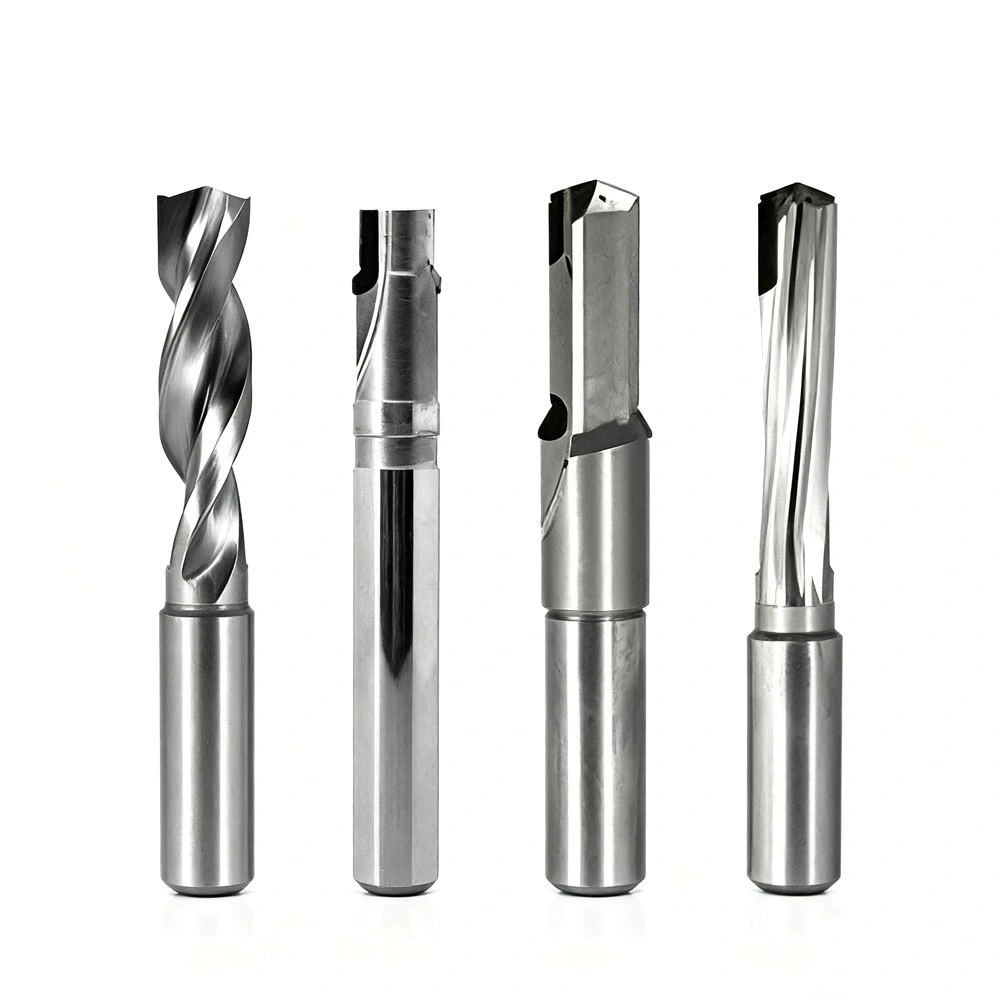
I have seen many purchasing and engineering teams start with a standard tool simply because it is easier to source and quicker to compare. That approach works well until the part design becomes more demanding. A narrow groove, a compound angle, a difficult material, a deep cavity, or a surface finish requirement can quickly push an ordinary tool beyond its comfort zone.
The pain point is not just that the tool “doesn’t work.” The real issue is that it works inconsistently. One batch may pass, while the next batch requires rework. One operator may manage the process, while another burns through tool life too quickly. When that happens, the cost shows up everywhere: scrap, downtime, extra setups, unstable quality, and unnecessary pressure on delivery schedules.
In other words, standard tools often fail not because they are bad products, but because they were never designed around your exact part, material, machine conditions, or output target.
That is the moment when Non-standard Custom Tools stop being an optional upgrade and start becoming a process necessity.
What makes Non-standard Custom Tools worth considering?
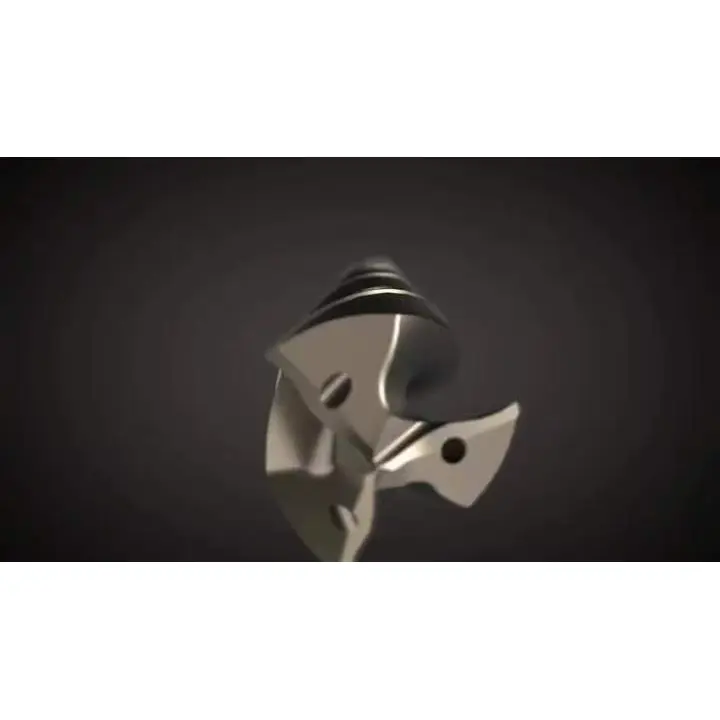
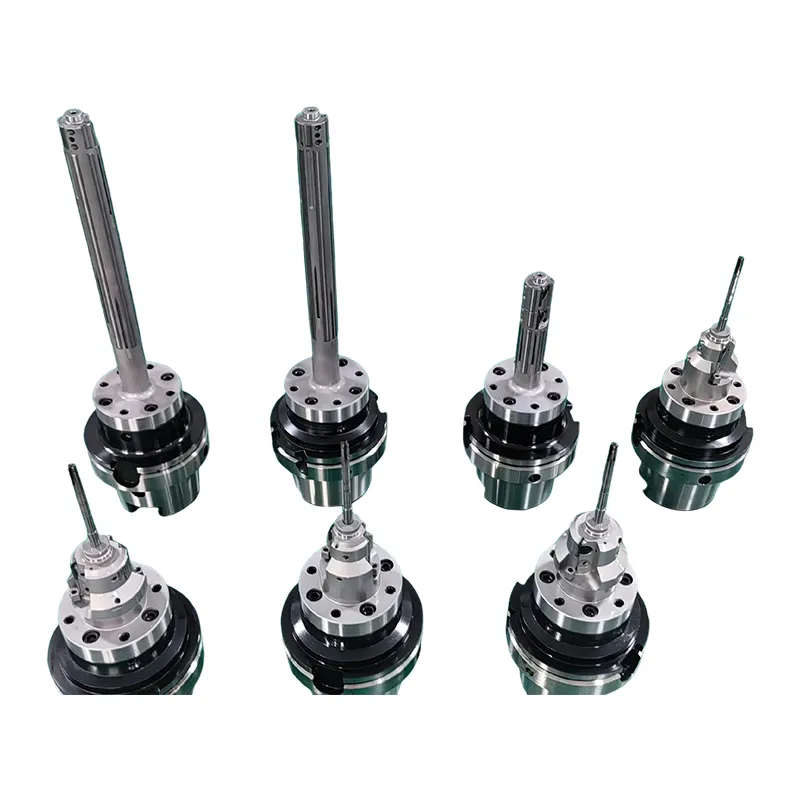
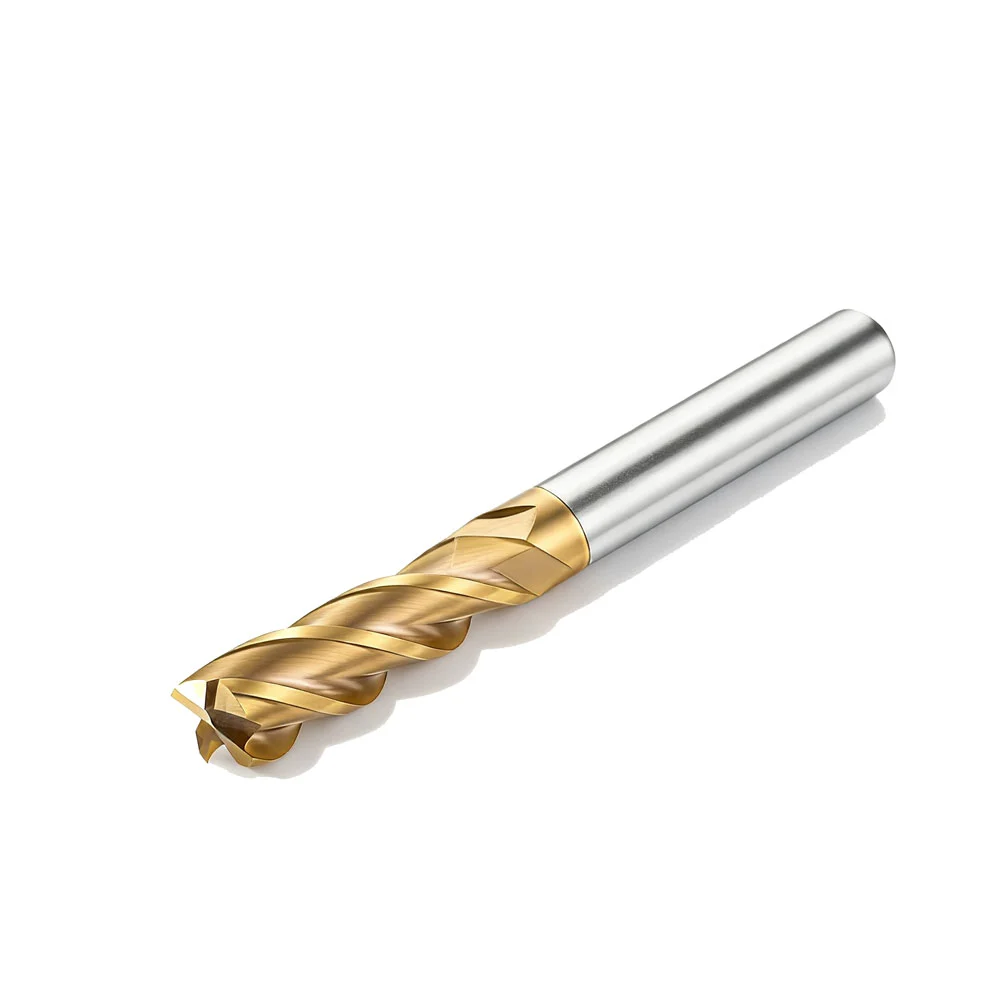
The biggest advantage of Non-standard Custom Tools is simple: they are built around the actual job instead of forcing the job to adapt to the tool. A custom tool can be designed around your workpiece geometry, spindle capability, cutting path, material characteristics, tolerance demands, and finish expectations.
That changes the conversation from “Which catalog item is closest?” to “What tool design will actually make this process stable?”
| Issue in Production | What Happens with Standard Tools | How Custom Tools Help |
|---|---|---|
| Special part geometry | Requires multiple tools or extra operations | Can combine functions or match the required profile directly |
| Tight tolerance control | Adjustment becomes frequent and operator-dependent | Improves repeatability and reduces process variation |
| Difficult materials | Tool wear increases and surface quality becomes unstable | Geometry and material selection can be tuned for the application |
| Cycle time pressure | More passes and more tool changes are needed | Supports faster processing and fewer interruptions |
| High-volume production | Minor inefficiencies become expensive over time | Delivers long-term cost control through process optimization |
For many buyers, the hidden value is not only in cutting performance. It is in reducing uncertainty. A tool designed specifically for the application often makes scheduling easier, operator training simpler, and quality management less stressful.
How do custom tools reduce production pressure?
Most buyers are not chasing customization for the sake of novelty. They want fewer headaches. A well-designed custom tool can relieve pressure in several ways:
- Fewer process steps: One tool may complete work that would otherwise require several tools.
- Lower scrap risk: Better fit between tool and task improves dimensional consistency.
- Less downtime: Fewer tool changes and less troubleshooting help keep machines running.
- Longer tool life: The right geometry and tool material can improve wear resistance in the target application.
- More predictable output: Stable results support better planning and delivery control.
From a buyer’s perspective, this matters because the true cost of tooling is never just the purchase price. It includes machine time, rejected parts, labor, delivery risk, and how much process instability your team has to absorb every week.
That is why many experienced manufacturers eventually move toward Non-standard Custom Tools when they realize a standard option keeps generating repeated process compromises.
Which industries benefit most from custom tooling?
Any sector that relies on precision, repeatability, and complex geometries can benefit from custom tooling, but some industries feel the need more strongly than others.
| Industry | Typical Need | Why Custom Tooling Matters |
|---|---|---|
| Automotive | High-volume precision machining | Supports repeatability, cycle time reduction, and tool-life consistency |
| Aerospace | Complex geometries and demanding materials | Improves control in critical, high-value applications |
| Medical Equipment | Precision surfaces and tight dimensional requirements | Helps achieve reliable part quality and cleaner finishing |
| 3C Electronics | Fine features and efficient processing | Supports detail machining without sacrificing throughput |
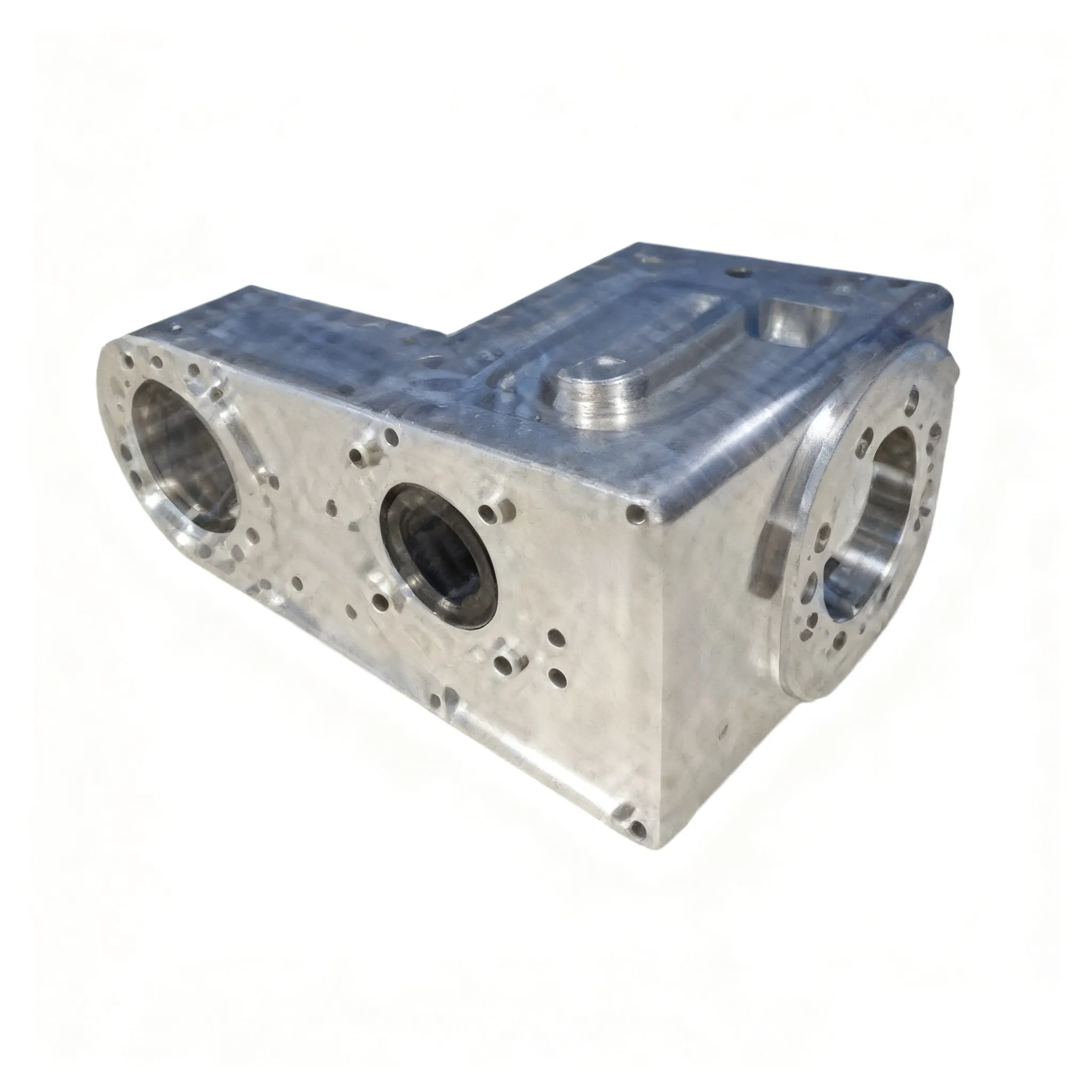
| General Precision Manufacturing | Special profiles and non-standard operations | Allows factories to solve difficult applications without forcing process compromises |
A capable partner such as Ningbo Wangdefu Precision Machinery Co.Ltd. becomes valuable here because buyers in these industries do not merely need a drawing turned into a product. They need a manufacturer that understands how tooling performance affects the entire machining chain.
What should buyers prepare before ordering?
One of the most common frustrations in custom tooling projects is delay caused by incomplete information. If you want the tool design to move smoothly and the final result to match production needs, the more complete your process data is, the better.
Before ordering Non-standard Custom Tools, I would strongly recommend preparing the following:
- Part drawings: Clear dimensions, tolerances, and key geometry details
- Material information: What material is being machined, including hardness or special characteristics
- Machine conditions: Spindle type, machine model, holder compatibility, coolant conditions, and speed limits
- Processing goals: Surface finish expectations, cycle time goals, tolerance targets, and production volume
- Current pain points: Chipping, vibration, poor finish, short tool life, burrs, excessive heat, or repeated rework
- Samples if available: Existing tools or workpieces can help refine the design faster
The most useful custom tooling discussions happen when the buyer explains not only what tool is needed, but also what keeps going wrong in the current process.
That kind of practical information gives the supplier a much better chance of improving the application instead of simply copying an existing design.
How should you evaluate a custom tool supplier?
Not every supplier that accepts custom orders is equally prepared to solve a real machining problem. Some can manufacture to print. Fewer can help optimize performance. Buyers should look beyond a basic quotation and ask whether the supplier can support the full process from design discussion to production follow-through.
When I evaluate a custom tooling partner, I focus on these points:
- Technical communication: Do they ask smart questions about the actual machining application?
- Manufacturing capability: Can they control the precision, consistency, and finish required?
- Material and geometry understanding: Do they understand how tool design interacts with workpiece material and machine conditions?
- Customization experience: Have they handled demanding sectors or complex geometries before?
- Responsiveness: Can they move quickly when production deadlines are tight?
- Problem-solving mindset: Are they trying to sell a tool, or are they trying to improve your process?
A company like Ningbo Wangdefu Precision Machinery Co.Ltd. becomes more convincing when it can demonstrate that it is not just making tools, but supporting manufacturers that need precision solutions for complex operations.
What mistakes should you avoid during customization?
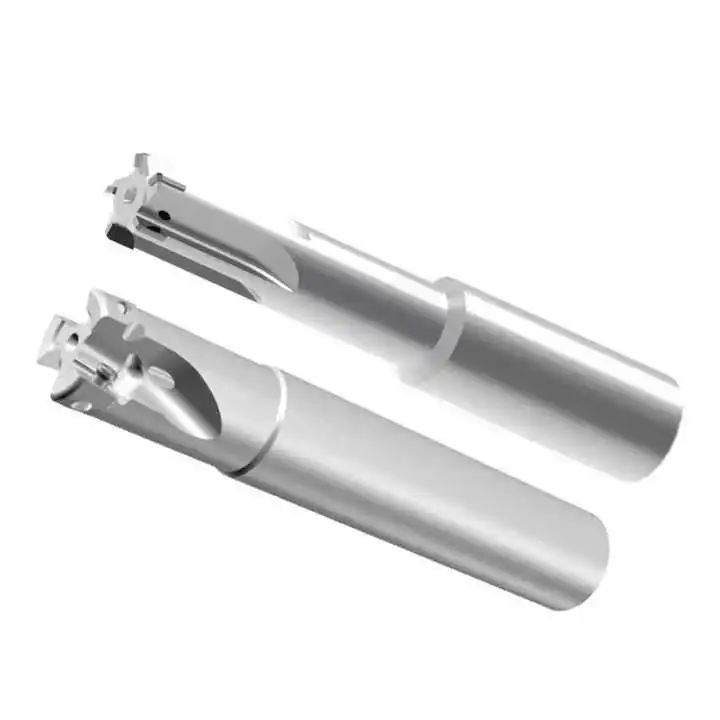
Even a strong custom tooling project can lose momentum if the early decisions are rushed. Here are the mistakes I would avoid:
- Choosing only by unit price: A cheaper tool may create more cost in downtime, scrap, or unstable output.
- Providing incomplete drawings: Missing tolerance or geometry details can lead to redesign or performance issues.
- Ignoring machine conditions: The best tool on paper may underperform if machine limits are not considered.
- Failing to describe the real pain point: If the supplier does not know what is going wrong, the design may not solve it.
- Treating customization as a one-time transaction: The best results often come from feedback and ongoing refinement.
In practical terms, successful customization is a collaboration. The buyer knows the production challenge. The supplier knows how to translate that challenge into geometry, material choice, and manufacturing execution.
FAQ
What are Non-standard Custom Tools usually used for?
They are typically used when a standard catalog tool cannot deliver the required geometry, finish, tolerance, or efficiency for a specific machining operation.
Are custom tools only suitable for large production volumes?
No. They are often especially valuable in high-volume work, but they can also make sense for difficult low-volume parts where precision and reliability matter more than off-the-shelf convenience.
Do custom tools always cost more?
Their purchase price may be higher, but the total process cost can be lower when they reduce scrap, shorten cycle time, or improve tool life.
How long does a custom tooling project usually take?
Timing depends on complexity, communication speed, and manufacturing requirements. Clear drawings and complete process details usually help shorten development time significantly.
What is the most important thing to share with the supplier?
The most important thing is the real machining challenge. Drawings are essential, but the production pain point often determines whether the final tool design truly solves the problem.
Why is the right custom tool often the cheaper choice in the long run?
Buyers often hesitate at the word “custom” because it sounds like extra cost, extra time, and extra complexity. But in machining, the more expensive choice is often the one that keeps an inefficient process alive. If your team is already fighting tolerance drift, unstable finishes, repeated tool changes, or slow cycle times, continuing with the wrong tool may be the real premium option.
Non-standard Custom Tools are valuable because they turn production from compromise into control. They can simplify difficult operations, improve consistency, and help manufacturers protect both quality and delivery performance. That is exactly why more serious buyers treat tooling not as a small consumable decision, but as a strategic part of process design.
If you are looking for a practical partner that understands the real demands behind custom machining applications, Ningbo Wangdefu Precision Machinery Co.Ltd. is worth serious consideration.
Need a tooling solution that matches your actual production challenge instead of forcing your process to adapt?
Share your drawings, material details, machining conditions, and performance goals with Ningbo Wangdefu Precision Machinery Co.Ltd.. Whether you are trying to improve accuracy, reduce cycle time, or solve a difficult profile issue, the right custom design can make a measurable difference. Contact us today to discuss your project and get a more dependable path from machining problem to production-ready solution.
Related News
- How Can a PCD Non Standard Forming Cutter Transform High-Precision Machining
- High-Performance Aluminum Alloys Continue to Evolve as Demand for Precision Aerospace Machining Grows
- How Can CNC Blades Improve Machining Accuracy and Tool Life?
- What Makes CNC Machined Prototypes for Automotive Parts Worth Choosing Before Production?
- How Can Drilling Tools Improve Precision, Stability, and Cost Control in Modern Machining?
- How Do CNC Tool Holders Affect Real Machining Results?
Leave me a message