Straight Flute Reamer: What Is It, How Does It Work, and When Should You Use It
A Straight Flute Reamer is a critical precision cutting tool used to finish pre-drilled holes to tight dimensional tolerances and superior surface quality. Unlike spiral reamers, straight flute reamers feature linear cutting edges, making them ideal for stable, non-interrupted cutting—especially in rigid machining environments.
This in-depth guide explains what a straight flute reamer is, how it works, when to use it, how it compares to other reamer types, and how manufacturers like WDF design high-performance reamers for industrial applications. Whether you are a CNC machinist, manufacturing engineer, or procurement specialist, this article will help you make informed tooling decisions.
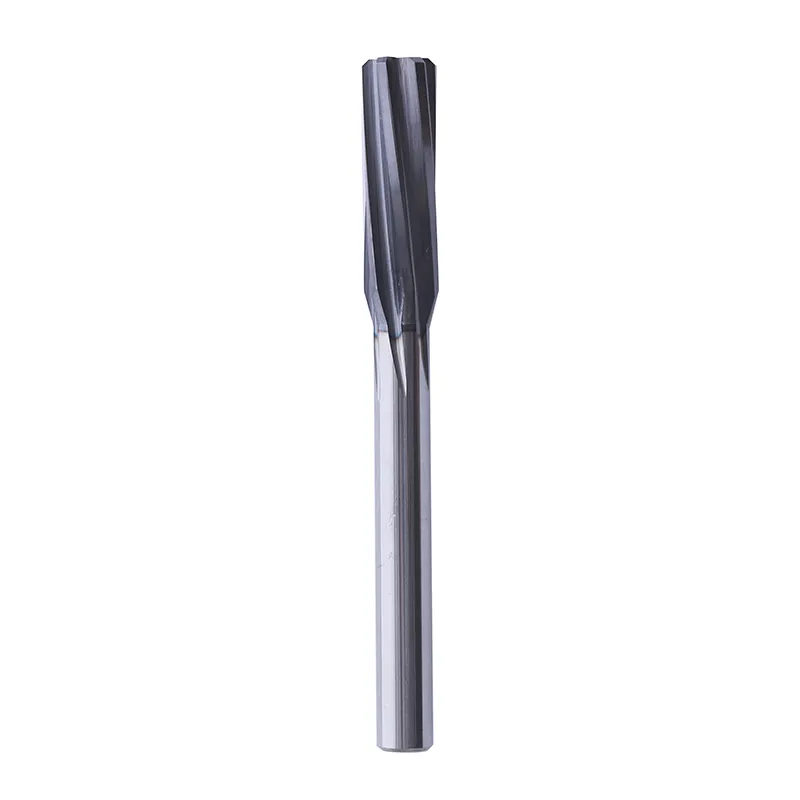
Table of Contents
- What Is a Straight Flute Reamer?
- How Does a Straight Flute Reamer Work?
- Key Features and Design Characteristics
- Materials Suitable for Straight Flute Reamers
- Straight Flute Reamer vs Other Reamer Types
- Common Industrial Applications
- How to Choose the Right Straight Flute Reamer
- Best Practices for Using Straight Flute Reamers
- Why Choose WDF Straight Flute Reamers?
- Frequently Asked Questions (FAQ)
1. What Is a Straight Flute Reamer?
A straight flute reamer is a multi-edge cutting tool designed to enlarge and finish existing holes with high precision. Unlike twist drills, reamers remove only a small amount of material—typically 0.1–0.3 mm— to achieve tight dimensional control and smooth surface finishes.
The defining characteristic of a straight flute reamer is its straight cutting edges that run parallel to the tool axis. This geometry provides excellent rigidity and ensures consistent cutting action, especially in materials that do not produce long, continuous chips.
2. How Does a Straight Flute Reamer Work?
Straight flute reamers operate after a hole has been drilled or bored slightly undersize. The reamer follows the existing hole path and removes a thin layer of material from the hole wall.
Working Principle
- The tool is aligned concentrically with the pre-drilled hole
- Multiple straight cutting edges engage the hole surface simultaneously
- Material is evenly removed to achieve final diameter and tolerance
- The result is improved roundness, straightness, and surface finish
Because chips are not actively evacuated along a helix, straight flute reamers are best suited for through-holes or shallow blind holes where chip packing is not a concern.
3. Key Features and Design Characteristics
| Feature | Description |
|---|---|
| Straight Flutes | Provide excellent rigidity and consistent cutting action |
| Multiple Cutting Edges | Ensure smooth material removal and high accuracy |
| High-Precision Diameter | Manufactured to tight tolerances for precision machining |
| Tool Materials | HSS, HSS-Co, Carbide options available |
| Surface Coatings | TiN, TiAlN, or uncoated depending on application |
4. Materials Suitable for Straight Flute Reamers
Straight flute reamers are ideal for materials that produce short or brittle chips. They are commonly used on:
- Cast iron
- Brass and bronze
- Aluminum alloys
- Plastics and composites
- Free-cutting steels
In these materials, straight flute geometry minimizes vibration and ensures excellent surface finish.
5. Straight Flute Reamer vs Other Reamer Types
| Reamer Type | Best Use Case | Chip Evacuation |
|---|---|---|
| Straight Flute Reamer | Rigid setups, short-chip materials | Limited |
| Spiral Flute Reamer | Blind holes, long-chip materials | Excellent |
| Hand Reamer | Manual operations | Moderate |
6. Common Industrial Applications
Straight flute reamers are widely used in industries requiring tight tolerances:
- Automotive engine components
- Aerospace structural parts
- Hydraulic and pneumatic systems
- Precision molds and dies
- General CNC machining operations
7. How to Choose the Right Straight Flute Reamer
When selecting a straight flute reamer, consider the following factors:
- Hole diameter and tolerance requirements
- Workpiece material
- Machine rigidity and spindle speed
- Tool material (HSS vs Carbide)
- Coating requirements
8. Best Practices for Using Straight Flute Reamers
- Always pre-drill the hole to the correct size
- Use proper cutting fluid for lubrication and cooling
- Maintain stable feed rates to avoid chatter
- Avoid reversing the reamer while inside the hole
- Inspect tools regularly for wear
9. Why Choose WDF Straight Flute Reamers?
WDF specializes in manufacturing high-precision straight flute reamers designed for consistent performance and long tool life. With advanced CNC grinding, strict quality control, and customizable solutions, WDF reamers meet the demanding requirements of modern manufacturing.
Whether you need standard sizes or custom-engineered tools, WDF provides reliable solutions for precision hole finishing.
10. Frequently Asked Questions (FAQ)
Q1: Can straight flute reamers be used on CNC machines?
Yes, they are widely used in CNC machining when proper alignment and rigidity are ensured.
Q2: What tolerance can a straight flute reamer achieve?
Typically IT6–IT7, depending on tool quality and machining conditions.
Q3: Are straight flute reamers suitable for blind holes?
They can be used for shallow blind holes, but spiral flute reamers are usually preferred.
Q4: How long does a straight flute reamer last?
Tool life depends on material, speed, feed, and coating, but high-quality reamers offer long service life.
Conclusion
A straight flute reamer is an indispensable tool for achieving precision, consistency, and superior surface finish in hole machining. By understanding its design, applications, and best practices, manufacturers can significantly improve product quality and efficiency.
If you are looking for reliable, high-performance straight flute reamers tailored to your machining needs, contact us today to learn how WDF can support your precision manufacturing goals.
Related News
- How Can a PCD Non Standard Forming Cutter Transform High-Precision Machining
- High-Performance Aluminum Alloys Continue to Evolve as Demand for Precision Aerospace Machining Grows
- How Can CNC Blades Improve Machining Accuracy and Tool Life?
- What Makes CNC Machined Prototypes for Automotive Parts Worth Choosing Before Production?
- How Can Non-standard Custom Tools Solve Real Machining Problems Better Than Standard Tools?
- How Can Drilling Tools Improve Precision, Stability, and Cost Control in Modern Machining?
Leave me a message