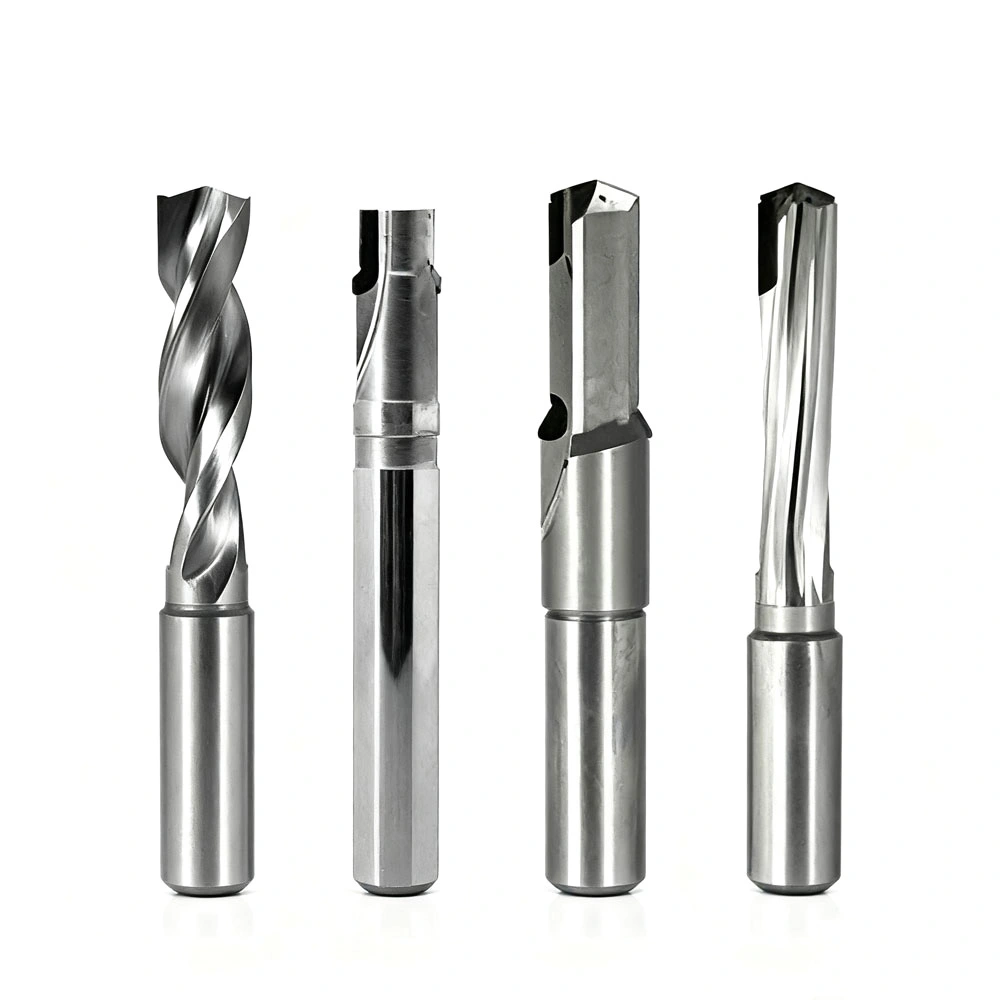
What Makes PCD Non Standard Reamers Essential for High-Tolerance Machining
Article Summary: This in-depth guide explores the world of PCD Non Standard Reamers, defining what they are, how they differ from standard reamers, their key benefits, industry applications, design considerations, and best practices for machining with them. Whether you’re an engineer, machinist, or procurement specialist, you’ll discover actionable insights on improving precision, efficiency, and ROI in holemaking and finishing operations.
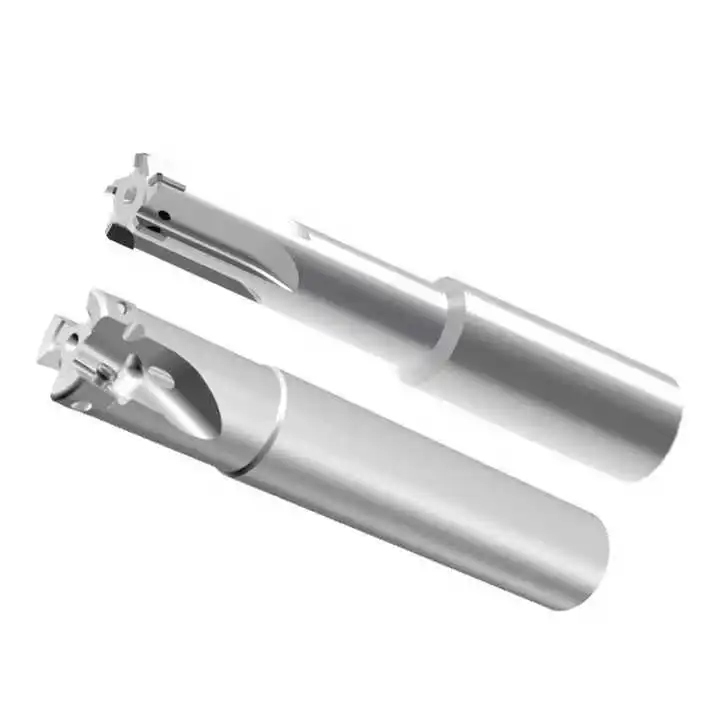
Table of Contents
- What Are PCD Non Standard Reamers?
- Why Choose PCD Over Standard Reamers?
- Key Features & Benefits
- Industry Applications
- Design & Customization Considerations
- Best Practices for Precision Machining
- Comparing PCD Reamers to Alternatives
- Frequently Asked Questions
What Are PCD Non Standard Reamers?
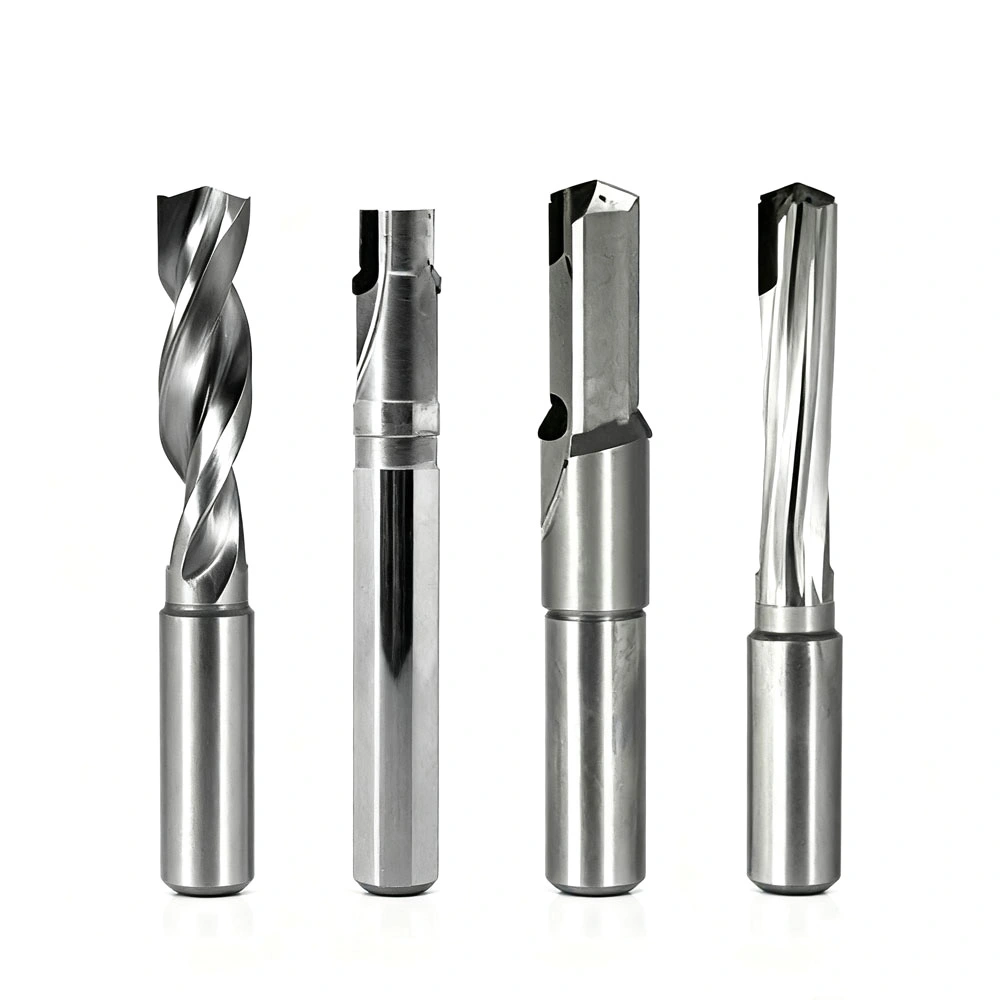
PCD (Polycrystalline Diamond) Non Standard Reamers are precision hole-finishing tools crafted with synthetic diamond cutting edges for machining demanding tolerances and complex hole geometries that standard reamers can’t achieve. Unlike typical carbide or HSS reamers, PCD tools offer superior wear resistance and surface finish quality on non-ferrous materials, composites, and aluminum alloys.
At companies like WDF, these tools are designed and manufactured to meet custom specifications for high-precision holemaking in sectors such as automotive, aerospace, and electronics.
Why Choose PCD Over Standard Reamers?
- Extended Tool Life: PCD cutting edges can last many times longer than carbide in non-ferrous machining.
- Bore Accuracy & Surface Quality: Achieves tighter dimensional control and smoother finishes.
- Stable Machining Performance: Improved repeatability and reduced secondary finishing.
- Higher Productivity: Reduced downtime thanks to fewer tool changes.
Key Features & Benefits
Core Features
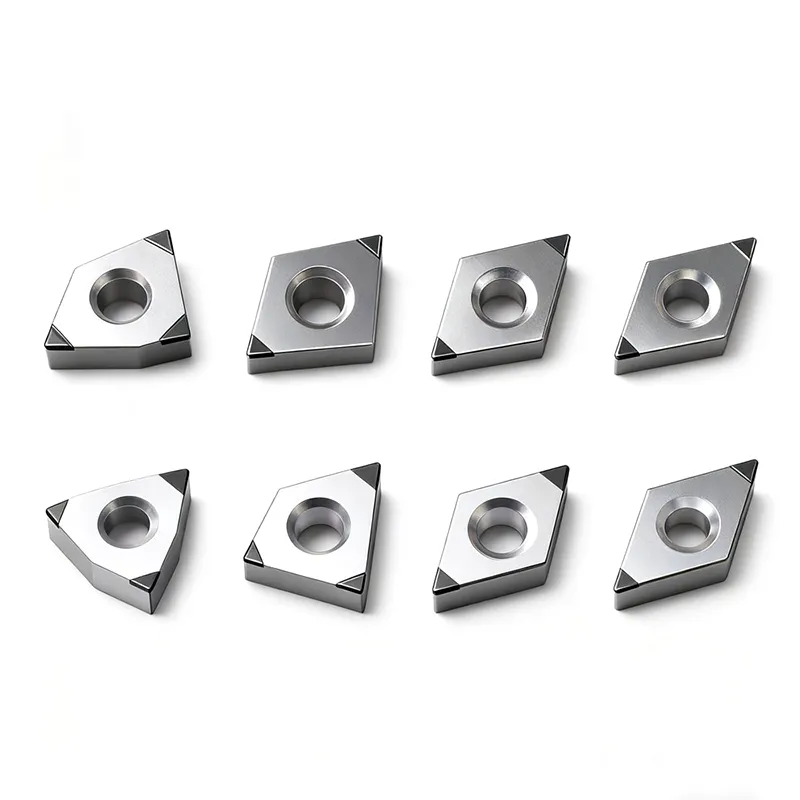
- PCD Cutting Edges: Ultra-hard polycrystalline diamond delivers wear resistance and precision.
- Custom Geometry: Step, multi-diameter, chamfered, and profile shapes available.
- Tolerance Control: Capable of maintaining tight bore tolerances such as IT6.
Benefits at a Glance
- Extended service life (10-20× compared to carbide).
- Reduced need for secondary finishing.
- Improved surface roughness and concentricity.
- Lower cost per finished part over high volumes.
Industry Applications
- Automotive: Precision valve bodies, transmission housings and cylinder head bores.
- Aerospace: Structural and aluminum component machining.
- 3C Electronics: High volume internal hole finishing on electronics housings.
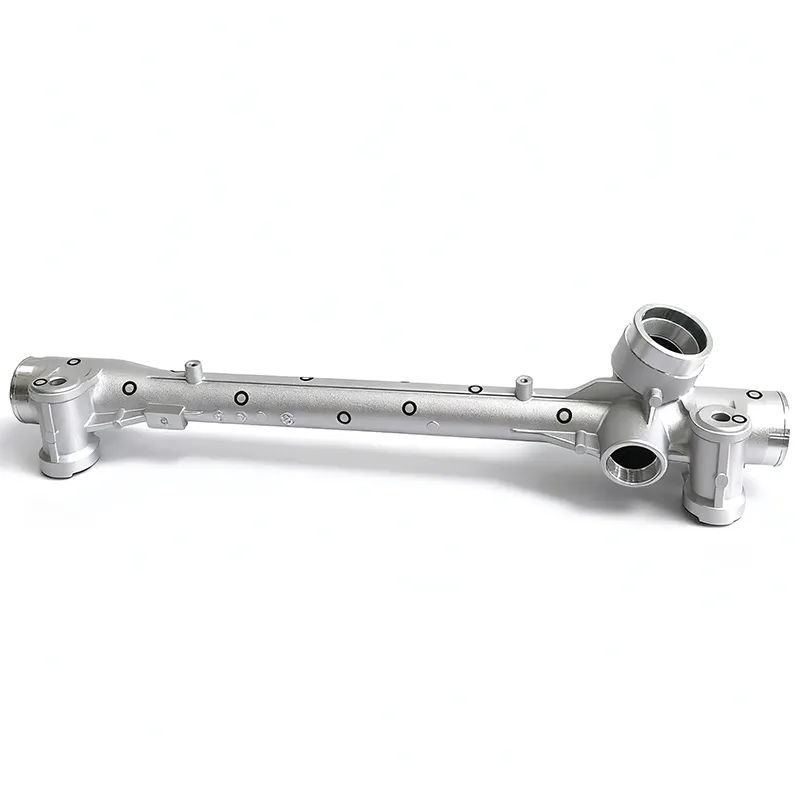
- Hydraulics & Pneumatics: Precise bore profiling in valve blocks and manifolds.
Design & Customization Considerations
The greatest advantage of non-standard PCD reamers lies in their ability to be tailored to specific machining challenges:
- Multi-diameter or stepped features to combine operations in one tool.
- Chamfered or bottom-form designs for edge finishing and hole profiling.
- Adjustable designs for extended usable life and tolerance control.
Best Practices for Precision Machining with PCD Reamers
To maximize performance and part quality when using PCD non-standard reamers, consider:
- Correct Pre-Hole Size: Drill slightly under final diameter to allow controlled material removal by reamer.
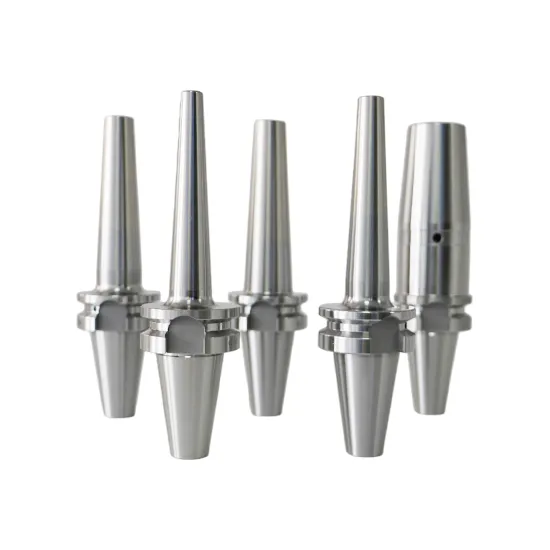
- Stable Tool Setup: Use rigid holders and minimal overhang to reduce deflection and vibration.
- Appropriate Coolant/Lubrication: MQL or through-coolant can lower heat and improve surface finish.
- Regular Inspection: Monitor cutting edges and regrind if needed to extend life.
Comparison: PCD Reamers vs. Carbide & HSS
| Feature | PCD Reamer | Carbide Reamer | HSS Reamer |
|---|---|---|---|
| Wear Resistance | Excellent | Good | Fair |
| Surface Finish | Superior | Good | Moderate |
| Tool Life | 10–20× Longer | Standard | Short |
| Cost per Part | Lowest (High Volume) | Medium | Highest |
Note: Data reflects typical use cases in non-ferrous precision holemaking.
Frequently Asked Questions
1. What materials are best suited for PCD non-standard reamers?
These tools excel on non-ferrous metals such as aluminum, copper alloys, composites, and high-silicon materials. They are less suited for hardened steels unless specific coatings or geometries are applied.
2. How much longer do PCD tools last compared to carbide?
In many applications, PCD reamers can last 10 to 20 times longer than carbide tools, dramatically reducing tool changes and cost per hole.
3. Can PCD reamers handle multi-diameter holes?
Yes — stepped, combination, and multi-diameter PCD reamers can finish multiple bore sizes in a single pass, saving cycle time.
4. Are custom PCD non-standard reamers expensive?
Initial unit costs may be higher than standard reamers, but extended life and improved productivity frequently justify the investment, especially in high-volume production.
For tailored solutions in PCD non-standard reamers and other custom precision tools, WDF stands ready to help with design, manufacturing, and application support. Enhance your process capability and product quality — contact us for expert guidance and a personalized quote!
Related News
- How Can a PCD Non Standard Forming Cutter Transform High-Precision Machining
- High-Performance Aluminum Alloys Continue to Evolve as Demand for Precision Aerospace Machining Grows
- How Can CNC Blades Improve Machining Accuracy and Tool Life?
- What Makes CNC Machined Prototypes for Automotive Parts Worth Choosing Before Production?
- How Can Non-standard Custom Tools Solve Real Machining Problems Better Than Standard Tools?
- How Can Drilling Tools Improve Precision, Stability, and Cost Control in Modern Machining?
Leave me a message