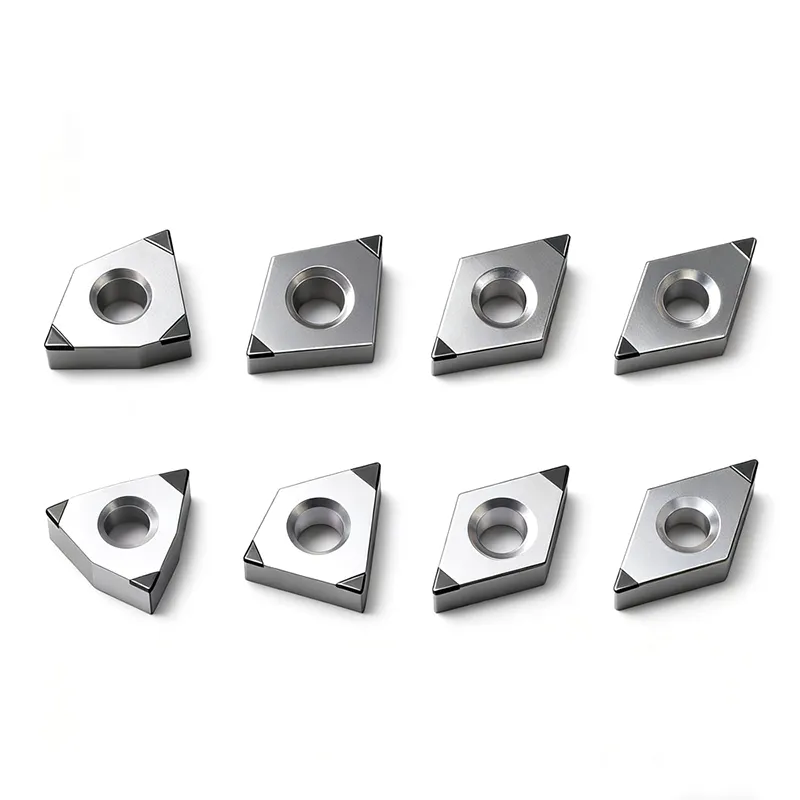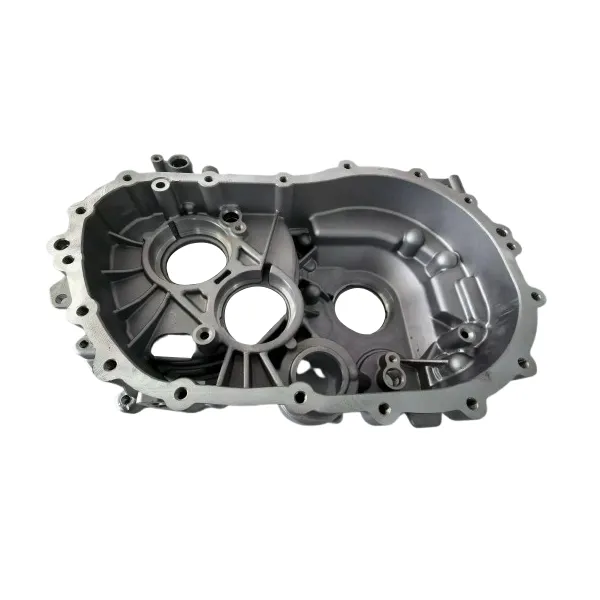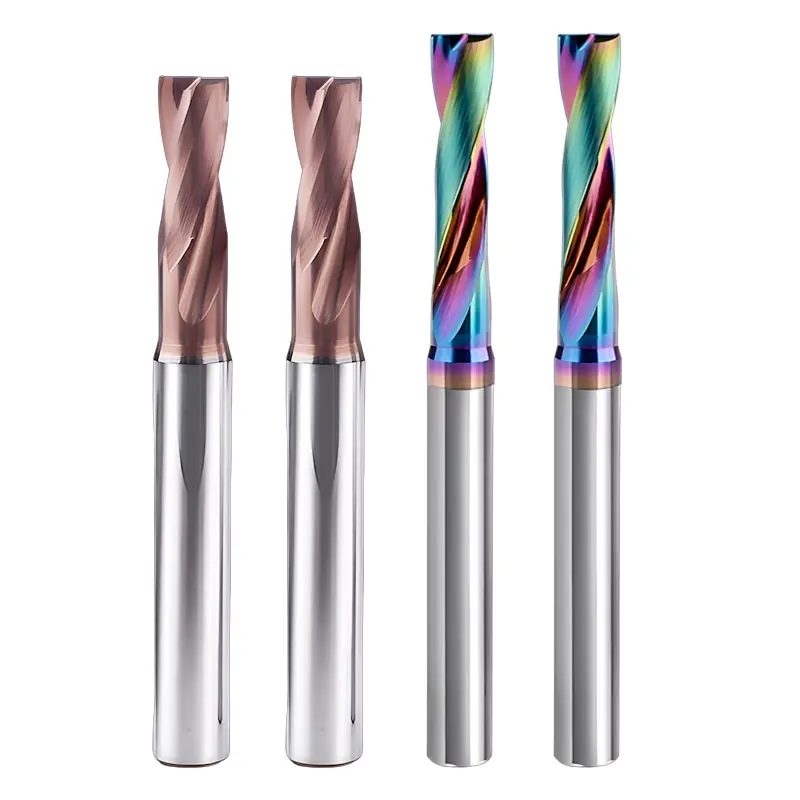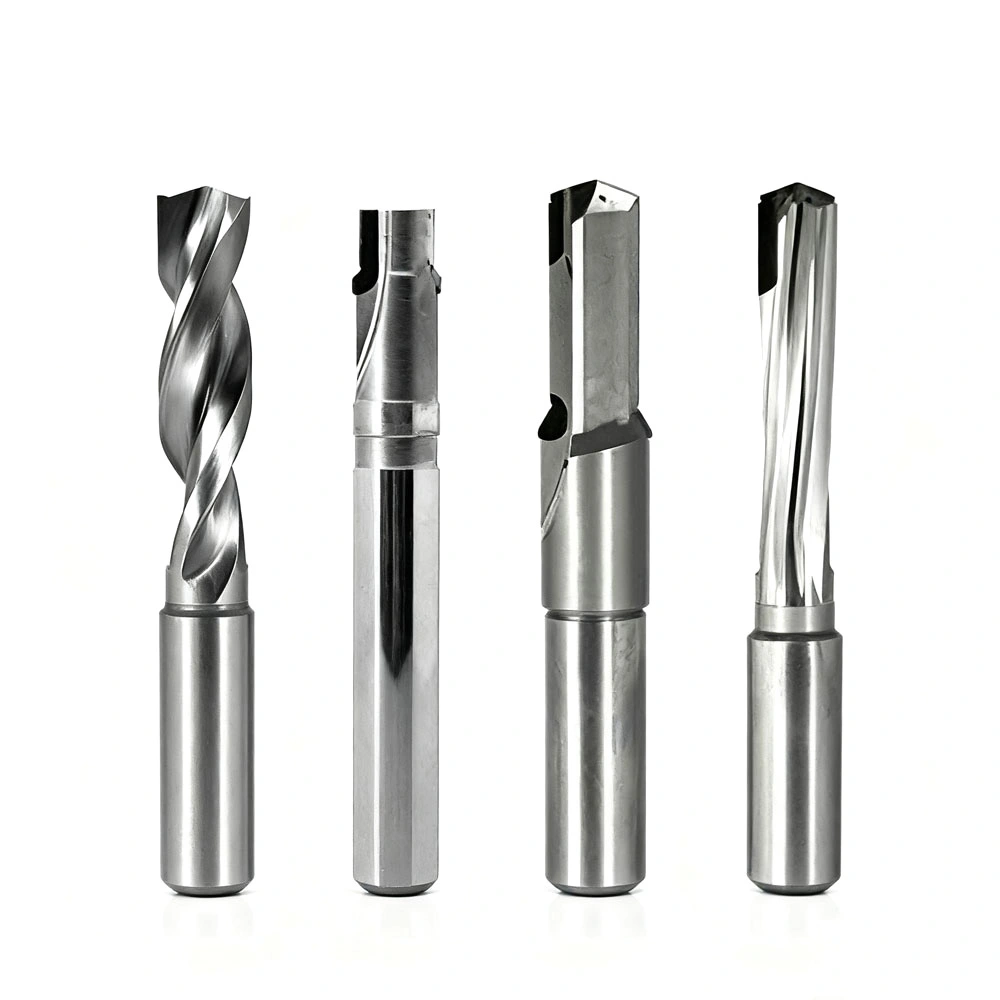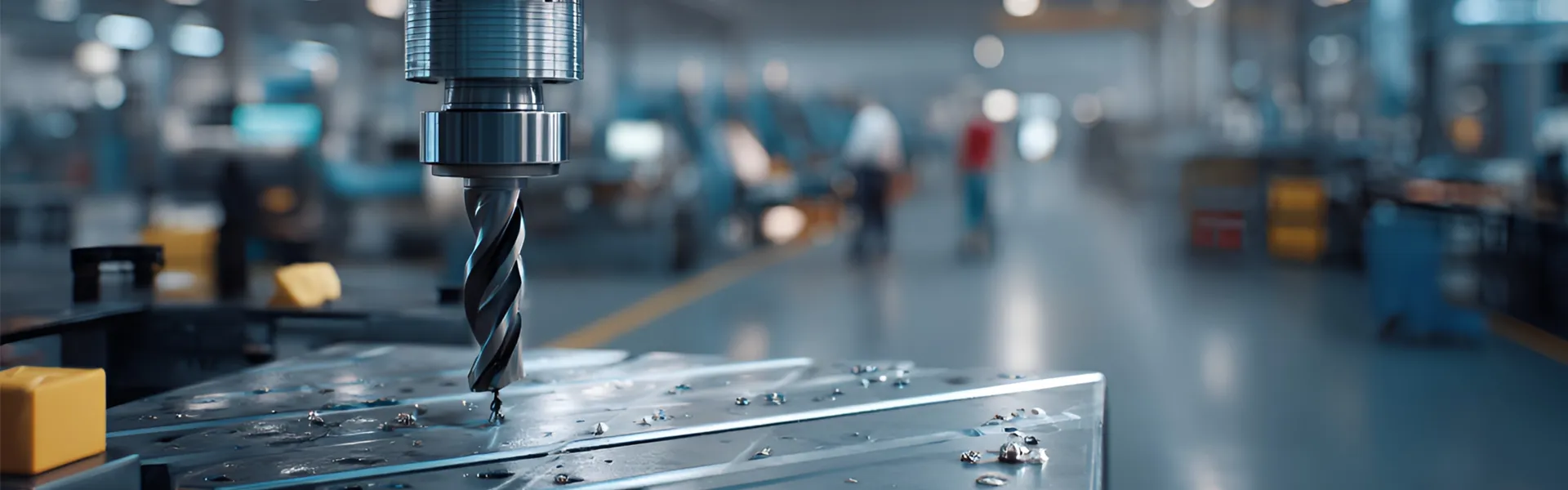
How Can CNC Blades Improve Machining Accuracy and Tool Life?
In modern machining, buyers are not only looking for a cutting tool that can remove material. They are looking for a stable, repeatable, and cost-effective solution that helps reduce scrap, extend tool life, improve surface finish, and keep production schedules under control. This article explains how CNC Blades affect machining performance, what problems they solve for factories, and how to choose the right blade for different materials and working conditions.
Article Summary
CNC Blades play a direct role in cutting stability, dimensional accuracy, surface quality, production efficiency, and long-term machining cost. When a blade is poorly matched with the workpiece material, machine rigidity, coolant condition, or cutting parameters, the result can be fast wear, chipping, vibration, burrs, poor finish, and unexpected downtime. A well-selected CNC blade, however, helps manufacturers achieve smoother cutting, better heat resistance, longer service life, and more predictable output.
For purchasing managers, engineers, and machining workshop owners, the real question is not simply whether a blade is sharp. The more important question is whether the blade can maintain stable performance under repeated production pressure. Ningbo Wangdefu Precision Machinery Co.Ltd. focuses on precision machining solutions and cutting tool supply, helping industrial users match CNC Blades with practical production needs rather than choosing tools by price alone.
Table of Contents
- Article Outline
- Why Do CNC Blades Matter in Precision Machining?
- What Problems Do CNC Blades Help Solve?
- Which CNC Blade Materials Are Commonly Used?
- How Should Buyers Choose CNC Blades?
- CNC Blades Selection Table
- What Should Be Checked Before Bulk Purchasing?
- Why Does Supplier Experience Matter?
- FAQ About CNC Blades
- Conclusion
Article Outline
- Understand the role of CNC Blades in accuracy, surface finish, and tool life.
- Identify common machining problems caused by unsuitable blades.
- Compare different blade materials and their typical applications.
- Learn practical selection factors for industrial purchasing.
- Review quality checkpoints before ordering CNC Blades in bulk.
- Explore why a reliable supplier can reduce hidden production costs.
Why Do CNC Blades Matter in Precision Machining?
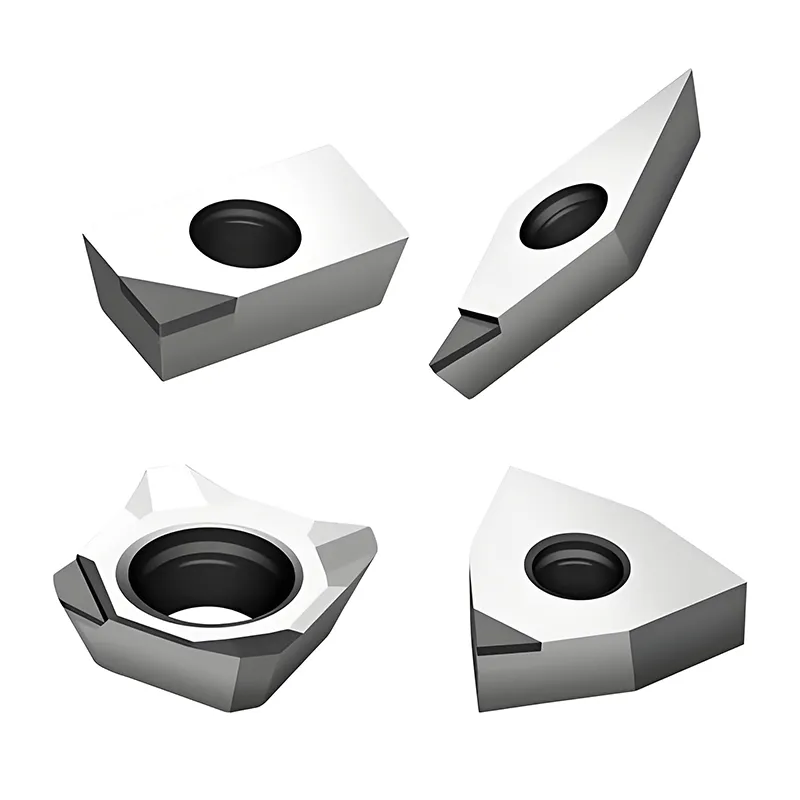
CNC Blades are small components, but their influence on machining results is not small at all. A blade is the part that actually contacts the workpiece, removes material, resists heat, carries cutting force, and determines whether the final part meets tolerance requirements. Even when a factory uses advanced CNC machines, poor blade selection can still lead to unstable results.
In many workshops, the machine, fixture, operator, and program are blamed first when a part fails inspection. Yet the cutting edge is often the hidden reason behind the issue. If the blade geometry is unsuitable, cutting pressure increases. If the coating cannot handle heat, wear accelerates. If the edge strength is too weak, chipping may appear before the expected tool life is reached.
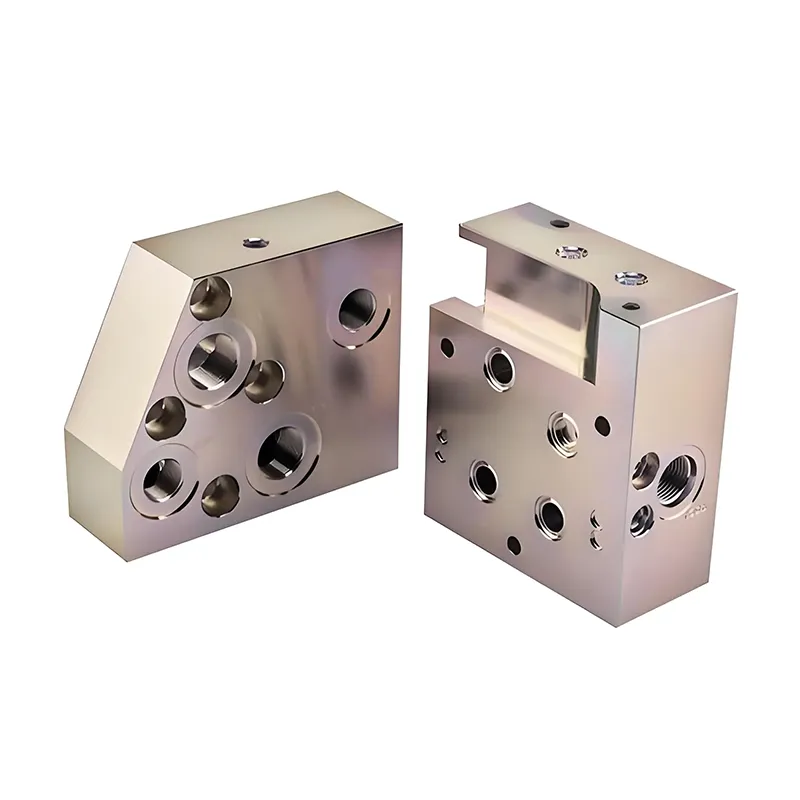
For manufacturers producing automotive parts, mechanical components, molds, valve blocks, robotic parts, aluminum components, or hardened material parts, blade performance directly affects productivity. The right CNC Blades can help maintain consistent dimensions, reduce secondary finishing, improve cutting rhythm, and lower the cost per finished part.
What Problems Do CNC Blades Help Solve?
Buyers usually search for CNC Blades because something in production is already uncomfortable. Maybe the blade wears too quickly. Maybe the finish is not stable. Maybe the cutting edge breaks suddenly. Maybe the supplier cannot provide consistent quality from batch to batch. These problems may look like tool problems, but they often become bigger business problems.
A poor cutting tool can cause delayed delivery, rejected parts, excessive machine downtime, and rising labor costs. When operators need to stop frequently to replace tools, adjust parameters, inspect surfaces, or repair damaged workpieces, the real cost becomes much higher than the purchase price of the blade itself.
Common pain points include:
- Short tool life: The blade wears out before completing the expected number of parts.
- Unstable accuracy: Part dimensions shift during continuous cutting.
- Surface defects: Scratches, roughness, burrs, or tearing appear on the workpiece.
- Edge chipping: The cutting edge breaks under interrupted cutting or heavy load.
- Heat damage: Excessive temperature causes coating failure or rapid wear.
- Wrong material match: A blade suitable for one material performs poorly on another.
- Inconsistent batches: Tool performance changes from one order to the next.
Choosing proper CNC Blades helps address these issues at the source. Instead of repeatedly adjusting the process after problems appear, a factory can build stability into the machining process from the cutting edge.
Which CNC Blade Materials Are Commonly Used?
The material of CNC Blades determines hardness, toughness, heat resistance, wear resistance, and cutting behavior. No single blade material is perfect for every job. The correct choice depends on workpiece material, machining method, cutting speed, feed rate, coolant condition, and surface requirement.
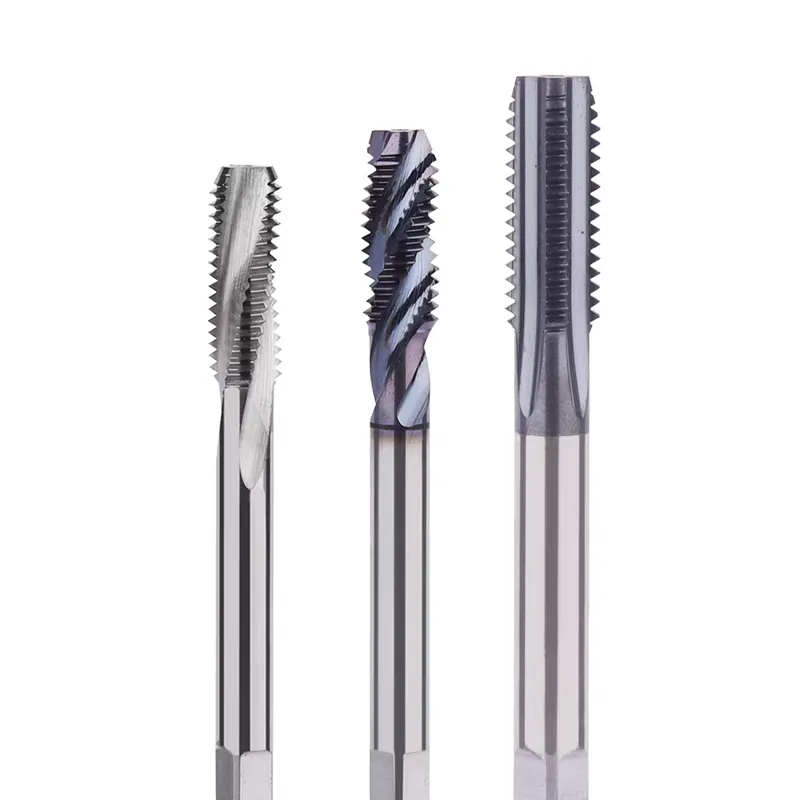
Carbide blades are widely used in many machining operations because they offer a strong balance of hardness and wear resistance. They are suitable for steel, stainless steel, cast iron, and many general industrial materials. For higher hardness materials or more demanding production, advanced blade materials such as CBN or PCD may be selected.
PCD blades are often used for non-ferrous materials such as aluminum alloy, copper, and some composite materials. They are valued for excellent wear resistance and smooth cutting performance. CBN blades are often used for hardened steel, cast iron, and difficult materials where heat and hardness create severe cutting conditions.
Coatings also matter. A suitable coating can reduce friction, improve heat resistance, and extend tool life. However, coating should not be selected blindly. A blade used for high-speed cutting may need different coating performance from a blade used for interrupted cutting or finishing.
How Should Buyers Choose CNC Blades?
Selecting CNC Blades should begin with the real machining task, not with a catalog number alone. A buyer should consider what material is being cut, whether the operation is roughing or finishing, whether the machine is rigid enough, and whether coolant is available. The same blade may perform very differently under different working conditions.
A practical selection process should include the following points:
- Workpiece material: Aluminum, stainless steel, cast iron, hardened steel, and plastic each require different cutting behavior.
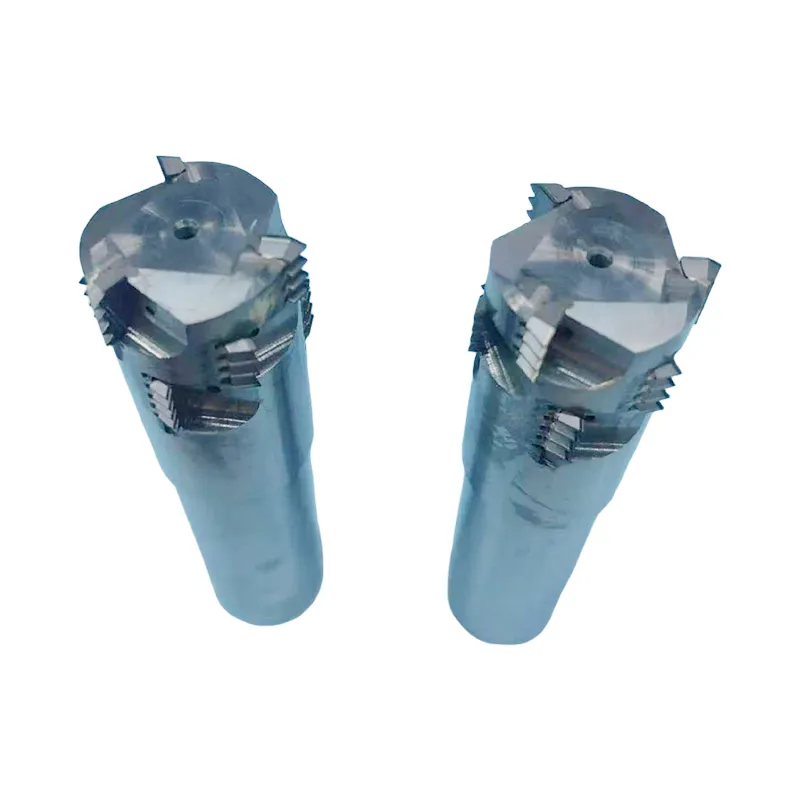
- Machining operation: Turning, milling, boring, grooving, threading, and finishing all place different stress on the blade.
- Cutting condition: Continuous cutting allows different edge design compared with interrupted cutting.
- Accuracy requirement: High-precision parts need stable blade geometry and reliable edge consistency.
- Surface finish: Finishing operations need sharper edges and better friction control.
- Machine rigidity: Weak rigidity can increase vibration and blade damage.
- Production volume: Mass production often benefits from longer-life blades even if unit price is higher.
For buyers, the safest approach is to share detailed machining information with the supplier. This includes material grade, hardness, machine type, operation type, drawing tolerance, current tool life, cutting speed, feed, depth of cut, and the exact problem currently being faced. With this information, a professional supplier can recommend CNC Blades more accurately.
CNC Blades Selection Table
| Blade Type | Typical Use | Main Advantage | Buyer Concern |
|---|---|---|---|
| Carbide CNC Blades | General steel, stainless steel, cast iron, industrial parts | Balanced hardness, toughness, and cost | Choose correct grade and coating for the material |
| PCD CNC Blades | Aluminum, copper, non-ferrous metals, composite materials | Excellent wear resistance and fine surface finish | Not suitable for all ferrous materials |
| CBN CNC Blades | Hardened steel, cast iron, high-hardness workpieces | Strong heat resistance and hardness performance | Requires suitable cutting parameters and stable setup |
| Coated CNC Blades | High-speed cutting, dry cutting, long-cycle machining | Reduced friction and improved wear resistance | Coating must match the cutting temperature and material |
This table is a starting point, not a final answer for every project. A buyer should always connect blade type with actual cutting conditions. The more specific the production information, the more reliable the blade recommendation will be.
What Should Be Checked Before Bulk Purchasing?
Bulk purchasing CNC Blades without testing can create unnecessary risk. Even when a blade looks correct on paper, real production may expose problems such as vibration, edge weakness, coating mismatch, or unstable wear. Before placing a larger order, buyers should check both product quality and supplier response ability.
Important checkpoints include:
- Whether the blade dimension matches the tool holder and machine setup.
- Whether the edge is suitable for roughing, semi-finishing, or finishing.
- Whether the blade can maintain stable tool life during repeated production.
- Whether the surface finish remains consistent from the first part to the last part.
- Whether the supplier can provide clear technical communication.
- Whether batch quality remains consistent after sample approval.
- Whether packaging protects the cutting edge during international transport.
For many factories, a trial order is not a delay. It is a smart way to avoid larger losses. A suitable sample test can reveal whether the blade truly fits the production line and whether the supplier understands the buyer’s machining goals.
Why Does Supplier Experience Matter?
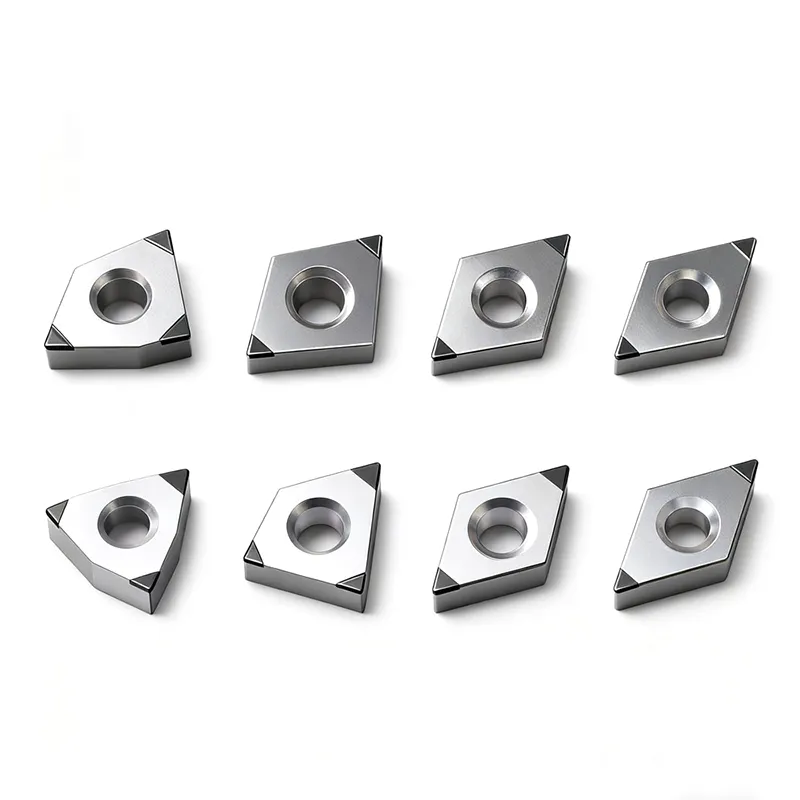
CNC Blades are technical products. A supplier who only sells standard items may not be able to help when a customer faces difficult materials, unstable cutting, or special tolerances. A supplier with machining knowledge can ask better questions, provide better recommendations, and help buyers reduce trial-and-error costs.
Ningbo Wangdefu Precision Machinery Co.Ltd. works in the field of precision machining and CNC cutting tools, serving buyers who care about accuracy, durability, and practical production results. For international purchasers, this kind of supplier support is valuable because many machining problems cannot be solved by product pictures or simple specifications alone.
A capable CNC Blades supplier should understand not only the product, but also how the product behaves inside a real workshop. The supplier should be able to discuss material, tool life, finishing quality, blade type, coating, and application requirements. This turns the buying process from a simple transaction into a more reliable technical match.
When buyers choose CNC Blades, they are also choosing production stability. A low-cost blade that causes frequent tool changes may become expensive over time. A better-matched blade may reduce machine stops, improve part quality, and make delivery schedules easier to control.
FAQ About CNC Blades
Q1: Are CNC Blades only used for metal cutting?
No. CNC Blades are widely used for metal machining, but certain blade materials and geometries can also be used for non-metal materials, composite materials, plastics, and other industrial workpieces. The key is to match the blade with the material and cutting process.
Q2: Why do CNC Blades wear out quickly?
Fast wear may be caused by unsuitable blade material, wrong coating, excessive cutting speed, poor coolant condition, hard workpiece material, weak machine rigidity, or incorrect feed and depth of cut. It is important to review the complete cutting condition rather than blaming the blade alone.
Q3: How can I improve surface finish with CNC Blades?
Surface finish can often be improved by selecting a sharper cutting edge, using suitable blade geometry, controlling vibration, adjusting cutting parameters, and ensuring the blade material fits the workpiece. For finishing operations, consistency of the edge is especially important.
Q4: Should I choose PCD or CBN CNC Blades?
PCD blades are commonly chosen for non-ferrous materials such as aluminum and copper, while CBN blades are often selected for hardened steel and cast iron. The correct choice depends on the workpiece material, hardness, cutting speed, and machining target.
Q5: Is the cheapest CNC blade a good option for mass production?
Not always. In mass production, the cost of tool changes, rejected parts, downtime, and unstable machining can be much higher than the blade price. Buyers should compare total machining cost, not only unit price.
Q6: What information should I provide when asking for a CNC Blades quotation?
It is helpful to provide workpiece material, hardness, machining process, machine type, current tool life, cutting speed, feed rate, depth of cut, coolant condition, required tolerance, and target surface finish. The more details you provide, the more accurate the recommendation can be.
Conclusion
CNC Blades may look like small consumables, but they influence almost every important result in machining: accuracy, finish, efficiency, tool life, and production cost. For factories that want stable output, choosing the right blade is not a minor purchasing decision. It is part of process control.
A suitable blade helps reduce vibration, control heat, improve surface quality, and extend service life. A poor blade creates hidden costs through downtime, rework, scrap, and unpredictable performance. That is why buyers should consider material, coating, geometry, application, supplier experience, and batch consistency before placing an order.
Ningbo Wangdefu Precision Machinery Co.Ltd. provides CNC Blades and precision machining support for customers who need dependable cutting performance and practical product matching. If you are looking for CNC Blades for metal cutting, precision machining, production improvement, or customized industrial applications, contact us today to discuss your material, drawing, machining process, and purchasing requirements. Our team will help you find a suitable cutting solution for your next project.
Related News
- How Can a PCD Non Standard Forming Cutter Transform High-Precision Machining
- High-Performance Aluminum Alloys Continue to Evolve as Demand for Precision Aerospace Machining Grows
- What Makes CNC Machined Prototypes for Automotive Parts Worth Choosing Before Production?
- How Can Non-standard Custom Tools Solve Real Machining Problems Better Than Standard Tools?
- How Can Drilling Tools Improve Precision, Stability, and Cost Control in Modern Machining?
- How Do CNC Tool Holders Affect Real Machining Results?
Leave me a message