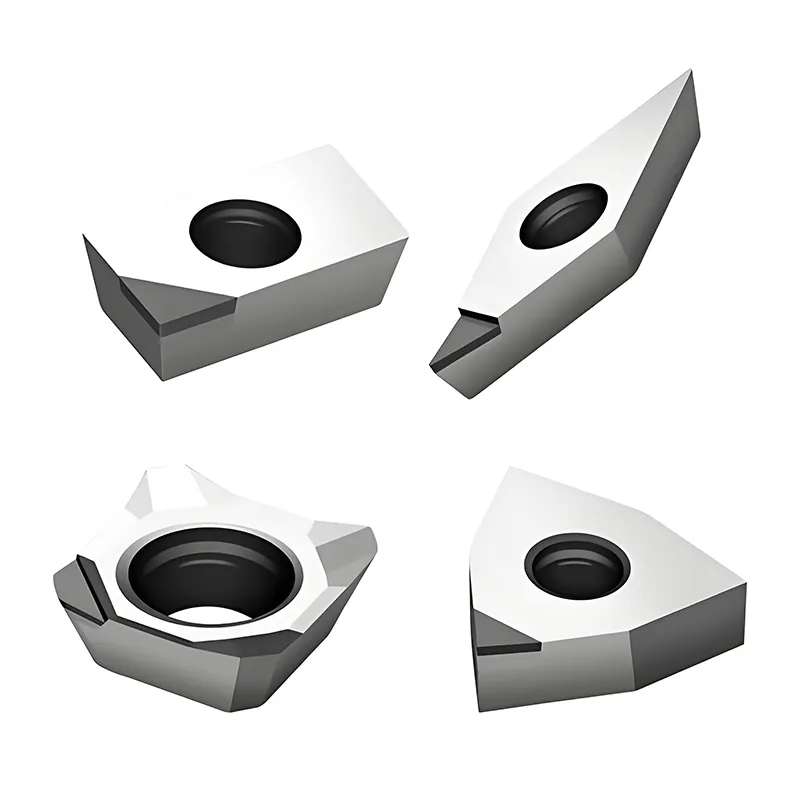
High-Precision CNC Blades for Metal Cutting Machines
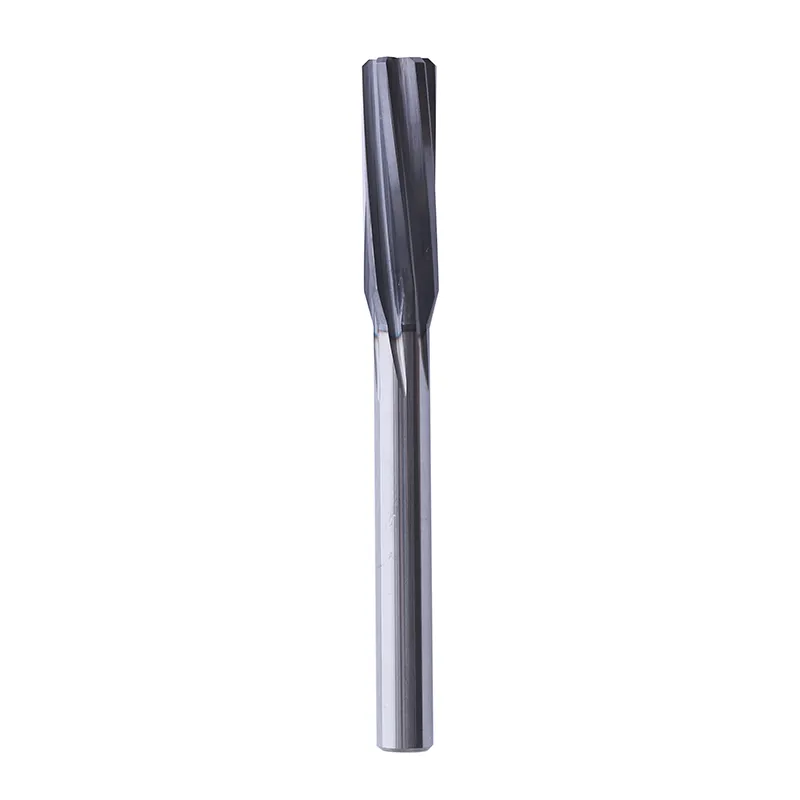
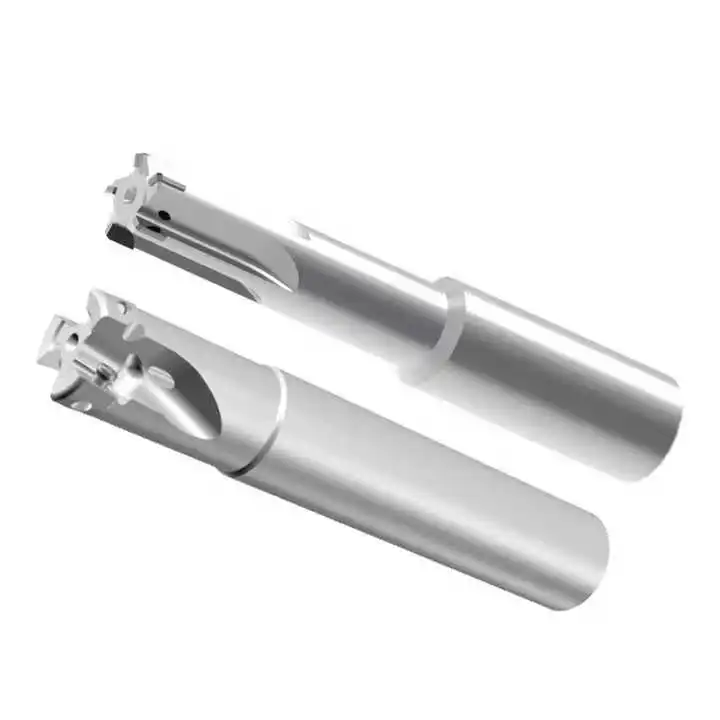
In Computer-Controlled Machining (CNC), the cutting tool is the true core component. WDF's CNC blades are designed for precision machining processes such as milling, turning, and engraving, which require extremely sharp cutting edges. The quality, speed, and surface finish of the finished part depend entirely on the performance of the insert used. Modern factories have high demands on inserts: they must withstand high temperatures, maintain a sharp cutting edge, and produce beautiful surfaces. Therefore, for machining plants that want to complete machining quickly and efficiently, choosing the right product is crucial.
What is this cutting tool made of? Does it have a coating?
The material of a CNC blades and whether it is coated directly affect its hardness, toughness, and durability.
Carbide is currently the primary material for machining; it is extremely hard, especially at high temperatures.
High-speed steel is a material with a long history; it is relatively tough and can be repeatedly ground. It is suitable for less demanding machining tasks or when carbide is too brittle.
Ceramic-metal cutting tools are a hybrid of ceramic and metal, combining the hardness of ceramic with the toughness of carbide, making them ideal for precision machining.
Diamond cutting tools have undeniable hardness and are primarily used for cutting soft metals such as aluminum and copper, or materials requiring special grinding, such as carbon fiber.
CNC blades can also be coated with a material; some common choices include:
TiN coating: This is a golden-yellow coating with a wide range of applications, making the blade harder and smoother.
TiCN coating: It is more wear-resistant than TiN coating and is more suitable for materials requiring special grinding.
AlTiN coating: This coating exhibits excellent resistance to high-temperature oxidation, making it ideal for high-speed dry cutting.
DLC coating: Provides a smooth, glossy surface, best suited for cutting soft metals such as aluminum and copper, or sticky materials such as plastics.


- View as

PCD Inserts
WDF is a professional China supplier specializing in PCD inserts. With many years of experience in the super-hard tooling industry, we have set an industry benchmark through advanced research and a precise understanding of customer needs. As a reliable manufacturer and factory-level provider, WDF has become a trusted partner for companies worldwide, delivering high-quality, precise, and durable cutting solutions.
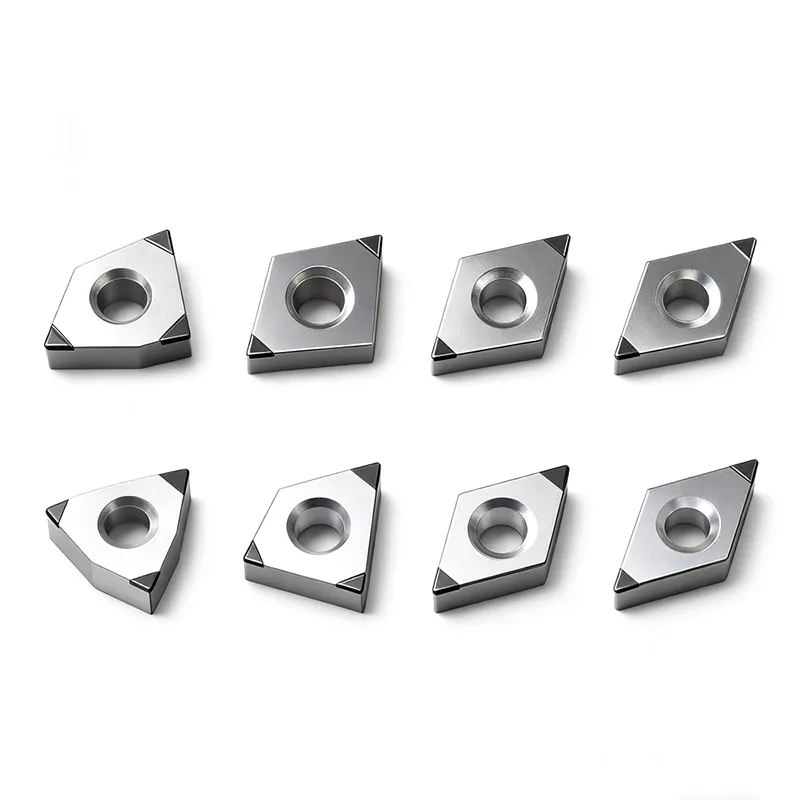
CBN Inserts
WDF is a professional China manufacturer specializing in CBN inserts, providing expertise in R&D, production, and sales. With strong technical capabilities and factory-level quality control, we deliver high-performance, precise, and reliable cutting solutions. As a trusted supplier in the super-hard tooling industry, WDF has earned an excellent reputation worldwide for quality and service.
As a reliable CNC Blades manufacturer and supplier in China, we have our own factory. If you want to buy high-quality CNC products, please contact us.