How Can a PCD Non Standard Forming Cutter Transform High-Precision Machining
Article Summary: A PCD Non Standard Forming Cutter is designed for machining operations where standard cutting tools cannot efficiently reproduce complex contours, steps, grooves, or special profiles. By combining a PCD tool head with a carbide body, this customized tooling solution delivers excellent wear resistance, dimensional stability, smooth surface finishes, and one-step forming capability. Wangdefu provides customized PCD tooling solutions for demanding applications across automotive, aerospace, 3C electronics, and medical equipment manufacturing.
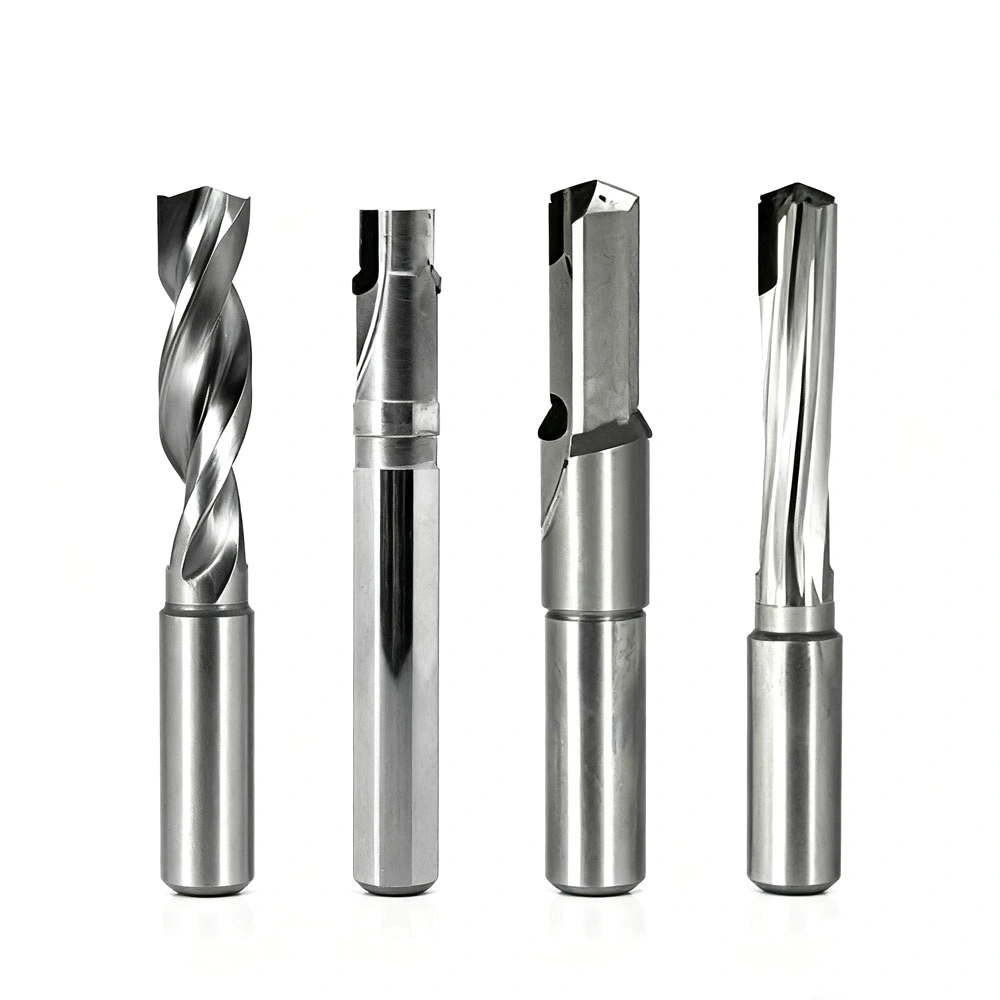
Table of Contents
What Is a PCD Non Standard Forming Cutter?
Why Is PCD Suitable for Precision Forming?
Key Specifications and Customization Options
What Are the Major Advantages?
How Should You Select the Right Cutter?
How Does Custom Tooling Improve Production Efficiency?
What Is a PCD Non Standard Forming Cutter?
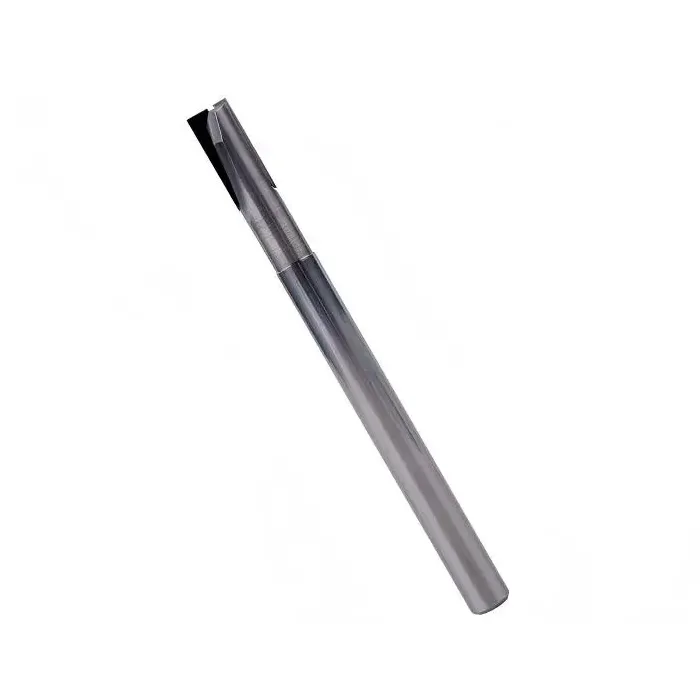
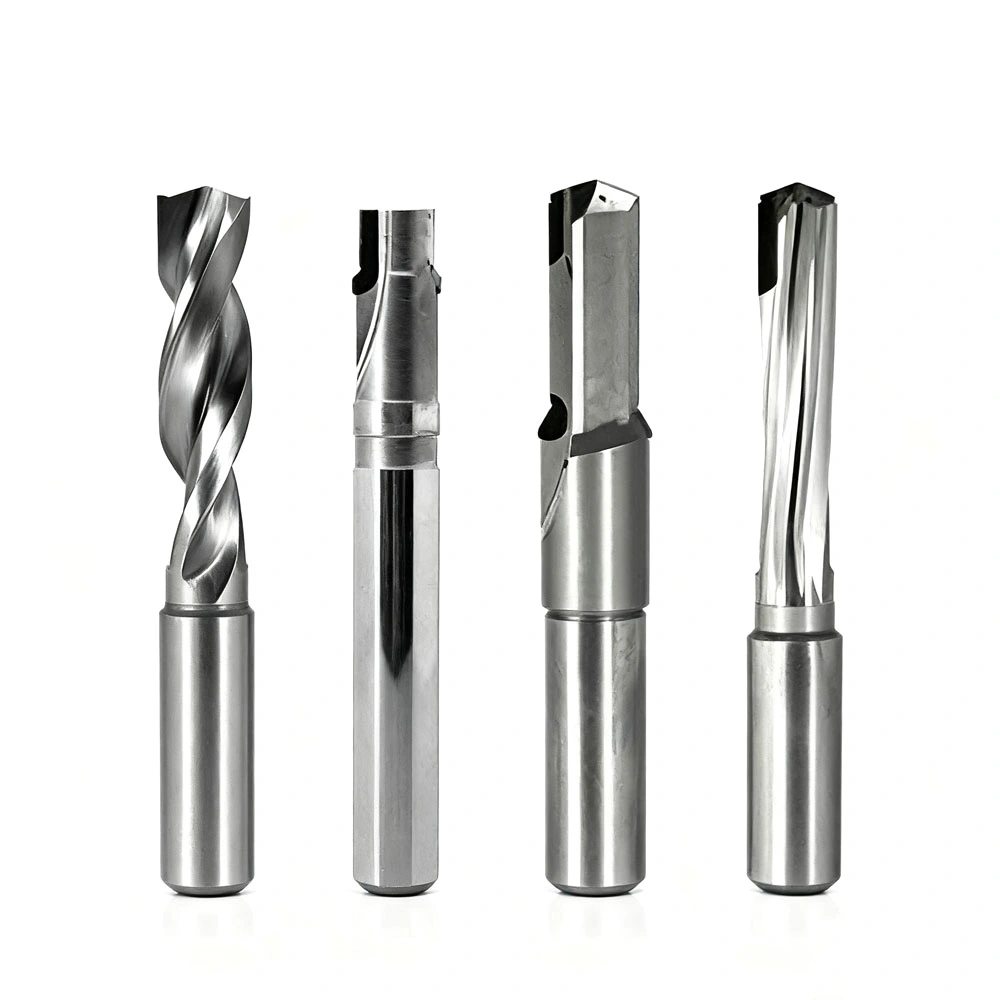
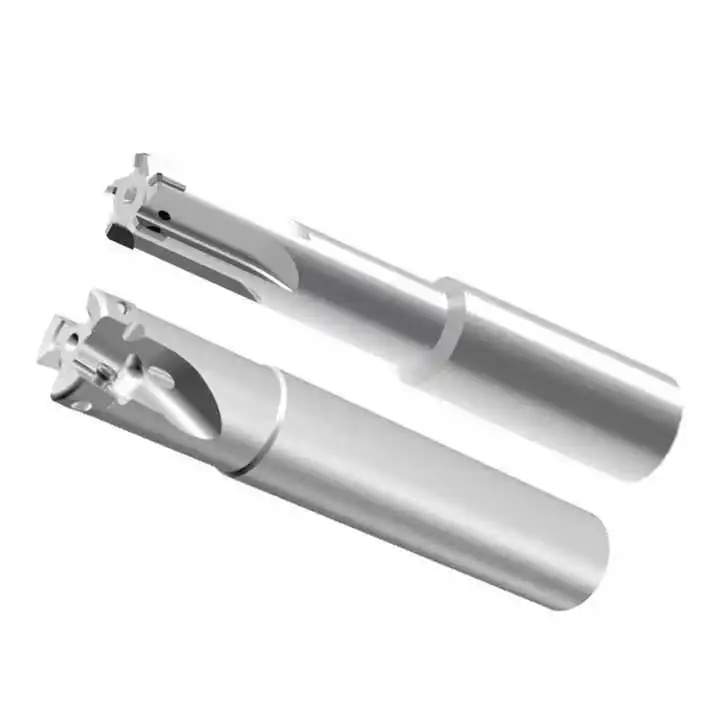
A PCD Non Standard Forming Cutter is a custom-designed cutting tool developed for machining workpieces with complex or non-standard geometries. Unlike conventional end mills or general-purpose cutters, it is engineered around the actual contour, tolerance, material, and production requirements of a specific component.
The tool typically combines a polycrystalline diamond (PCD) cutting head with a high-strength carbide tool body. According to the product specifications, the PCD cutting section can reach a hardness of approximately 8000 HV, while its thermal conductivity can reach around 700 W/mK. These characteristics help maintain cutting-edge stability, reduce wear, and dissipate machining heat efficiently.
For manufacturers producing components with irregular contours, stepped holes, grooves, curved surfaces, or other specialized profiles, custom forming geometry can eliminate multiple machining stages. Instead of using several tools to gradually reproduce a shape, a properly engineered forming cutter can complete the intended profile in a single machining operation.
For more information about customized tooling capabilities, see the non-standard custom tools solutions from Wangdefu.
Why Is PCD Suitable for Precision Forming?
Material selection has a direct influence on tool life, surface quality, dimensional consistency, and machining cost. PCD is particularly attractive for non-ferrous and abrasive materials because its extreme hardness and wear resistance help maintain a stable cutting edge over extended production cycles.
High Hardness and Wear Resistance
PCD is substantially harder than conventional carbide. This allows the cutting edge to resist gradual wear during continuous machining. A more stable edge can help manufacturers maintain dimensional accuracy for longer periods and reduce the frequency of tool replacement.
Efficient Heat Dissipation
Heat accumulation can cause thermal deformation and negatively affect machining accuracy. PCD has high thermal conductivity, allowing heat generated at the cutting zone to dissipate quickly. This characteristic is especially valuable when machining aluminum alloys and other materials where surface quality and dimensional stability are important.
Stable Surface Finishing
A sharp and wear-resistant PCD edge can produce clean, consistent cutting results. When the tool geometry is precisely matched to the workpiece, complex surfaces can be reproduced with fewer secondary operations.
Key Specifications and Customization Options
Because forming tools are developed according to individual workpieces, there is no single universal configuration. Tool dimensions and geometry should be determined from the component drawing, machining material, CNC equipment, production volume, and required tolerance.
| Parameter | Typical Configuration | Customization Consideration |
|---|---|---|
| Tool Head | PCD | Selected according to material and cutting requirements |
| Tool Body | Carbide | Provides rigidity and structural support |
| Diameter | Approximately 1 mm to 60 mm+ | Determined by workpiece geometry |
| Machining Materials | Aluminum, copper, composites, engineering plastics | Tool geometry should match material characteristics |
| Flute Configuration | Customized | Number of flutes and geometry depend on application |
| Helix Angle | Customized | Optimized for cutting stability and chip evacuation |
| Shank | Straight or tapered | Matched to the machine tool and holder |
| Coolant | Optional internal channels | Useful for demanding heat-management applications |
| Forming Accuracy | Typically IT5–IT6 | Final tolerance follows the engineering drawing |
This customization approach makes the tool more than simply a cutting accessory. It becomes a machining solution engineered around the final geometry of the component.
What Are the Major Advantages of a PCD Non Standard Forming Cutter?
1. One-Step Forming
The most significant advantage is the ability to combine multiple forming requirements into one specialized tool. Where a conventional process may require several cutters and tool changes, a custom forming cutter can potentially complete the target profile in one pass.
- Fewer machining operations
- Reduced tool-change frequency
- Shorter production cycles
- More consistent feature positioning
- Lower dependence on multiple finishing processes
2. Longer Tool Life
PCD's high hardness and wear resistance help maintain cutting performance during repetitive production. Longer usable tool life can reduce machine interruptions and simplify production planning, particularly for high-volume machining.
3. Improved Surface Quality
Stable cutting-edge geometry is essential for producing smooth surfaces. A customized forming profile can reproduce the required contour accurately while reducing the risk of inconsistent machining marks caused by multiple tool transitions.
4. Application-Specific Geometry
Every component presents different machining challenges. Blade shape, flute number, helix angle, shank configuration, diameter, and coolant-channel design can be adjusted to suit the application rather than forcing the workpiece to fit a standard tool.
Where Is It Used?
Custom PCD forming cutters are especially useful when component geometry and production consistency are more demanding than what standard tooling can provide.
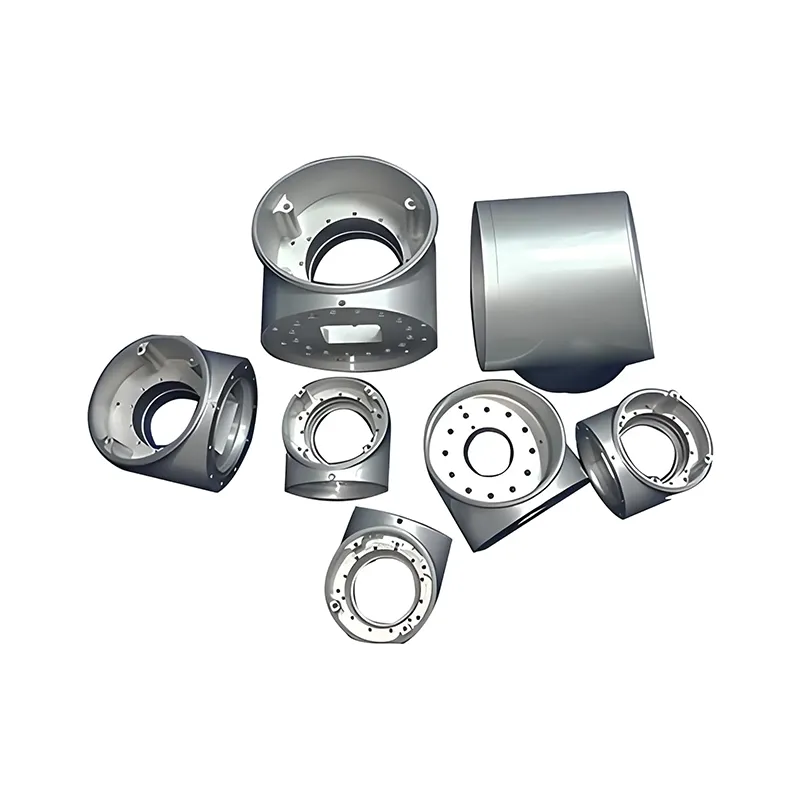
- Automotive: Aluminum alloy housings, transmission components, structural parts, and precision stepped holes.
- Aerospace: Carbon-fiber composite components and lightweight structural parts requiring controlled finishing.
- 3C Electronics: Aluminum alloy mid-frames, housings, and precision components for mobile phones and computers.
- Medical Equipment: Precision components where dimensional repeatability and surface quality are important.
- Industrial Manufacturing: Special grooves, irregular contours, curved profiles, and customized forming operations.
The tool is particularly suitable for non-ferrous metals such as aluminum and copper, as well as carbon-fiber composites, glass-fiber reinforced plastics, and selected high-hardness engineering plastics.
How Should You Select the Right Cutter?
Choosing a custom forming tool should begin with the component rather than the tool catalog. Engineers should evaluate the entire machining process before finalizing the tool geometry.
- Define the workpiece material: Identify hardness, abrasiveness, thermal characteristics, and chip behavior.
- Analyze the component drawing: Review contours, grooves, radii, steps, hole profiles, and dimensional tolerances.
- Confirm the CNC machine: Check spindle speed, power, tool-holder interface, available coolant, and machining envelope.
- Determine production requirements: Consider batch size, cycle time, tool-life expectations, and required consistency.
- Optimize the cutter geometry: Select the appropriate diameter, flute arrangement, helix angle, shank design, and forming profile.
- Validate the final design: Use CAD drawings and machining feedback to ensure the tool matches the actual production environment.
For customized tooling, providing a detailed CAD drawing or existing sample can significantly improve the accuracy of tool design. Information about the workpiece material, machine model, machining conditions, required tolerance, and target production volume is also valuable.
How Does Custom Tooling Improve Production Efficiency?
The economic value of a custom forming cutter is not determined only by its purchase price. The more important consideration is its total contribution to the machining process.
For example, a component requiring several standard cutters may involve repeated tool changes, repositioning, intermediate inspection, and additional finishing operations. A dedicated forming tool can consolidate suitable operations and reduce process complexity.
This can provide several measurable benefits:
- Lower non-cutting time caused by tool changes
- Reduced number of machining stages
- Improved dimensional consistency between batches
- Potentially lower labor and inspection requirements
- More predictable production scheduling
- Better suitability for automated CNC production
Wangdefu supports custom PCD tooling from R&D and engineering design through production. Its precision tooling business has more than a decade of experience and serves automotive, aerospace, 3C, and medical equipment applications. The company also states that its tooling accuracy can reach high precision levels, supporting customers seeking repeatable machining performance.
To explore related precision solutions, visit the CNC cutting tools category.
Frequently Asked Questions
What is the main purpose of a PCD Non Standard Forming Cutter?
Its main purpose is to machine complex or customized workpiece profiles with a dedicated cutting geometry. It can combine several forming requirements into one tool and may reduce the need for multiple machining operations.
What materials can PCD forming cutters machine?
They are commonly suitable for non-ferrous materials such as aluminum, copper, and their alloys. Depending on the tool design, they can also be used for carbon-fiber composites, glass-fiber reinforced plastics, and selected engineering plastics.
Can the cutter diameter and blade geometry be customized?
Yes. Diameter, blade profile, number of flutes, helix angle, shank configuration, and other structural characteristics can be designed according to the workpiece drawing and machining requirements. Available dimensions are not limited to one standard size.
What information is needed to develop a custom forming cutter?
A detailed CAD drawing is highly recommended. Engineers should also provide the workpiece material, target tolerance, machining equipment, spindle conditions, production volume, and current machining problems. An existing tool or component sample can also help refine the design.
Why choose PCD instead of a conventional carbide cutter?
PCD offers significantly higher hardness and wear resistance, which can help maintain a sharp cutting edge for longer periods. For suitable applications, this can improve dimensional stability, surface quality, tool life, and overall machining efficiency.
Conclusion
A properly engineered PCD Non Standard Forming Cutter can turn a complicated machining operation into a more controlled and efficient process. Its combination of PCD hardness, customized forming geometry, carbide-body strength, and one-step machining capability makes it a valuable option for precision components with demanding contours and surface requirements. With more than a decade of experience in precision tooling, Wangdefu provides customized solutions for manufacturers seeking reliable performance and application-specific tool design. If you are developing a complex machining process or need a cutter designed around your component drawing, contact us to discuss your tooling requirements and receive a customized solution.
Next :
-
Related News
- High-Performance Aluminum Alloys Continue to Evolve as Demand for Precision Aerospace Machining Grows
- How Can CNC Blades Improve Machining Accuracy and Tool Life?
- What Makes CNC Machined Prototypes for Automotive Parts Worth Choosing Before Production?
- How Can Non-standard Custom Tools Solve Real Machining Problems Better Than Standard Tools?
- How Can Drilling Tools Improve Precision, Stability, and Cost Control in Modern Machining?
- How Do CNC Tool Holders Affect Real Machining Results?
Leave me a message