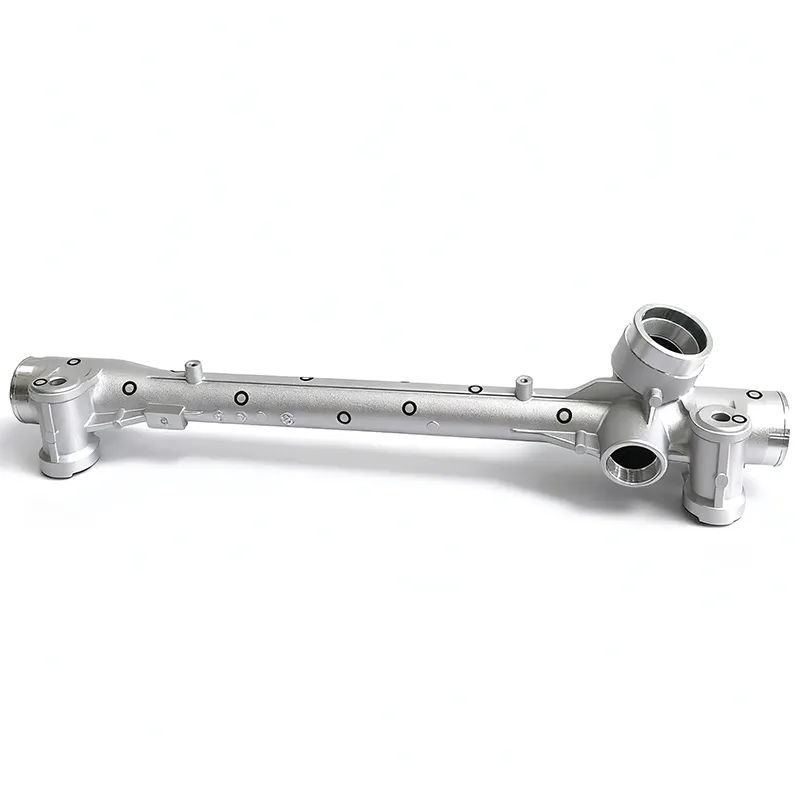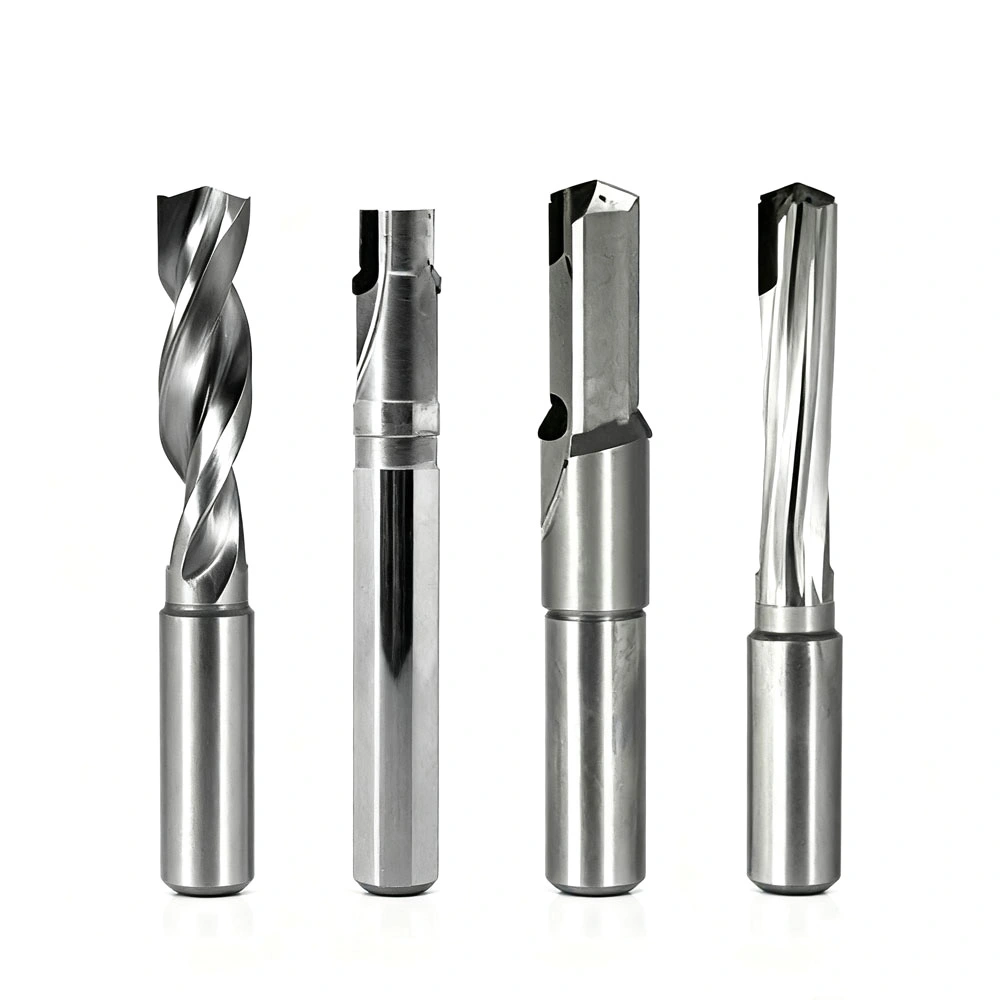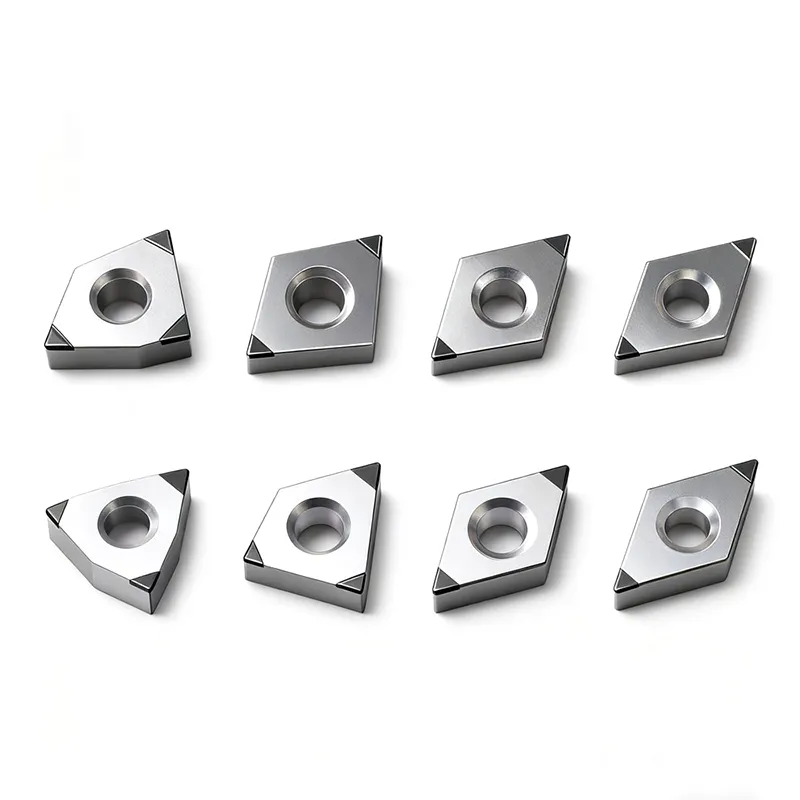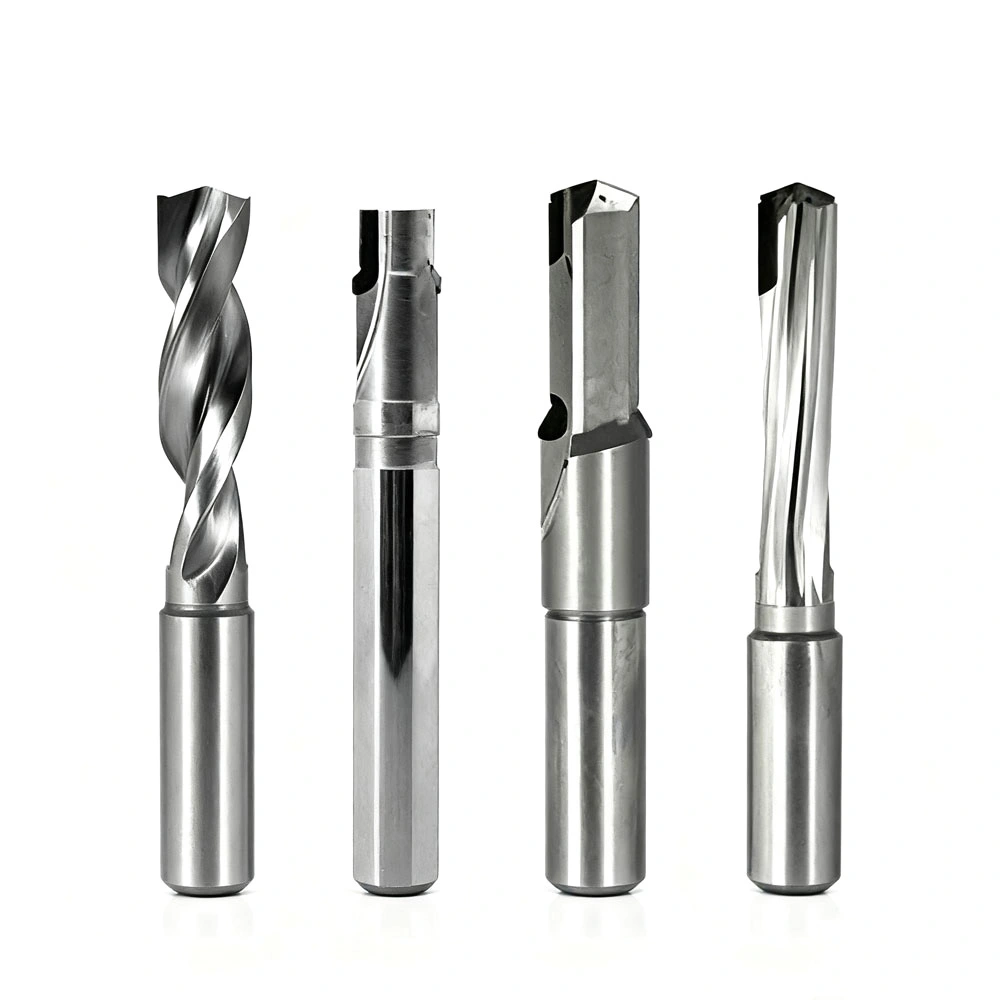
Summary: In modern manufacturing, precision, efficiency, and durability are paramount. The Carbide Flathead Drill by Wangdefu offers high-performance drilling solutions for automotive, aerospace, robotics, and mold-making industries. This article explores how this tool enhances manufacturing efficiency, detailing technical specifications, applications, benefits, and practical tips.

Table of Contents
- What is a Carbide Flathead Drill?
- Key Advantages of a Carbide Flathead Drill
- Technical Specifications
- Typical Applications in Various Industries
- Recommended Cutting Parameters
- Tips to Maximize Manufacturing Efficiency
- FAQ About Carbide Flathead Drills
- Conclusion
What is a Carbide Flathead Drill?
The Carbide Flathead Drill is a specialized flat-bottom drill made of superhard carbide alloy. Unlike traditional steel drills, it offers superior wear resistance, high precision, and the ability to drill a variety of materials including metals, plastics, and composites. Wangdefu, a leading manufacturer, ensures that each drill maintains an aperture tolerance of ≤0.01mm, providing consistent results in high-precision manufacturing.
Key characteristics include:
- Ultra-hard carbide tool head
- Flat-bottom drilling for precision components
- Efficient chip removal for smoother operations
- Durability for long-term use and cost savings
Key Advantages of a Carbide Flathead Drill
Using a Carbide Flathead Drill enhances manufacturing efficiency in several ways:
1. Superior Wear Resistance
Carbide drills from Wangdefu maintain sharpness much longer than steel counterparts, reducing the frequency of tool replacements and downtime in production lines.
2. Precision and Accuracy
With an aperture error of ≤0.01mm, these drills ensure that every hole matches design specifications exactly, critical in aerospace, automotive, and mold-making industries.
3. Multi-Material Capability
The drill is suitable for a wide range of materials:
- Carbon and alloy steel
- Stainless steel and cast iron
- Aluminum and plastic components
- Composite materials
4. Increased Processing Speed
Specially designed drill heads and chip removal structures reduce cutting resistance and allow higher feed rates, improving throughput by 30% or more.
Technical Specifications
| Parameter | Options / Values |
|---|---|
| Tool Type | General-purpose flat-end, Long-neck, Internal coolant, Miniature automated |
| Tool Body Material | Submicron carbide |
| Coating | EgiAs, TiAlN, TiCN, Uncoated |
| Hole Diameter | 0.2–30mm (custom sizes available) |
| Depth-to-Diameter Ratio (L/D) | 2D, 3D, 5D |
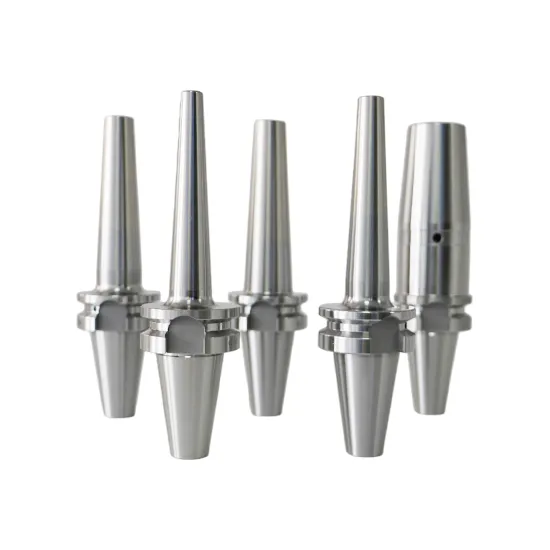
| Shank Type | Straight, Morse taper, BT/HSK interface |
| Cooling | External coolant, Internal high-pressure oil holes |
| Machining Accuracy | IT8–IT10, bottom flatness <0.01mm, surface roughness Ra1.6–3.2μm |
| Suitable Materials | Steel, aluminum, stainless steel, cast iron, plastics, composites |
Typical Applications in Various Industries
Automotive Manufacturing
Ideal for countersunk holes in transmission housing bolts (M10-M27). A φ20mm internally cooled carbide drill can produce over 3500 flat-bottom holes without burrs, eliminating post-grinding steps and increasing production speed.
Bearing Industry
For counterbore machining of 1020 steel bearings (1.5–4 inch depth), the carbide flathead drill replaces step drilling or pecking processes, improving efficiency by 50% and maintaining high surface finish standards.
Mold Manufacturing
In SKD11 die steel, oblique bolt holes (0°–25° draft angle) are drilled precisely with Wangdefu’s rigid drill body, completing drilling and countersinking in one step and reducing machining cycle by 40%.
Precision Instruments
Aluminum assembly holes (φ3–φ8mm) achieve bottom flatness of 0.008mm and surface roughness Ra1.6μm, ensuring exact component fit and assembly integrity.
Recommended Cutting Parameters
| Material | Cutting Speed (Vc) | Feed (f) | Axial Depth |
|---|---|---|---|
| Steel | 120–150 m/min | 0.05–0.1 mm/rev | ≤ Drill diameter |
| Aluminum | 200–250 m/min | 0.1–0.2 mm/rev | ≤ Drill diameter |
| Plastic/Composite | 80–120 m/min | 0.05–0.15 mm/rev | ≤ Drill diameter |
Tips to Maximize Manufacturing Efficiency
- Use internal coolant drills to reduce heat and prolong tool life.
- Match feed and speed parameters to material type.
- Regularly inspect drill tips for wear to maintain high precision.
- Integrate drills into CNC systems for consistent automated performance.
- Choose coated carbide for high-speed or abrasive material operations.
FAQ About Carbide Flathead Drills
Q1: Can I use the same drill for metal and plastic?
A: Yes, Wangdefu’s carbide flathead drills are multi-material compatible, but cutting speed and feed should be adjusted accordingly.
Q2: How long does a carbide drill last compared to steel?
A: Carbide drills can last 5–10 times longer, depending on material and usage conditions.
Q3: Are custom sizes available?
A: Yes, Wangdefu offers diameter customization from 0.2mm to larger sizes for specialized applications.
Q4: What industries benefit most?
A: Automotive, aerospace, robotics, mold manufacturing, and precision instruments industries.
Q5: How does this drill improve manufacturing efficiency?
A: By reducing tool replacement frequency, ensuring precise holes, and increasing cutting speed, the overall production cycle is shortened significantly.
Conclusion
In high-precision manufacturing, choosing the right drill can dramatically impact efficiency, cost, and product quality. Wangdefu’s Carbide Flathead Drill delivers superior wear resistance, multi-material capability, and unmatched accuracy, making it an indispensable tool for automotive, aerospace, robotics, and mold industries. With proper usage, this drill enhances throughput, reduces downtime, and ensures consistent results. For businesses seeking to elevate manufacturing performance, the solution is clear: contact us today to learn more and request a quote.