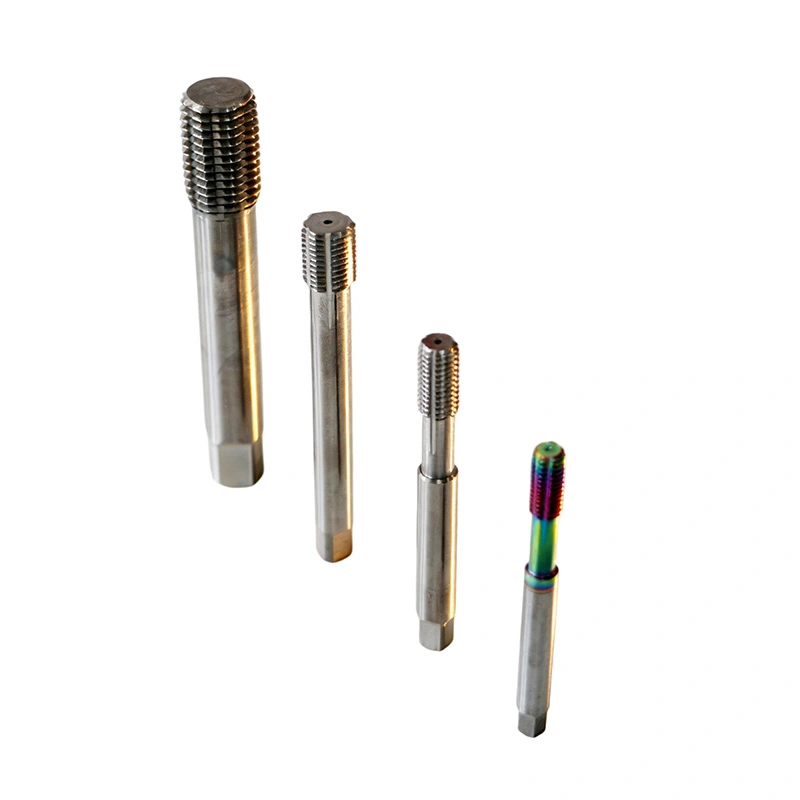
Precision Reaming Tools for CNC Hole Finishing
In the machining and metalworking industries, precision is paramount. Achieving accurate hole dimensions, smooth surface finishes, and extended tool life largely depends on specialized cutting tools. Reaming Tools play a crucial role, as they can machine holes with extremely small tolerances, making them particularly suitable for hole finishing. Unlike drilling, reaming is a precision machining process that further refines pre-drilled or bored holes to achieve precise diameters and a very smooth surface finish. WDF, as a professional cutting tool manufacturer in China, has extensive experience, and our products are nationally certified; you can purchase with confidence!
How much material should Reaming Tools remove?
The amount of material left during reaming is crucial. For good results, leave 0.1 mm to 0.4 mm of material allowance in the diameter. When Reaming Tool is working, the gap between it and the hole wall can't be too narrow. In that case, it's not actually "biting", but rather rubbing and grinding, resulting in the reamer itself becoming extremely sharp, and the hole wall becoming rough and uneven. Conversely, if the gap is too large, Reaming Tools have to exert excessive force, and if the cutting pressure is too high, it might break, and the hole will be crooked and uneven. Therefore, the appropriate gap size depends on the material being cut and the size of the hole
What are the optimal reaming speed and feed rate?
To achieve a good hole surface finish, the reaming speed is generally 1/2 to 2/3 of the drilling speed for the same material. For example, when machining low-carbon steel, a commonly used speed is 10-20 SFM. The feed rate must be positive and continuous, typically 2 to 3 times higher than the feed rate of a drill bit of the same size. A higher feed rate helps Reaming Tools "pull" itself through the workpiece, resulting in a better surface finish. A pecking feed is not recommended because it easily causes chatter and degrades the hole's surface finish. Always refer to the tool manufacturer's specifications to obtain the most accurate data.


- View as

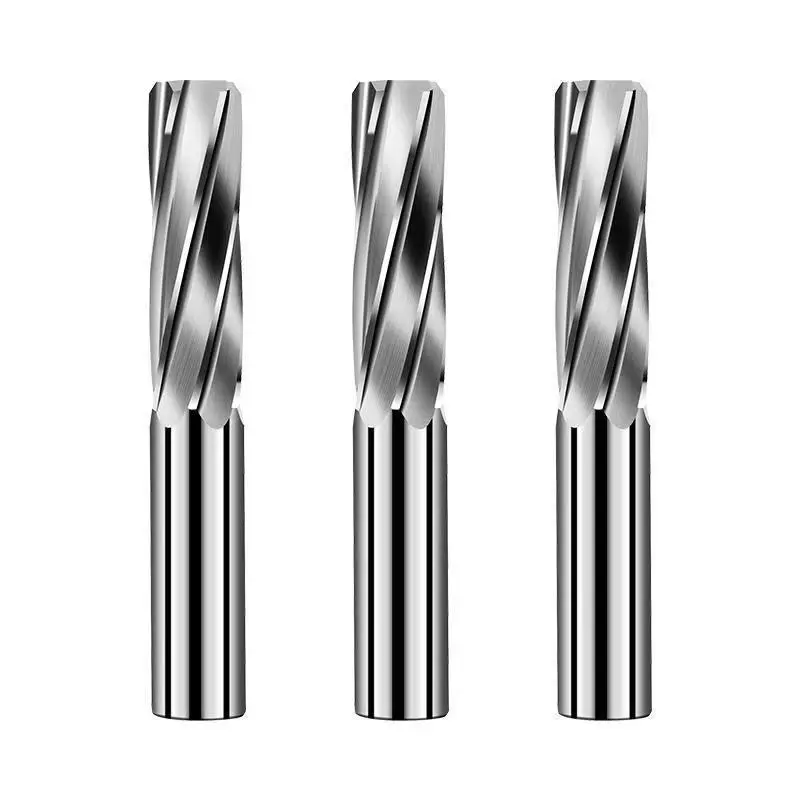
Spiral Flute Reamer
Spiral Flute Reamers from WDF are produced by a high-tech China manufacturer specializing in R&D, production, and sales. With over a decade of experience in precision tooling, our factory-level capabilities allow us to deliver customized solutions that enable faster, more accurate holemaking. Trusted by customers in automotive, aerospace, and precision machinery industries, WDF is a reliable supplier for high-quality, efficient machining tools.

Straight Flute Reamer
Straight Flute Reamers from WDF are produced by a leading China manufacturer specializing in CNC tooling. With years of experience, our factory-level capabilities and professional team ensure innovative technology and superior quality. As a trusted supplier, WDF continuously improves tool precision and performance, delivering high-quality solutions and excellent service to meet diverse customer needs.
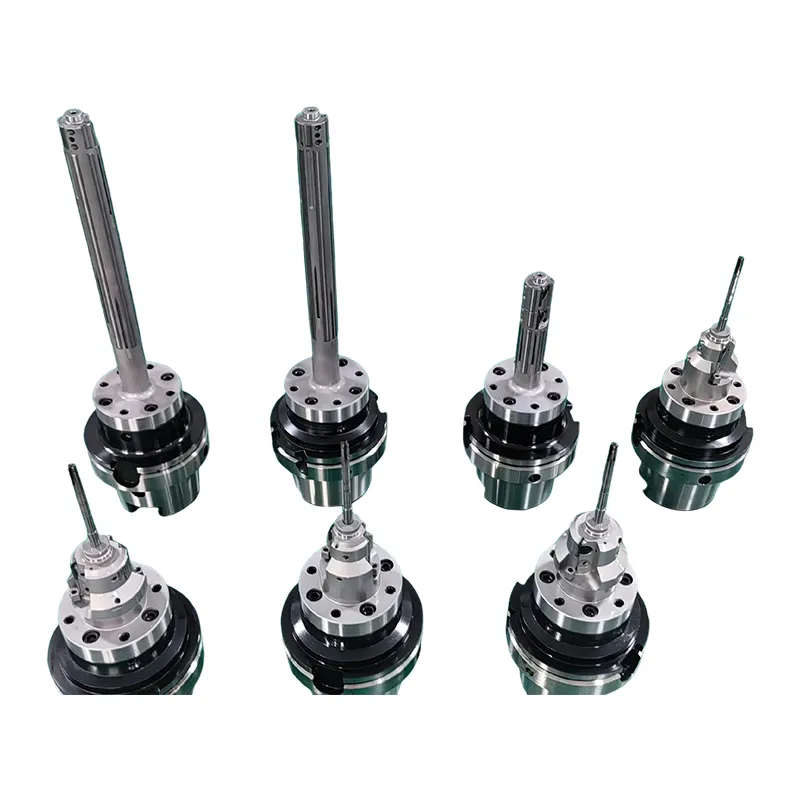
PCD Guide Bar Reamer
A leading China manufacturer and supplier, Wangdefu's PCD guide bar reamer combines an ultra-hard polycrystalline diamond cutting edge with a precision diamond guide bar, achieving IT5-IT6 tolerances and a mirror-like surface finish of Ra0.1-0.4μm. Specifically designed for machining large-diameter, long overhanging holes in non-ferrous metals and composite materials, it offers consistent accuracy, burr-free surfaces, and high throughput efficiency.

High-Performance Metal-Ceramic Reamers
High-Performance Metal-Ceramic Reamers from Wangdefu combine ceramic wear resistance with metal toughness for precision hole finishing. As a trusted China manufacturer and supplier with factory-level production, these reamers achieve IT6–IT7 tolerance and Ra0.2–0.6μm surface finish on carbon steel, stainless steel, mold steel, titanium, and more. Ideal for automotive, aerospace, and mold manufacturing, Wangdefu enables “reaming instead of grinding,” saving time while ensuring the highest quality standards.

Carbide High-Performance Reamers
Carbide High-Performance Reamers from Wangdefu provide precise hole machining for automotive, aerospace, and high-tech industries. As a reliable China manufacturer and factory with full production capabilities, we deliver durable, accurate, and smooth-cutting reamers. Trusted supplier of engineers and manufacturers, Wangdefu ensures consistent tolerances, improved efficiency, and reduced production risks across diverse materials including carbon steel, stainless steel, aluminum, and titanium alloys.
As a reliable Reaming Tools manufacturer and supplier in China, we have our own factory. If you want to buy high-quality CNC products, please contact us.