How Can Drilling Tools Improve Precision, Stability, and Cost Control in Modern Machining?
In machining, few things are more frustrating than watching a production plan fall apart because a hole is slightly off position, a tool wears too quickly, or a batch suddenly develops burrs and inconsistency. These problems often look small at first, but they quickly turn into scrap, downtime, rework, and delivery pressure. That is exactly why Drilling Tools matter far more than many buyers expect.
At Ningbo Wangdefu Precision Machinery Co.Ltd, the focus is not simply on making tools that can cut material. The real goal is to help manufacturers create holes with better dimensional consistency, cleaner surfaces, more stable cycle times, and lower overall machining risk. When we talk about choosing the right Drilling Tools, we are really talking about protecting production efficiency from the first part to the last.
Article Summary
This article explains what buyers and production teams should really look for when evaluating Drilling Tools. It covers common pain points such as tool wear, unstable hole quality, poor chip evacuation, heat buildup, and rising production cost. It also outlines how tool geometry, coating, coolant design, material compatibility, and supplier support influence machining results. If you want a practical guide to making better drilling decisions in automotive, aerospace, mold, robotics, and general precision manufacturing, this article will give you a clear framework.
Contents
- Outline
- Why do drilling tools affect more than just hole making?
- What production pain points do buyers face most often?
- How should drilling tools be selected for different machining tasks?
- Which tool features make the biggest difference in real production?
- What should a buyer compare before placing an order?
- Why does maintenance still matter even with high-performance tools?
- Why does supplier capability matter as much as tool design?
- FAQ
- Final Thoughts
Outline
- Define the practical role of Drilling Tools in modern machining
- Analyze the most common drilling-related production failures
- Explain how to match tool type with material, depth, speed, and tolerance
- Show the features that influence precision, stability, and tool life
- Provide a comparison table for buyers and sourcing teams
- Discuss maintenance and long-term cost control
- Explain why an experienced manufacturing partner reduces operational risk
Why do drilling tools affect more than just hole making?
Many people still think drilling is a basic process. In reality, it often determines whether the next process runs smoothly or not. If the hole position drifts, assembly becomes difficult. If the hole diameter is unstable, reaming or tapping results become unpredictable. If the surface finish is poor, fatigue performance and sealing reliability may suffer. One weak drilling operation can push problems downstream into the entire production chain.
That is why quality Drilling Tools are not just cutting accessories. They are process-control components. A well-designed drill can improve chip evacuation, reduce vibration, lower heat concentration, and maintain better dimensional consistency across repeated cycles. In mass production, those gains are not theoretical. They show up in machine uptime, reduced scrap, and fewer emergency adjustments on the shop floor.
For manufacturers working with stainless steel, alloy steel, cast iron, aluminum, or difficult-to-machine materials, drilling performance becomes even more sensitive. Hole depth, coolant delivery, spindle rigidity, feed rate, and material hardness all interact. A tool that performs well in one application may fail early in another. That is why the right Drilling Tools must be evaluated in a process-specific way, not as a generic catalog choice.
What production pain points do buyers face most often?
When buyers search for better drilling solutions, they are usually trying to solve one or more recurring workshop problems. Some are visible immediately, while others quietly increase cost over time.
- Short tool life: tools dull too fast, chip at the edge, or fail before the expected output is reached.
- Unstable hole diameter: the first batch is acceptable, but later parts begin drifting out of tolerance.
- Poor hole finish: rough walls, exit burrs, or inconsistent roundness create extra finishing work.
- Chip evacuation problems: chips clog the flute, scratch the hole, or trigger breakage in deeper drilling operations.
- Heat buildup: excessive cutting temperature damages the tool and affects dimensional control.
- High total production cost: cheap tools may seem attractive at purchase stage but increase replacement frequency, downtime, and rejection rates.
These issues are especially costly in industries where repeatability matters. In automotive and robotics manufacturing, one unstable process can disrupt assembly efficiency. In aerospace or mold work, tighter tolerances leave very little room for drilling variation. In all of these cases, the decision is not just about buying a tool. It is about protecting throughput and quality consistency.
The most expensive drilling tool is not the one with the highest unit price. It is the one that creates hidden losses through unstable production, rework, machine stoppage, and early failure.
How should drilling tools be selected for different machining tasks?
A good selection process starts with the application, not the product brochure. Buyers should first define what kind of hole they need, what material they are cutting, what machine conditions are available, and what production volume is expected. Only then can the most suitable Drilling Tools be identified.
Here are the main questions I would always ask before confirming a drilling solution:
- What material is being machined, and how stable is its hardness?
- Is the hole shallow, standard depth, or deep hole?
- Is the process focused on speed, accuracy, surface quality, or tool economy?
- Does the machine support internal coolant?
- Is the drilling operation standalone, or does it need to prepare for reaming, boring, or tapping?
- Is the part value high enough that failure risk must be minimized at all cost?
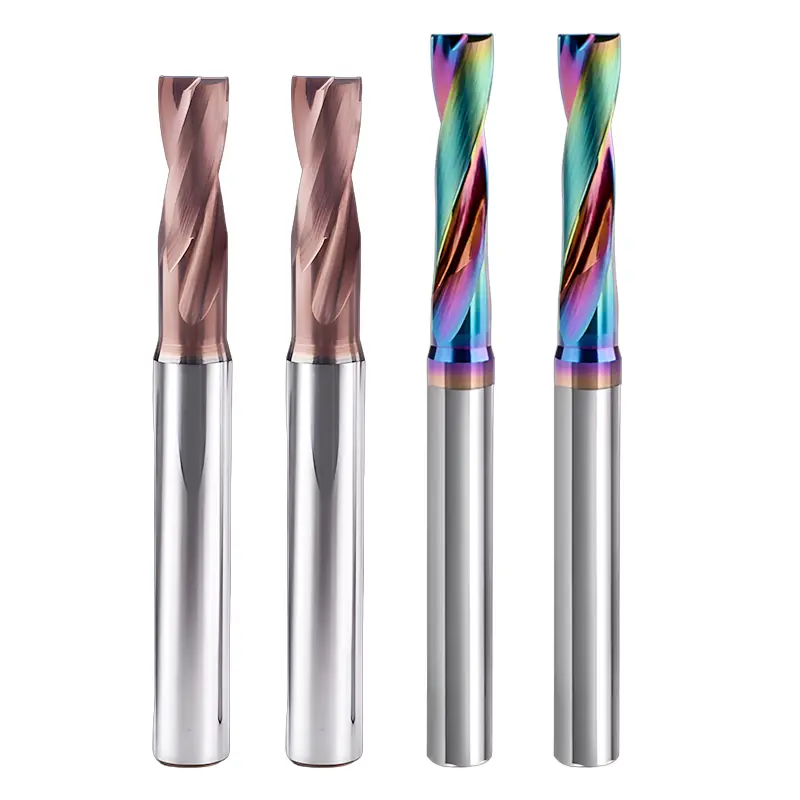
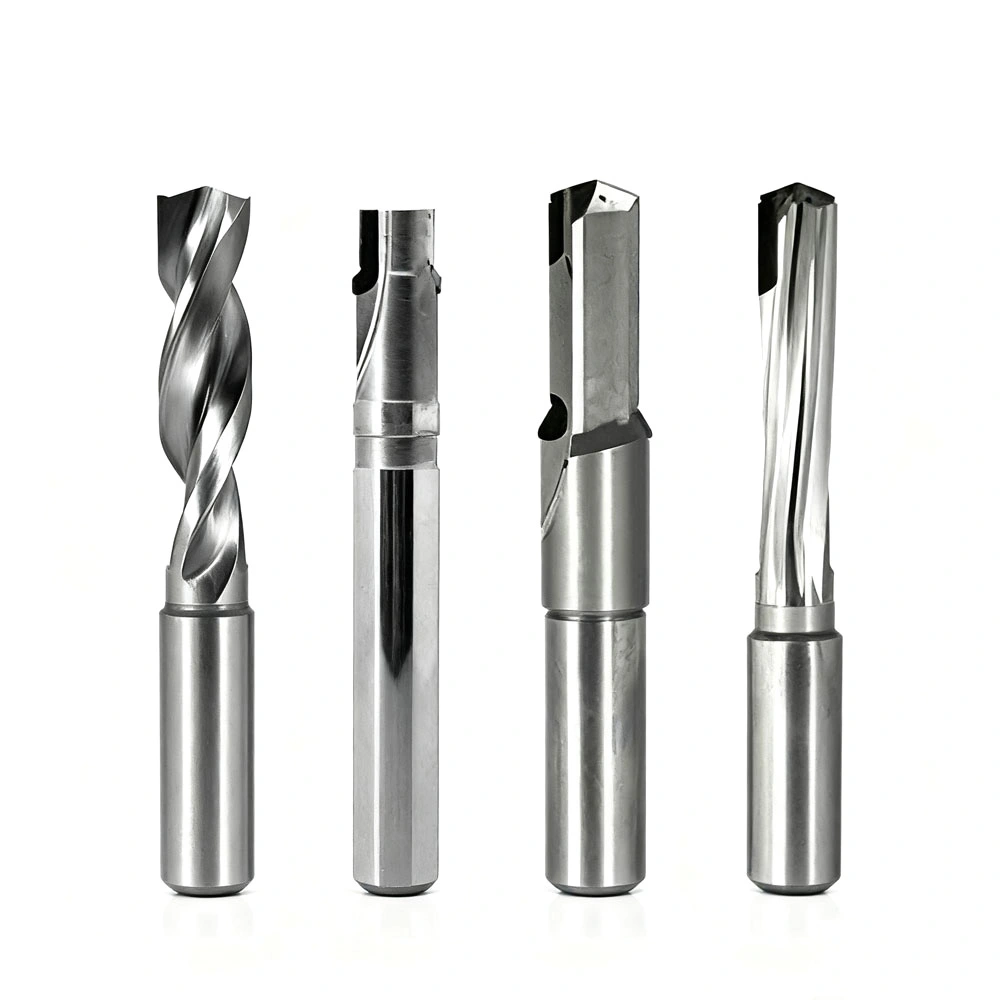
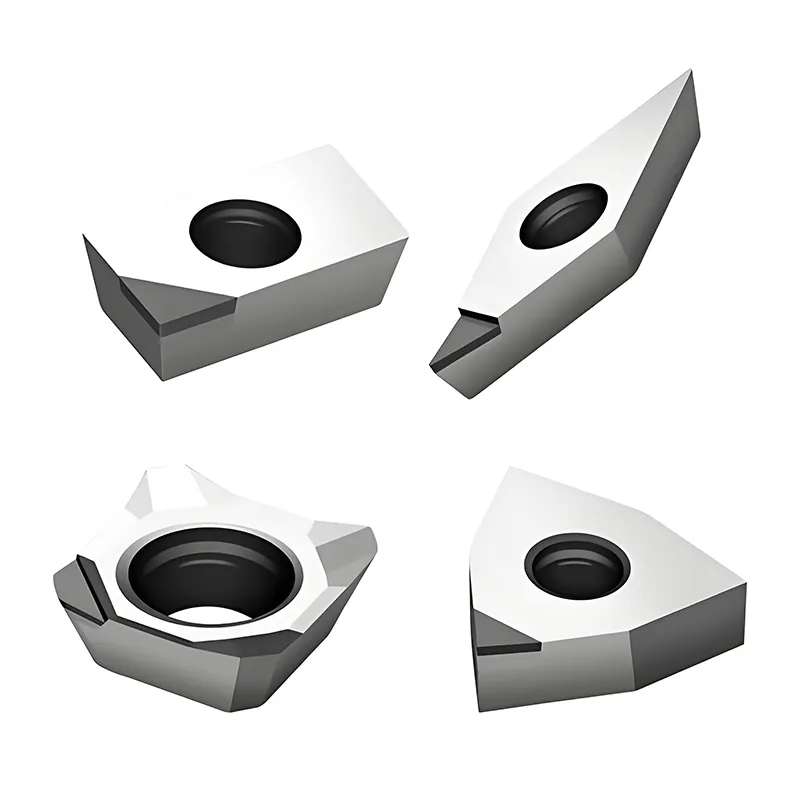
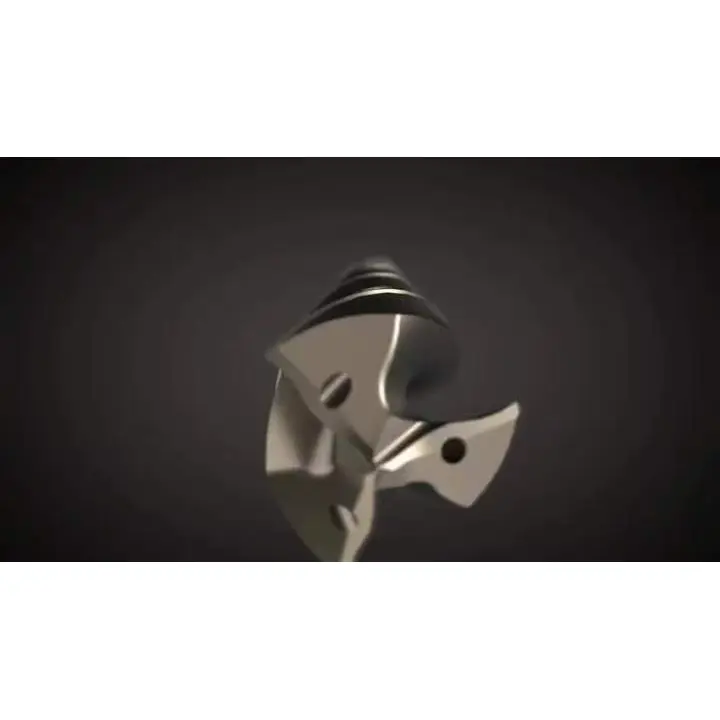
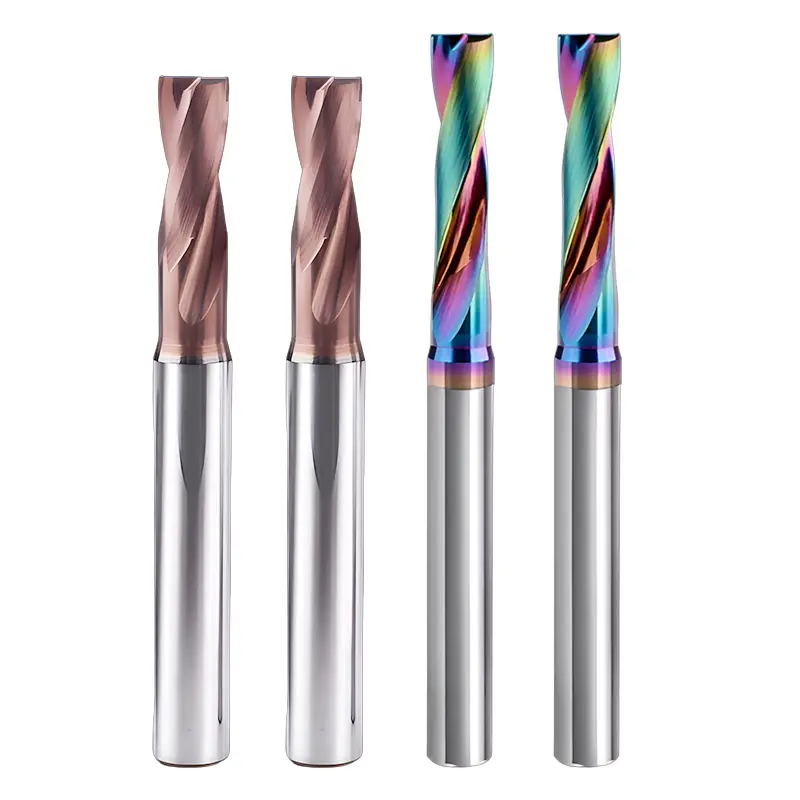
For example, a general carbide twist drill may work very well for many standard hole-making tasks, especially where balanced performance is needed. A deep hole drill becomes more appropriate when chip evacuation and straightness are critical over longer drilling distances. An indexable flathead drill may offer economic advantages in certain high-volume applications, while a triple-flute internal-cooling carbide drill can provide stronger performance in precision machining environments that demand better hole quality and thermal control.
In other words, smart selection is about matching tool design to real cutting conditions. That is where experienced manufacturers such as Ningbo Wangdefu Precision Machinery Co.Ltd can add value, because tool recommendations need to reflect application logic, not just item availability.
Which tool features make the biggest difference in real production?
When a drilling tool performs well, the success usually comes from several design elements working together. Buyers sometimes focus only on substrate or price, but actual drilling performance depends on a broader combination of factors.
- Tool material: carbide tools are widely valued for wear resistance, rigidity, and stable cutting performance in precision environments.
- Geometry: point angle, flute shape, margin design, and helix structure all affect penetration, chip control, and hole quality.
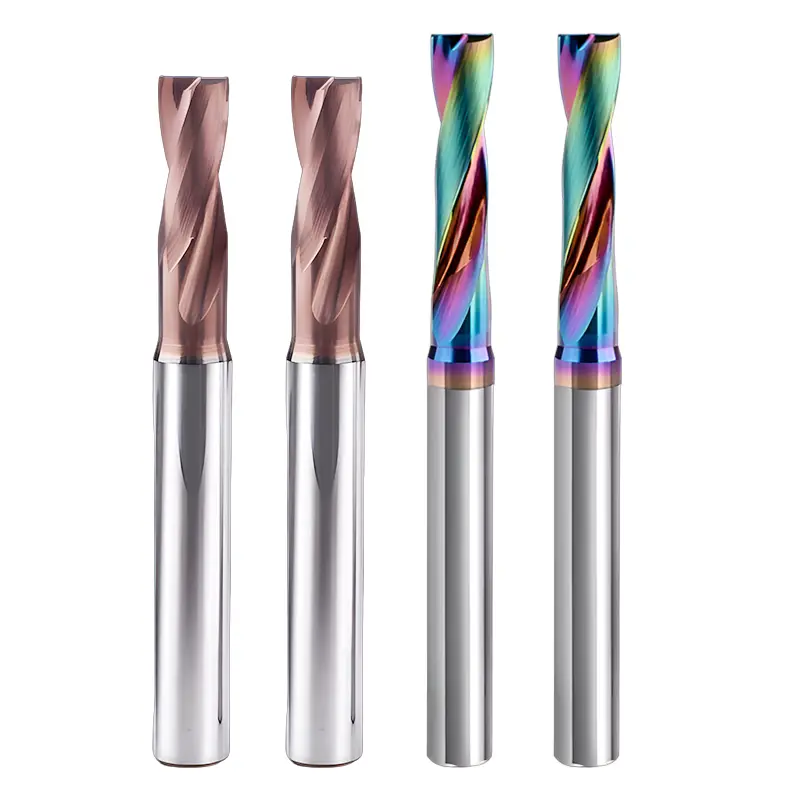
- Coating: the right coating can reduce friction, improve heat resistance, and help extend service life.
- Internal coolant design: this becomes particularly important when drilling deeper holes or processing tough materials at higher speeds.
- Rigidity and balance: a stable tool body reduces vibration and improves repeatability over long production runs.
- Application fit: even an excellent drill will perform poorly if it does not match machine capability and workpiece material.
This is also why standardization alone is not always enough. Some customers need non-standard customization to meet specific hole dimensions, special material conditions, or unusual part structures. In those cases, the ability to adapt geometry and design details becomes a real competitive advantage.
What should a buyer compare before placing an order?
| Evaluation Factor | Why It Matters | What Buyers Should Check |
|---|---|---|
| Material Compatibility | Different workpiece materials demand different cutting behavior | Ask whether the tool is optimized for steel, stainless steel, cast iron, aluminum, or mixed-use production |
| Hole Depth Capability | Deeper holes increase chip evacuation and heat control challenges | Confirm recommended drilling depth ratio and coolant requirements |
| Dimensional Stability | Stable diameter and hole position reduce downstream rework | Review tolerance performance and production repeatability |
| Tool Life | Longer life lowers replacement frequency and downtime | Compare expected service cycles, wear behavior, and regrind options if applicable |
| Cooling Performance | Heat control directly affects surface finish and edge durability | Check internal coolant design and recommended cutting parameters |
| Supplier Support | Technical guidance reduces trial-and-error cost | Ask about application advice, customization, and responsiveness after order placement |
Why does maintenance still matter even with high-performance tools?
Even the best Drilling Tools cannot compensate for careless handling. In many factories, premature tool failure is not caused only by poor tool design. It is caused by chips left on the edge, unstable clamping, poor coolant condition, excessive feed, improper storage, or delayed inspection after visible wear has already started.
A practical maintenance routine does not have to be complicated. It just needs to be consistent:
- Clean tools after use so chips and residue do not damage the cutting edge
- Inspect wear patterns regularly rather than waiting for sudden breakage
- Store tools in a dry, organized environment to prevent accidental edge damage
- Use appropriate cutting parameters instead of forcing output through overload
- Check coolant condition and delivery stability, especially in demanding operations
Good maintenance protects more than the tool itself. It protects process stability. The more precise your machining requirements are, the more important disciplined handling becomes.
Why does supplier capability matter as much as tool design?
Buyers are not only purchasing hardware. They are choosing whether their supplier understands machining reality. A supplier with real manufacturing experience can help identify whether the issue comes from geometry, material mismatch, coolant limitation, machine rigidity, or application strategy. That kind of support shortens the path to a reliable solution.
Ningbo Wangdefu Precision Machinery Co.Ltd brings value here because the company is involved in precision tooling and machining-oriented product development rather than treating drilling tools as interchangeable commodity items. That difference matters when customers need better control over deep hole drilling, small hole precision, hole finish, or stable performance in industries such as automotive, robotics, aerospace, and mold manufacturing.
A capable supplier should be able to do more than quote a price. They should be able to discuss application details, suggest suitable tool structures, support non-standard needs, and help customers balance precision, durability, and cost. That is the kind of relationship that turns sourcing into long-term process improvement.
FAQ
What are drilling tools mainly used for in precision machining?
They are used to create accurate holes for assembly, fastening, fluid passage, positioning, and further finishing operations. In precision manufacturing, they also help control dimensional consistency and production stability.
How do I know whether I need standard or customized drilling tools?
If your material, hole size, hole depth, tolerance requirement, or production condition is unusual, customized solutions may offer better long-term value than forcing a standard tool into a difficult application.
Why do some drilling tools fail much faster than expected?
Common reasons include material mismatch, incorrect speed and feed, poor coolant delivery, weak clamping, chip congestion, or using a tool geometry not suited to the application.
Are carbide drilling tools always the best option?
Not always in every scenario, but they are widely preferred in many precision applications because of their wear resistance, rigidity, and ability to support efficient, stable machining.
What should I send a supplier before asking for a recommendation?
It is best to provide workpiece material, hardness range, hole diameter, hole depth, machine type, spindle condition, coolant method, target tolerance, and expected production volume.
What should buyers remember before making a final decision?
If I had to reduce the whole discussion to one practical takeaway, it would be this: choosing Drilling Tools should never be based on unit price alone. The right tool protects precision, tool life, process stability, and delivery reliability all at once. The wrong tool quietly increases cost in ways that are far more damaging than a higher purchase price.
That is why buyers who care about long-term machining performance should look beyond the catalog photo and ask deeper questions about application fit, hole quality, cooling method, material behavior, and supplier support. When those factors are aligned, drilling becomes smoother, more predictable, and far more economical.
If you are looking for reliable, high-performance Drilling Tools for precision manufacturing, Ningbo Wangdefu Precision Machinery Co.Ltd is ready to support your project with practical product knowledge and tailored solutions. Whether you need standard options or custom support for demanding machining conditions, contact us to discuss your application and find the right drilling solution for your production goals.
Related News
- How Can a PCD Non Standard Forming Cutter Transform High-Precision Machining
- High-Performance Aluminum Alloys Continue to Evolve as Demand for Precision Aerospace Machining Grows
- How Can CNC Blades Improve Machining Accuracy and Tool Life?
- What Makes CNC Machined Prototypes for Automotive Parts Worth Choosing Before Production?
- How Can Non-standard Custom Tools Solve Real Machining Problems Better Than Standard Tools?
- How Do CNC Tool Holders Affect Real Machining Results?
Leave me a message