Reaming is a critical finishing process in precision machining that ensures accurate hole diameters and superior surface finishes. Achieving optimal speeds and feeds is key to maximizing tool life, minimizing errors, and improving production efficiency. This article dives deep into understanding the correct speed and feed parameters for various materials, types of reamers, and machining conditions, with insights into WDF's precision reaming tools.
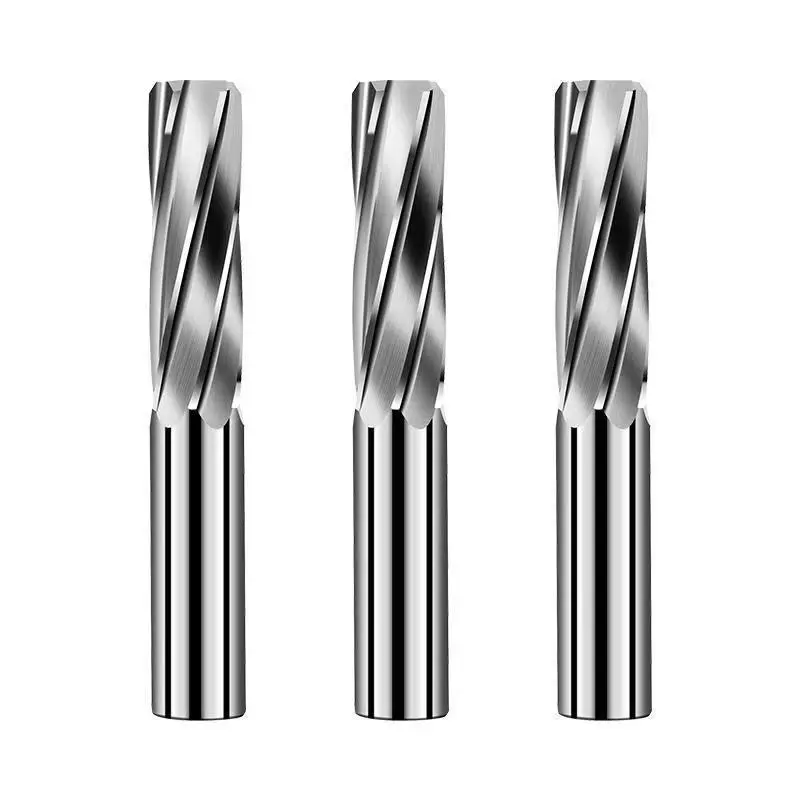
Table of Contents
Why Speeds and Feeds Matter in Reaming
Reaming is more than just enlarging a pre-drilled hole. The process is highly sensitive to cutting parameters, including spindle speed and feed rate. Incorrect speeds or feeds can cause:
- Premature tool wear or breakage
- Poor surface finish or roughness
- Dimensional inaccuracies
- Chatter and vibrations
Choosing the correct parameters ensures that the reamer performs efficiently while extending tool life. WDF’s precision reaming tools are engineered to deliver consistent results when operated within recommended speeds and feeds.
Which Factors Influence Reaming Speeds and Feeds?
The optimal speed and feed of a reamer depend on several interrelated factors:
- Material of Workpiece: Harder materials require slower speeds to prevent tool wear.
- Reamer Material and Coating: HSS, carbide, and coated reamers can tolerate different cutting conditions.
- Hole Depth: Deep holes may require reduced feed and specific flute geometry to evacuate chips efficiently.
- Machine Rigidity: Less rigid machines may require reduced feed rates to prevent vibration and chatter.
- Desired Surface Finish: Higher surface finish demands may necessitate slower speeds and precise feed control.
Understanding these factors allows machinists to select the most appropriate speeds and feeds for consistent high-quality results.
Optimal Speeds and Feeds for Different Materials
The following table provides general guidelines for reaming common workpiece materials using standard HSS and carbide reamers:
| Material | Recommended Speed (SFM) | Feed Rate (inch/rev) | Notes |
|---|---|---|---|
| Aluminum & Soft Alloys | 50-150 | 0.003-0.006 | Use light lubrication for best finish |
| Low-Carbon Steel | 20-40 | 0.002-0.004 | Standard straight or spiral reamer works well |
| Stainless Steel | 15-25 | 0.002-0.003 | Use coated carbide reamers to reduce heat |
| Cast Iron | 30-50 | 0.003-0.005 | Prefer spiral flutes for chip evacuation |
| Titanium Alloys | 10-20 | 0.001-0.003 | Lower feeds to prevent tool wear and overheating |
These values serve as a starting point. Fine-tuning based on specific machines and tooling is recommended for optimal results.
How Do Reamer Types Affect Speeds and Feeds?
Reamer design directly impacts how you should set speed and feed parameters. Main types include:
- Straight Flute Reamers: Generally slower feeds; best for soft to medium materials. Limited chip evacuation means conservative speeds.
- Spiral Flute Reamers: Improved chip removal allows slightly higher feeds and speeds. Ideal for deep holes and tougher materials.
- Expansion Reamers: Adjustable diameter demands precise feed control to maintain tolerance and surface finish.
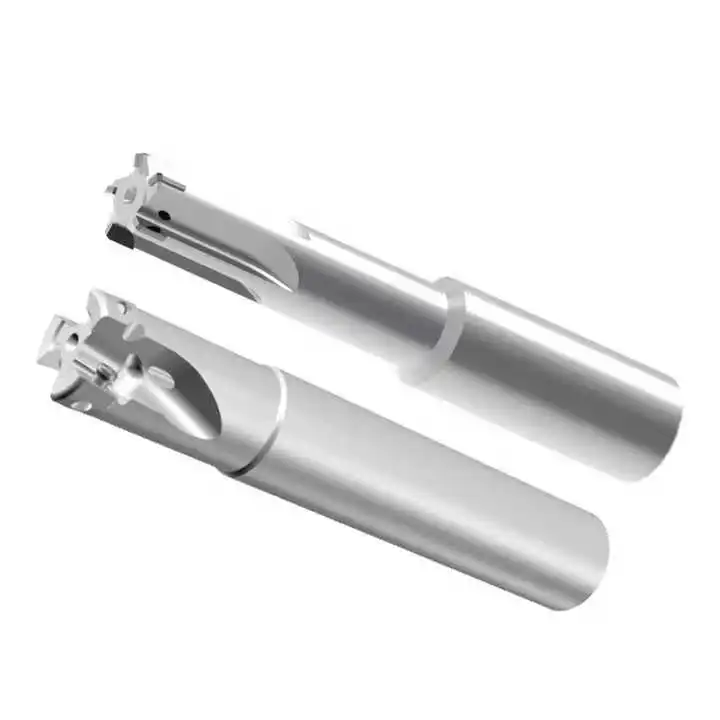
WDF offers all major reamer types, designed with optimized flute geometry to support recommended speed and feed parameters. Learn more at WDF Reaming Tools.
Best Practices to Optimize Tool Performance
Even with the correct speed and feed, additional steps can improve reaming efficiency:
- Use appropriate cutting fluids to reduce heat and friction
- Ensure the pre-drilled hole is within recommended undersize (typically 0.1-0.3 mm smaller than final diameter)
- Secure workpieces properly to prevent vibration
- Inspect reamers regularly for wear, chipping, or dulling
- Follow WDF's recommended operating parameters for specific reamers and materials
Applying these best practices ensures maximum tool life, consistent hole accuracy, and superior surface finishes.
Frequently Asked Questions (FAQ)
1. Can I increase feed rates to reduce machining time?
Yes, but only within manufacturer-recommended limits. Exceeding feed rates can cause chatter, tool breakage, or poor surface finish.
2. How do coated reamers affect speed and feed?
Coatings like TiN or TiAlN allow slightly higher speeds and feeds, reduce wear, and improve performance on harder materials.
3. Are there universal speed and feed settings for all reamers?
No. Settings depend on material, hole depth, reamer type, and machine rigidity. Always refer to the tooling guidelines.
4. How do I know if my reamer is cutting too fast?
Signs include excessive heat, burning marks on the workpiece, rough surface finish, or unusual noise and vibration.
5. Why choose WDF reaming tools?
WDF delivers precision-engineered reamers suitable for diverse materials and machining conditions. Their tools ensure dimensional accuracy, smooth surface finishes, and extended tool life.
Optimizing speeds and feeds for reaming tools is crucial to achieving precision, efficiency, and tool longevity. By understanding material properties, reamer types, and machine conditions, machinists can fine-tune parameters for the best results. WDF’s precision reaming tools are engineered to perform reliably across various materials and applications. Contact us today to explore our full range of reaming tools and enhance your machining processes.