What Are CNC Valve Blocks and Why Do They Matter?
In modern hydraulic and pneumatic systems, CNC valve blocks play a key role in controlling fluid power. This article explores what CNC valve blocks are, how they are manufactured, why they are essential, which industries rely on them, what materials are used, and how to select high‑quality components.

Table of Contents
What Is a CNC Valve Block?
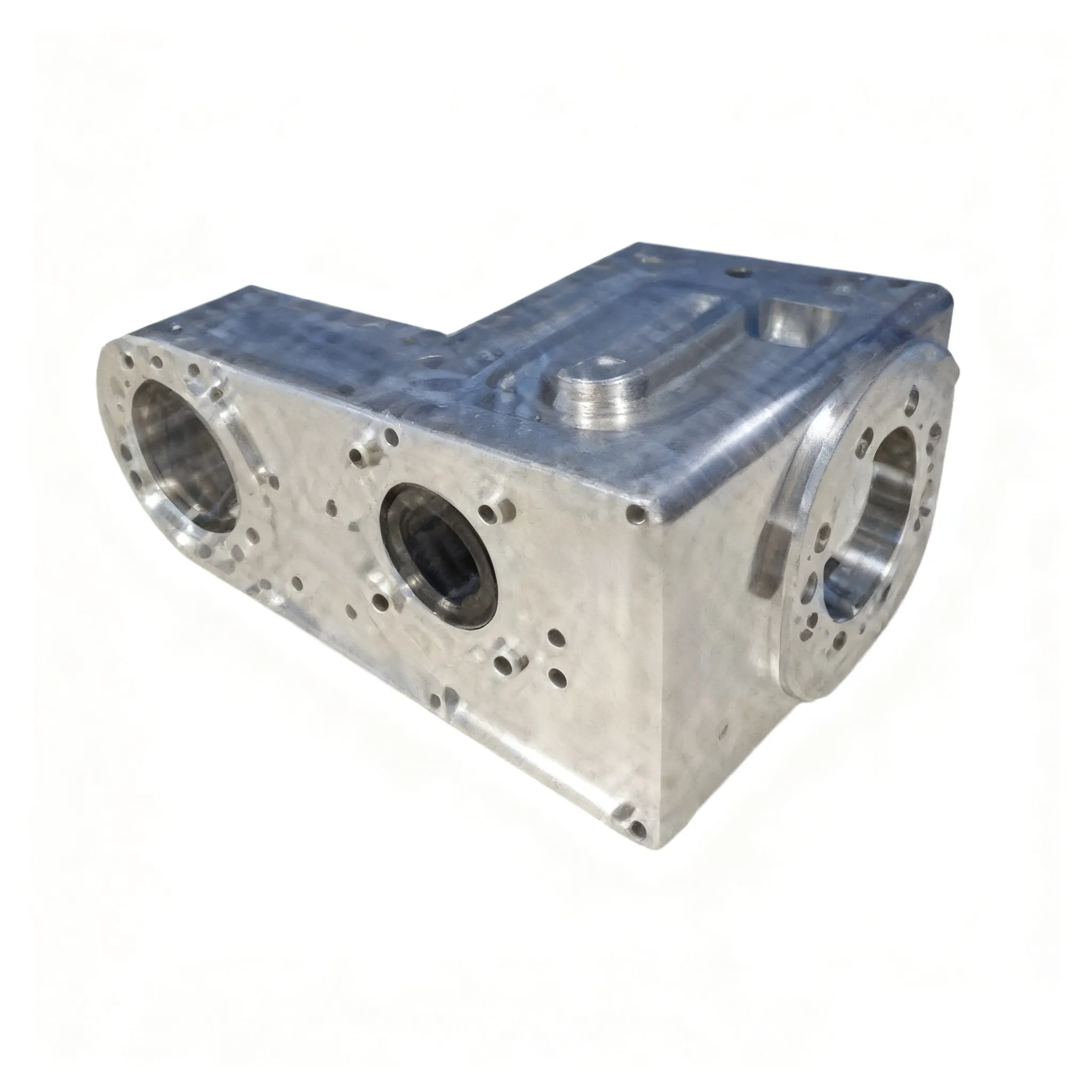
A CNC Valve Block is a precision‑machined hydraulic or pneumatic manifold that integrates multiple valves and fluid passages into a single, compact assembly. It serves as a central hub for directing fluid flow, pressure regulation, and control logic in complex systems.
Valve blocks reduce the need for external tubing, connectors, and potential leak points, making systems more reliable and efficient.
How Are CNC Valve Blocks Manufactured?
Manufacturing CNC valve blocks involves high‑precision computer‑controlled machining processes, typically using multi‑axis CNC milling and drilling centers. The key steps include:
- Design & Simulation: Engineers use CAD/CAM software to model the valve block and simulate fluid flow.
- Material Selection: Tough materials like aluminum, steel, or stainless steel are chosen based on pressure and environment.
- CNC Machining: Multi‑axis CNC machines cut and drill complex internal channels with micron‑level accuracy.
- Deburring & Finishing: Internal burrs are removed and surfaces are finished to precise tolerances.
- Inspection & Testing: Each block is quality‑checked with CMM (Coordinate Measuring Machines) and pressure tested.
| Step | Description | Outcome |
|---|---|---|
| Design & Simulation | CAD/CAM modeling | Optimized fluid paths |
| Material Prep | Select alloy and stock | Structural integrity |
| CNC Machining | Precision cutting | Complex internal geometry |
| Inspection | CMM & pressure tests | Verified quality |
Why Are CNC Valve Blocks Important?
CNC valve blocks are essential because they:
- Reduce system complexity and leak points.
- Improve response time due to shorter fluid paths.
- Enable modular and compact system designs.
- Support complex control logic in one integrated component.
These features are vitally important in industrial automation, aerospace, automotive testing rigs, and mobile hydraulic machinery.
Which Industries Use CNC Valve Blocks?
CNC Valve Blocks are used across diverse sectors, including:
- Manufacturing: Press automation and robotic grippers.
- Aerospace: Landing gear actuation and flight control systems.
- Oil & Gas: High‑pressure control in drilling equipment.
- Automotive: Test benches and assembly line hydraulics.
What Materials Are Used in CNC Valve Blocks?
The material choice is driven by required mechanical properties, corrosion resistance, and cost. Common materials include:
| Material | Properties | Typical Use Case |
|---|---|---|
| Aluminum | Lightweight, good machinability | Low‑to‑medium pressure systems |
| Carbon Steel | High strength, cost‑effective | Industrial hydraulics |
| Stainless Steel | Corrosion resistance | Marine and food industry |
How to Choose Quality CNC Valve Blocks?
When selecting a CNC valve block for a critical application, consider:
- Precision Tolerances: Tight internal channel alignment.
- Material Certification: Verified mechanical properties.
- Testing & Documentation: Pressure ratings and traceability.
- Supplier Reputation: Established manufacturers like Ningbo Wonderful Numerical Control Technology Co.,Ltd. with proven field performance.
High quality components reduce downtime and improve long‑term reliability.
Frequently Asked Questions
What defines a CNC valve block?
A CNC valve block is a precision‑machined manifold that integrates multiple fluid control valves and passages into a single compact unit designed to optimize fluid routing in hydraulic or pneumatic systems with high accuracy and minimal leakage.
How does CNC machining improve valve block quality?
CNC machining offers micron‑level control, consistent feature replication, and repeatability, ensuring that internal channels and ports meet exact specifications, which is critical for leak‑free performance and system efficiency.
Why choose advanced materials like stainless steel for valve blocks?
Stainless steel provides high corrosion resistance and mechanical strength, making it ideal for harsh environments such as marine or chemical processing, where long‑term durability is essential.
Which industries benefit the most from CNC valve blocks?
Industries such as aerospace, automotive testing, industrial automation, and oil & gas benefit significantly because these applications require compact, reliable, and precisely controlled fluid systems.
What should be considered when selecting a CNC valve block supplier?
Key factors include proven manufacturing expertise, material traceability, quality control systems (e.g., ISO certification), responsiveness to custom designs, and documented field performance. Suppliers like Ningbo Wonderful Numerical Control Technology Co.,Ltd. are recognized for their industry experience and quality assurance practices.
References
- Hydraulic Valve Manifold Design Principles — Engineering Handbook.
- Fluid Power Systems and Controls — John S. Cundiff, McGraw‑Hill.
Related News
- How Can a PCD Non Standard Forming Cutter Transform High-Precision Machining
- High-Performance Aluminum Alloys Continue to Evolve as Demand for Precision Aerospace Machining Grows
- How Can CNC Blades Improve Machining Accuracy and Tool Life?
- What Makes CNC Machined Prototypes for Automotive Parts Worth Choosing Before Production?
- How Can Non-standard Custom Tools Solve Real Machining Problems Better Than Standard Tools?
- How Can Drilling Tools Improve Precision, Stability, and Cost Control in Modern Machining?
Leave me a message