Why Are PCD Inserts the Ultimate Choice for High-Precision Machining
Article Summary: PCD inserts have become a cornerstone of modern precision machining, especially in industries demanding high accuracy, long tool life, and exceptional surface finishes. This in-depth guide explores what PCD inserts are, how they work, their advantages over traditional cutting tools, key applications, selection tips, and why manufacturers worldwide trust PCD inserts for high-volume and high-precision machining. Whether you are machining aluminum, copper, composites, or non-ferrous alloys, this article will help you understand why PCD inserts are often the ultimate solution.
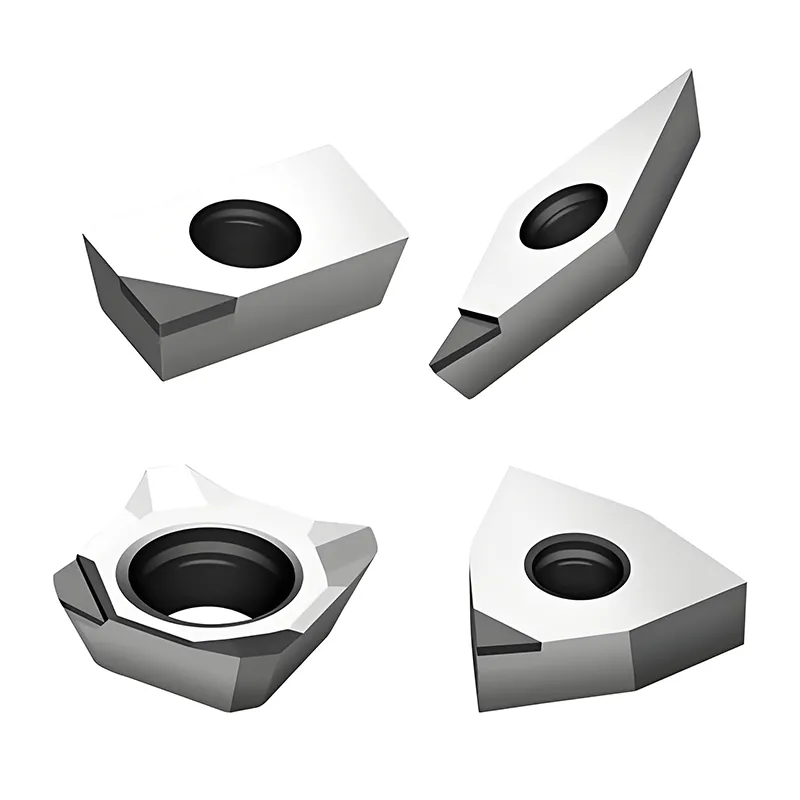
Table of Contents
- What Are PCD Inserts?
- How Do PCD Inserts Work?
- PCD Inserts vs. Carbide Inserts
- Key Benefits of PCD Inserts
- Common Applications of PCD Inserts
- Material Compatibility
- How to Choose the Right PCD Inserts
- Cost Efficiency and ROI
- Why Manufacturers Trust WDF PCD Inserts
- Frequently Asked Questions
What Are PCD Inserts?
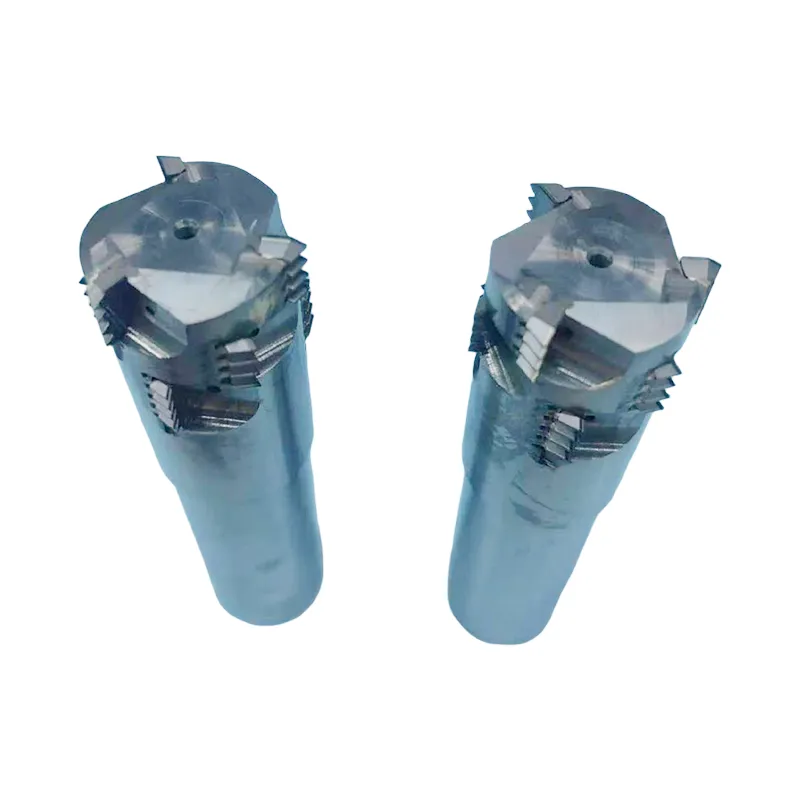
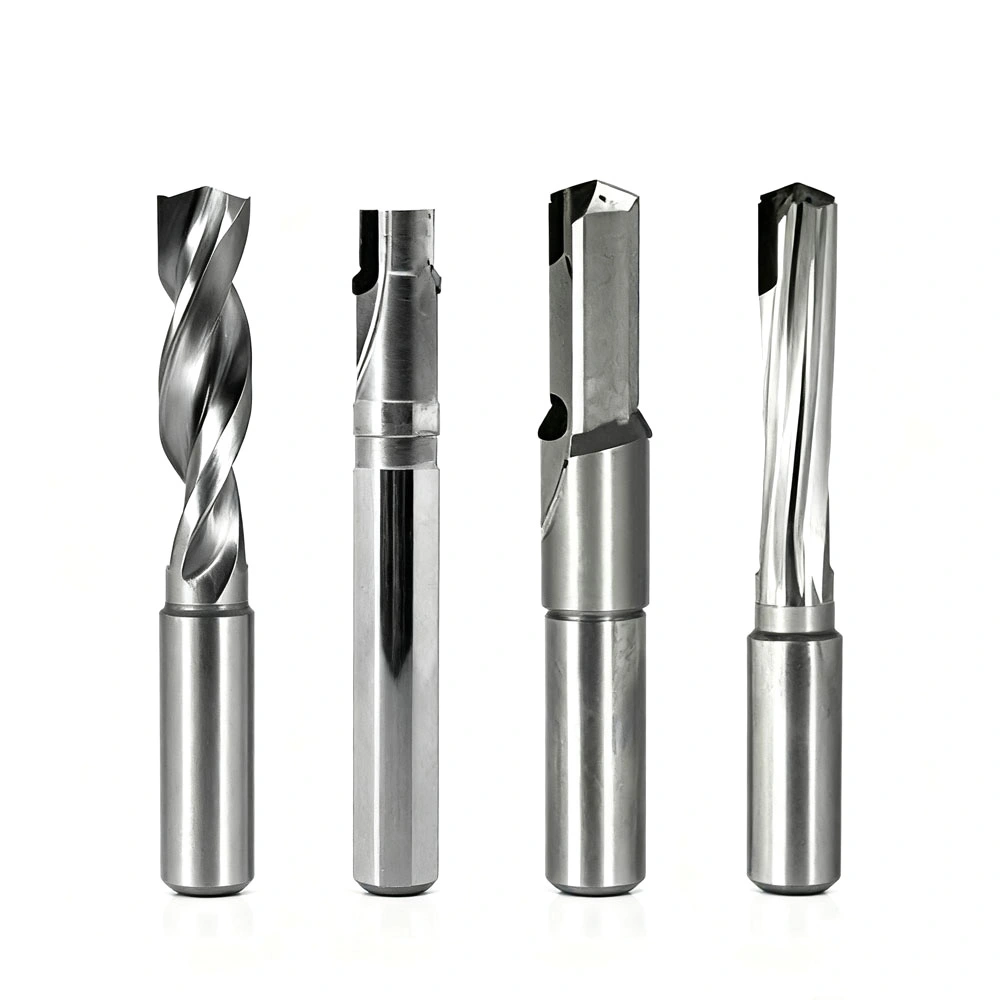
PCD inserts are cutting tool inserts made from Polycrystalline Diamond (PCD), a synthetic diamond material formed by sintering diamond particles together under extremely high pressure and temperature. The result is an ultra-hard, wear-resistant cutting material bonded to a carbide substrate.
Unlike natural diamond, PCD offers consistent grain structure and predictable performance, making it ideal for industrial machining environments. Due to its extreme hardness and thermal conductivity, PCD inserts are widely used in high-speed, high-precision machining operations.
To better understand the structure and manufacturing of PCD inserts, you can explore this detailed resource on PCD inserts.
How Do PCD Inserts Work?
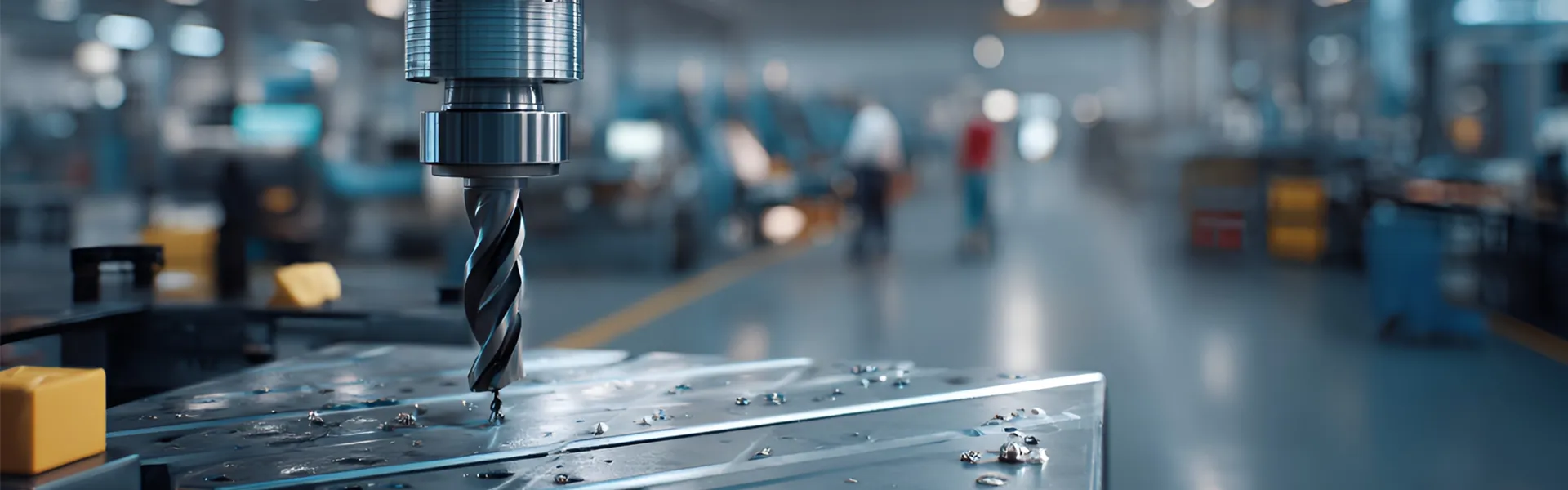
PCD inserts work by leveraging the unmatched hardness of diamond to resist abrasion during cutting. When machining non-ferrous metals or abrasive materials, traditional tools tend to wear quickly. PCD inserts, however, maintain a sharp cutting edge for significantly longer periods.
- High thermal conductivity dissipates heat quickly
- Low coefficient of friction reduces cutting forces
- Extremely high wear resistance minimizes edge degradation
These characteristics allow PCD inserts to perform exceptionally well in continuous cutting operations, especially at high spindle speeds.
PCD Inserts vs. Carbide Inserts
| Feature | PCD Inserts | Carbide Inserts |
|---|---|---|
| Hardness | Extremely High (Second only to diamond) | High |
| Tool Life | 10–50× longer | Moderate |
| Best Materials | Aluminum, copper, composites | Steel, cast iron |
| Surface Finish | Excellent | Good |
| Cost | Higher initial cost | Lower initial cost |
While carbide inserts remain suitable for ferrous materials, PCD inserts clearly dominate when machining non-ferrous and abrasive materials.
Key Benefits of PCD Inserts
- Exceptional Tool Life – Reduced tool changes and downtime
- Superior Surface Finish – Ideal for visible or precision parts
- High-Speed Machining Capability – Increased productivity
- Consistent Quality – Stable cutting edges for long runs
- Lower Overall Manufacturing Cost – Despite higher upfront price
Common Applications of PCD Inserts
PCD inserts are widely used across industries where precision and efficiency are critical:
- Automotive engine components
- Aerospace structural parts
- Electronics housings
- Medical device components
- High-volume CNC machining
Material Compatibility
PCD inserts perform best when machining:
- Aluminum alloys
- Copper and brass
- Magnesium alloys
- Carbon fiber reinforced plastics (CFRP)
- Graphite and composite materials
Note: PCD inserts are not recommended for ferrous materials due to chemical affinity between iron and carbon at high temperatures.
How to Choose the Right PCD Inserts
When selecting PCD inserts, consider the following factors:
- Workpiece material type
- Cutting speed and feed rate
- Required surface finish
- Insert geometry and edge preparation
- Machine rigidity and stability
Working with an experienced supplier like WDF ensures optimal insert design and application-specific performance.
Cost Efficiency and ROI
Although PCD inserts have a higher purchase price, their long lifespan and productivity gains often result in a lower cost per part. Benefits include:
- Reduced tool replacement frequency
- Shorter cycle times
- Lower scrap rates
- Minimal machine downtime
For high-volume production, the return on investment (ROI) of PCD inserts can be substantial.
Why Manufacturers Trust WDF PCD Inserts
WDF specializes in precision machining solutions and offers high-quality PCD inserts designed for demanding industrial applications. With advanced manufacturing processes, strict quality control, and application-specific customization, WDF helps manufacturers achieve consistent, high-performance machining results.
By partnering with WDF, customers gain access to technical expertise, reliable tooling, and tailored solutions that enhance productivity and competitiveness.
Frequently Asked Questions (FAQ)
Are PCD inserts suitable for steel machining?
No. PCD inserts are not recommended for ferrous materials due to chemical wear mechanisms.
How long do PCD inserts last?
Depending on the application, PCD inserts can last 10 to 50 times longer than carbide inserts.
Can PCD inserts be reconditioned?
Yes. PCD inserts can often be re-sharpened, further extending their service life.
Are PCD inserts worth the cost?
For non-ferrous and high-volume machining, PCD inserts usually offer a lower cost per part despite higher initial investment.
Conclusion:
PCD inserts represent the pinnacle of cutting tool technology for non-ferrous and abrasive material machining. Their unmatched durability, precision, and efficiency make them an essential choice for manufacturers seeking superior performance.
If you are looking to upgrade your machining efficiency and surface quality with premium PCD inserts, contact us today and let WDF help you find the perfect cutting solution for your application.
Related News
- How Can a PCD Non Standard Forming Cutter Transform High-Precision Machining
- High-Performance Aluminum Alloys Continue to Evolve as Demand for Precision Aerospace Machining Grows
- How Can CNC Blades Improve Machining Accuracy and Tool Life?
- What Makes CNC Machined Prototypes for Automotive Parts Worth Choosing Before Production?
- How Can Non-standard Custom Tools Solve Real Machining Problems Better Than Standard Tools?
- How Can Drilling Tools Improve Precision, Stability, and Cost Control in Modern Machining?
Leave me a message