How to Select CNC Tool Holders for Different CNC Machining Applications
CNC tool holders play a critical role in machining accuracy, surface finish, tool life, and overall production efficiency. However, many manufacturers underestimate their impact and choose tool holders based solely on price or availability. In this in-depth guide, we explore how to select the right CNC tool holders for different machining applications, materials, and production goals. Drawing on real-world machining experience and industry best practices, this article helps engineers, buyers, and decision-makers make informed choices that improve performance and reduce long-term costs.
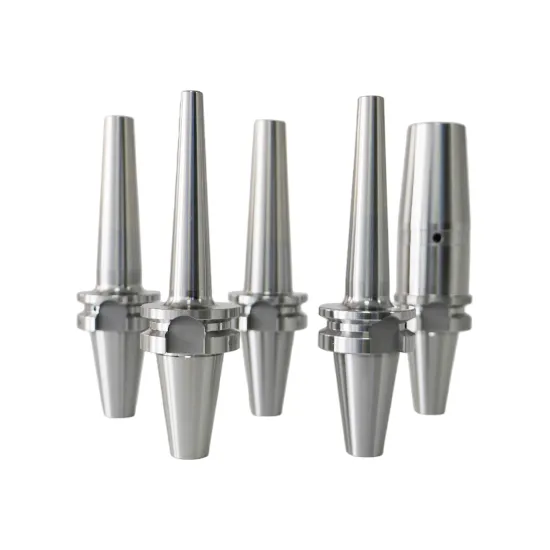
Table of Contents
- 1. What Are CNC Tool Holders?
- 2. Why CNC Tool Holders Matter More Than You Think
- 3. Key Factors When Selecting CNC Tool Holders
- 4. Common Types of CNC Tool Holders and Their Applications
- 5. CNC Tool Holder Selection by Machining Operation
- 6. CNC Tool Holder Materials and Balancing Considerations
- 7. Comparison Table of CNC Tool Holders
- 8. Mistakes to Avoid When Choosing CNC Tool Holders
- 9. Why Precision Manufacturers Trust WDF
- 10. Frequently Asked Questions (FAQ)
1. What Are CNC Tool Holders?
CNC tool holders are the mechanical interfaces that connect cutting tools to CNC machine spindles. Their primary function is to securely hold the cutting tool while maintaining concentricity, rigidity, and balance during high-speed rotation.
Without properly selected CNC tool holders, even the most advanced CNC machine and premium cutting tools cannot deliver optimal machining results.
2. Why CNC Tool Holders Matter More Than You Think
- Improve machining accuracy and repeatability
- Reduce tool runout and vibration
- Extend cutting tool lifespan
- Enhance surface finish quality
- Lower scrap rates and rework costs
In high-precision environments, CNC tool holders often determine whether a machining process is stable or problematic.
3. Key Factors When Selecting CNC Tool Holders
- Machining Application: Milling, drilling, tapping, or finishing
- Material Type: Aluminum, steel, stainless steel, titanium, or composites
- Spindle Speed: Low-speed torque vs high-speed stability
- Required Tolerance: Standard vs ultra-precision machining
- Production Volume: Prototyping vs mass production
4. Common Types of CNC Tool Holders and Their Applications
- ER Collet Tool Holders: General-purpose applications
- Hydraulic Tool Holders: High-precision finishing
- Shrink Fit Tool Holders: High-speed and rigid machining
- Side Lock Tool Holders: Heavy-duty roughing
- Shell Mill Holders: Face milling and large cutters
5. CNC Tool Holder Selection by Machining Operation
Milling Operations
For rough milling, rigidity is the top priority. Side lock or shell mill holders are commonly used. For finishing operations, hydraulic or shrink fit CNC tool holders provide better surface quality.
Drilling and Tapping
ER collet holders offer flexibility, while dedicated tapping holders reduce thread defects and tool breakage.
High-Speed Machining
Balanced shrink fit CNC tool holders minimize vibration and ensure spindle safety at high RPM.
6. CNC Tool Holder Materials and Balancing Considerations
Most CNC tool holders are made from high-strength alloy steel. Advanced designs focus on:
- Dynamic balancing (G2.5 or better)
- Improved clamping force
- Thermal stability
High-quality CNC tool holders are precision-balanced to reduce spindle wear and improve cutting consistency.
7. Comparison Table of CNC Tool Holders
| Tool Holder Type | Accuracy | Rigidity | Best Application |
|---|---|---|---|
| ER Collet | Medium | Medium | General Machining |
| Hydraulic | High | Medium | Finishing |
| Shrink Fit | Very High | High | High-Speed Machining |
| Side Lock | Low | Very High | Heavy Roughing |
8. Mistakes to Avoid When Choosing CNC Tool Holders
- Ignoring tool holder balance at high RPM
- Using one holder type for all applications
- Overlooking runout specifications
- Choosing price over performance
9. Why Precision Manufacturers Trust WDF
At WDF, CNC tool holders are engineered with a deep understanding of real machining challenges. Our solutions focus on accuracy, durability, and consistency, helping manufacturers achieve stable processes and predictable results across a wide range of CNC machining applications.
By aligning tool holder selection with machining goals, WDF supports customers in improving productivity while reducing long-term operational costs.
10. Frequently Asked Questions (FAQ)
Q1: How often should CNC tool holders be replaced?
CNC tool holders should be inspected regularly and replaced when runout, wear, or clamping force degradation is detected.
Q2: Are expensive CNC tool holders always better?
Not always. The best CNC tool holders are those matched correctly to the application, material, and machine capability.
Q3: Can one CNC tool holder work for all materials?
While possible, it is not recommended. Different materials require different rigidity and vibration control characteristics.
Selecting the right CNC tool holders is not just a technical decision—it is a strategic investment in machining quality and efficiency. If you are looking for reliable CNC tool holder solutions tailored to your machining needs, contact us today and let WDF help you optimize your CNC operations.
Related News
- How Can a PCD Non Standard Forming Cutter Transform High-Precision Machining
- High-Performance Aluminum Alloys Continue to Evolve as Demand for Precision Aerospace Machining Grows
- How Can CNC Blades Improve Machining Accuracy and Tool Life?
- What Makes CNC Machined Prototypes for Automotive Parts Worth Choosing Before Production?
- How Can Non-standard Custom Tools Solve Real Machining Problems Better Than Standard Tools?
- How Can Drilling Tools Improve Precision, Stability, and Cost Control in Modern Machining?
Leave me a message