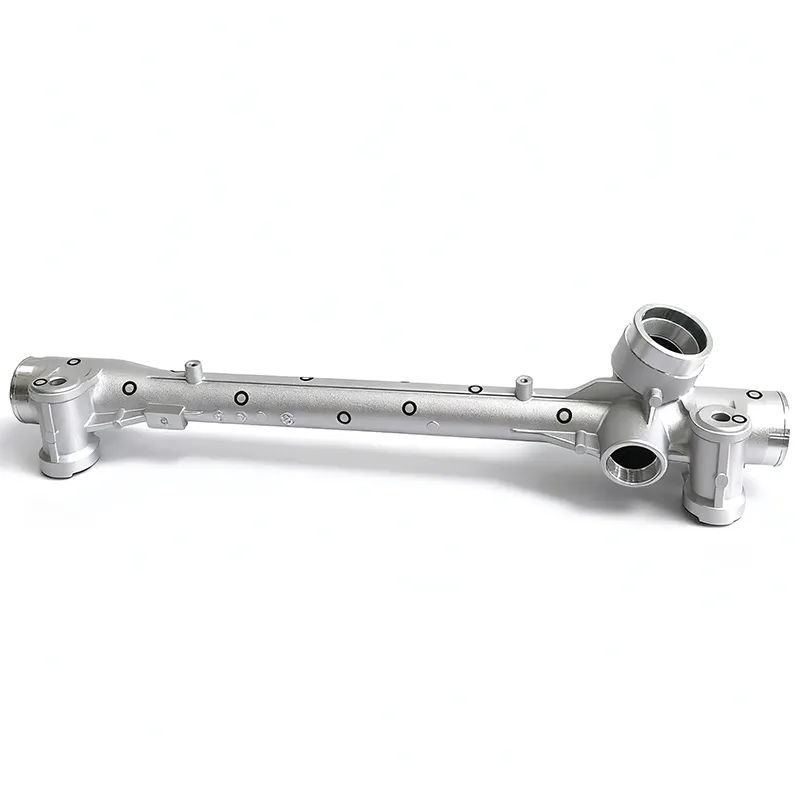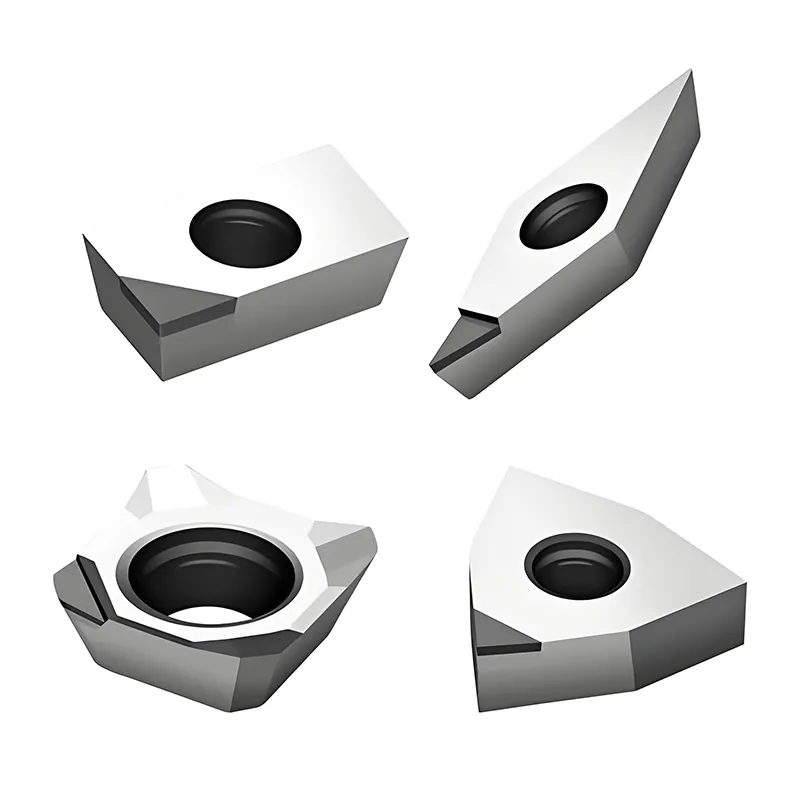
The performance of robotic systems depends heavily on the precision, durability, and design quality of each mechanical component — and none more so than the robot joint housing assembly. This blog explores why joint housings are critical to robotics, what key design and machining features matter most, how materials and precision manufacturing influence performance, application case studies, and best practices for selecting reliable components and suppliers like WDF’s Robot Joint Housing Assembly that meet exacting global standards.

📌 Table of Contents
- Definition: What Is a Robot Joint Housing Assembly?
- Why Joint Housing Assemblies Are Critical
- Key Design & Performance Features
- Materials & Precision Machining Techniques
- Industrial Applications
- Comparison: Standard vs High-Precision Assemblies
- How to Select the Right Assembly
- Frequently Asked Questions
- Conclusion & Contact Info
1. Definition: What Is a Robot Joint Housing Assembly?
A robot joint housing assembly is the structural and protective enclosure that supports and integrates motion components — such as motors, gears, bearings, encoders, and wiring — at a robot’s articulation point. It not only ensures precise load transmission between links but also protects sensitive internal components from wear, dust, vibration, and environmental forces.
In mechanical terms, the housing forms the rigid frame that holds the rotational output shaft and related internal mechanism, acting as the connective “skeleton” at the robot’s joint interface.
2. Why Joint Housing Assemblies Are Critical
Joint housings influence the robot’s overall performance in multiple ways:
- Motion Precision: The geometry and tolerances of the housing determine the alignment of gears and bearings, which directly affects the repeatability and accuracy of robot movements.
- Structural Strength: A well-designed housing sustains load transfer between links while minimizing deflection under torque and external forces.
- Protection & Longevity: By sealing and supporting internal components, housings improve resistance to vibration, contamination, and temperature extremes.
- Modular Assembly: Precision housings simplify assembly, servicing, and interchangeability — crucial in automated production lines.
3. Key Design & Performance Features
Critical considerations in robot joint housing include:
3.1 Dimensional Precision
Precision housing tolerances support correct gear, bearing, and encoder alignment. Deviations at the micron level can produce backlash, increased wear, and inaccurate motion — especially in 6-axis industrial robots.
3.2 Thermal & Environmental Stability
Housing design must handle heat from high-speed motors and extreme environment exposure, ensuring stable performance across temperature variations.
3.3 Protection & Sealing
Environmental sealing maintains internal integrity and prevents contamination that could lead to premature failure.
3.4 Compactness & Integration
Compact, lightweight housings — such as those offered by WDF — allow for installation in tight spaces without sacrificing strength or precision.
4. Materials & Precision Machining Techniques
High-performance housings are typically made from materials that balance light weight and structural rigidity — including aerospace-grade aluminum alloys, titanium, and stainless steels. The choice of material affects vibration damping, thermal distortion, and weight reduction goals.
Machining Techniques
| Technique | Purpose | Outcome |
|---|---|---|
| 5-Axis CNC Milling | Complex geometry and tight tolerances | ±0.001-0.01 mm precision |
| Precision Drilling & Reaming | Bearing and mounting bore accuracy | Improved rotation stability |
| Surface Finishing | Reduce friction & wear | Smoother motion interfaces |
| Environmental Coatings | Corrosion / moisture resistance | Extended lifespan |
Combined with rigorous quality inspection processes, precision machining ensures that housing components support high repeatability and minimal backlash in robot joints.
5. Industrial Applications of Joint Housing Assemblies
Robot joint housings are essential in virtually all robotic systems:
- Automotive Manufacturing: Welding, painting, material handling, and assembly robots depend on robust joint housings for accurate, high-speed tasks.
- Electronics Assembly: Precision pick-and-place requires micron-level repeatability.
- Aerospace & Defense: Robots for composite material fabrication and testing need housings with both strength and low thermal distortion.
- Medical Robotics: Surgical robots require ultra-smooth motion and reliability under tight safety standards.
6. Comparison: Standard vs High-Precision Assemblies
Here’s how high-precision robot joint housing assemblies outperform standard versions:
| Feature | Standard Housing | Precision Housing |
|---|---|---|
| Tolerance | ±0.05 mm or more | ±0.001 mm or better |
| Weight | Heavier steel components | Lightweight alloys |
| Environmental Protection | Basic sealing | High-grade sealed designs |
| Application Range | Low-duty robots | High-duty industrial robots |
7. How to Select the Right Robot Joint Housing Assembly
Best practices when evaluating suppliers include:
- Check manufacturing precision capabilities (e.g., five-axis CNC, tolerance specs).
- Review material certifications and durability testing.
- Ensure environmental sealing and weight optimization.
- Assess customer support, documentation, and quality guarantees.
A reliable supplier like WDF provides CNC-machined assemblies designed with automotive-grade quality control, compact form factors, and durability features optimized for demanding environments.
8. Frequently Asked Questions (FAQ)
- Q: What materials are most suitable for robot joint housing assemblies?
- Aluminum alloys (like 7075), titanium, and high-strength steels are common, balancing weight with rigidity and thermal performance.
- Q: How does housing precision affect robot performance?
- Higher precision reduces backlash, improves repeatability, and enhances motion accuracy, which is vital in automation and manufacturing tasks.
- Q: What tolerances should I look for?
- Top-tier assemblies often achieve ±0.001 mm tolerance levels, ensuring stable rotation and alignment.
- Q: Can robot joint housings be customized?
- Yes. Custom machining allows adaptations for specific robots, environmental conditions, or integration needs.
9. Conclusion
A high-precision robot joint housing assembly is indispensable for achieving accuracy, longevity, and performance in modern robotics. From manufacturing and inspection to material choice and machining techniques, each factor contributes to how effectively robots perform in demanding environments. If you're looking for CNC-machined robot joint housing assemblies that meet stringent quality standards and performance expectations, exploring offerings from trusted manufacturers like WDF’s Robot Joint Housing Assembly is a strong starting point.
Ready to enhance your robotic systems with precision components? Contact us today to discuss custom solutions and assembly options!