Why Are Non-standard Custom Tools Essential for Precision Manufacturing?
In modern machining and industrial production, efficiency and accuracy rely heavily on well-designed tools tailored to specific applications. Non-standard Custom Tools provide unique solutions when standard tools cannot meet the demands of special materials, tight tolerances, or complex shapes. In many of my real manufacturing projects, customized tools significantly improved productivity, reduced machining time, and enhanced product quality. This article explores why these tools matter, how they work, and what makes them an indispensable choice for companies such as Ningbo Wonderful Numerical Control Technology Co.,Ltd.

What Makes Non-standard Custom Tools Different From Standard Tools?
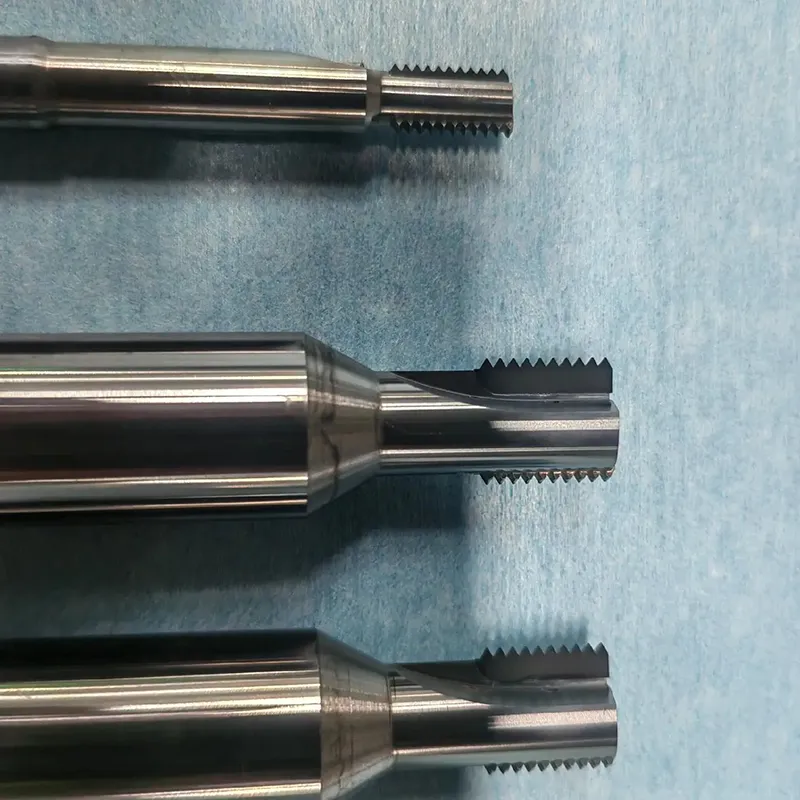
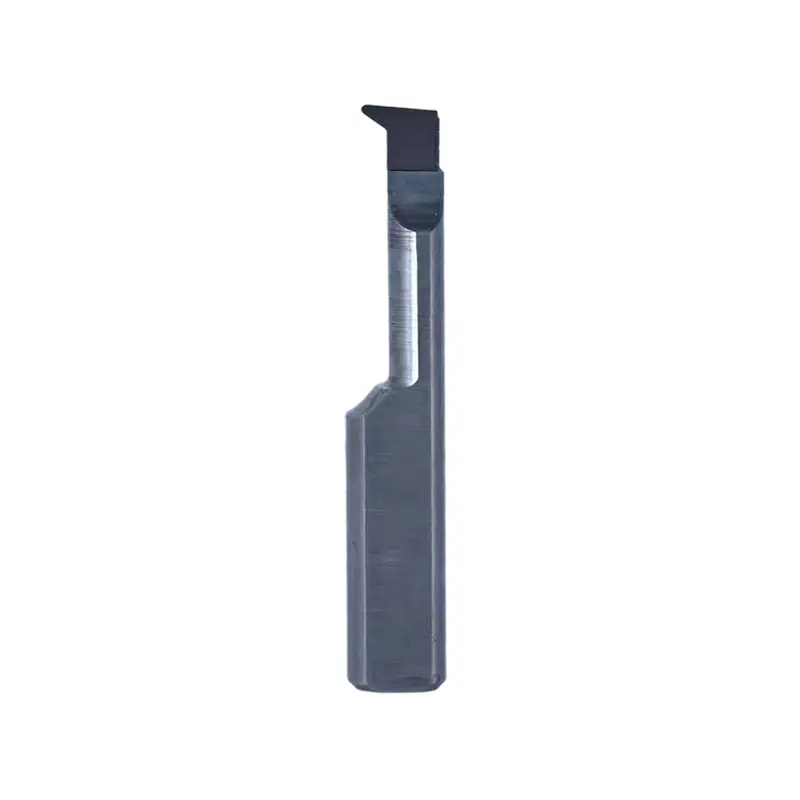
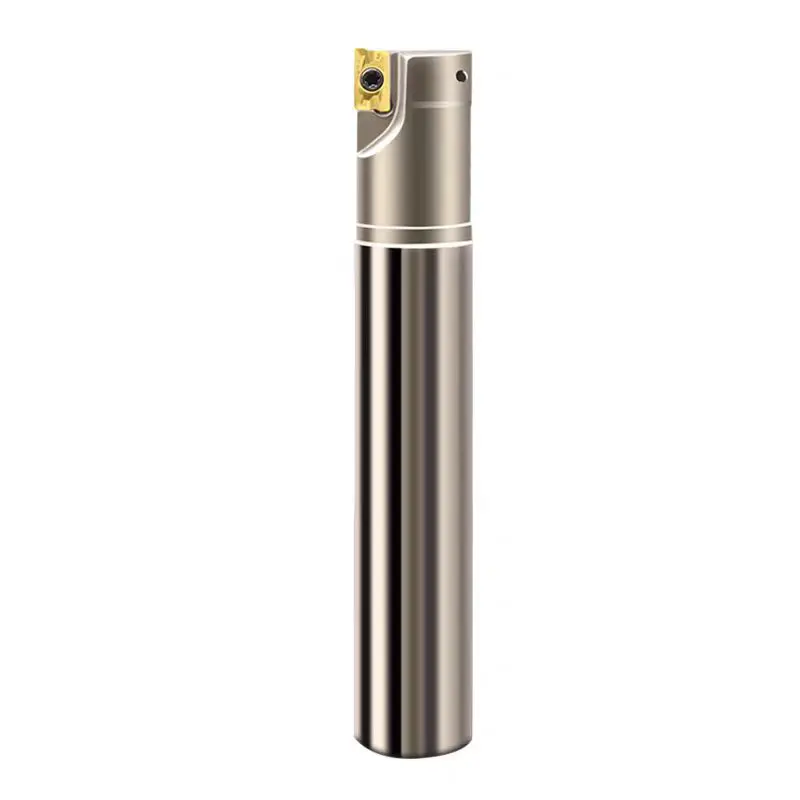
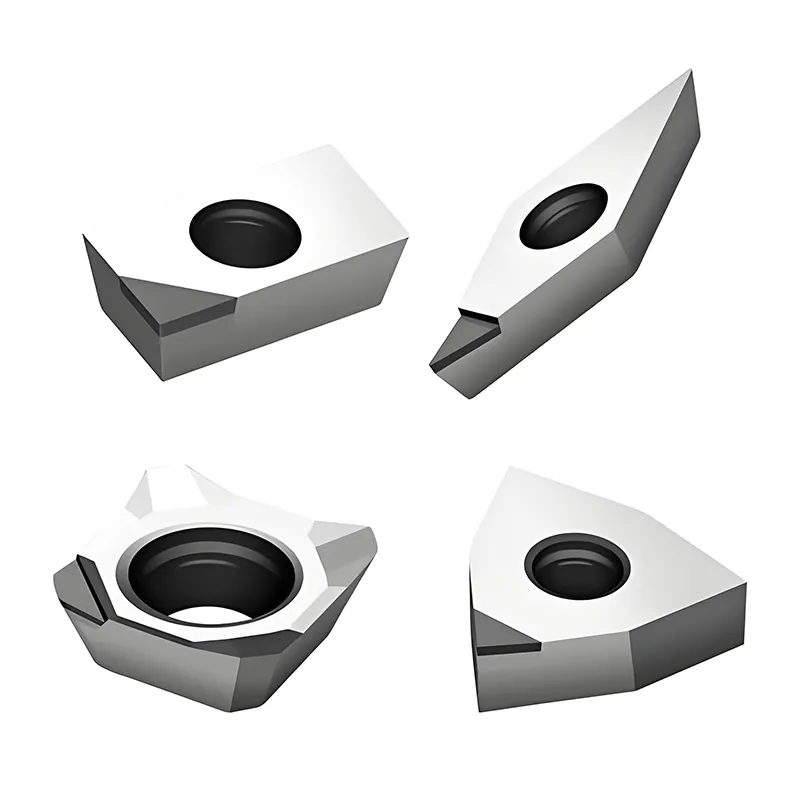
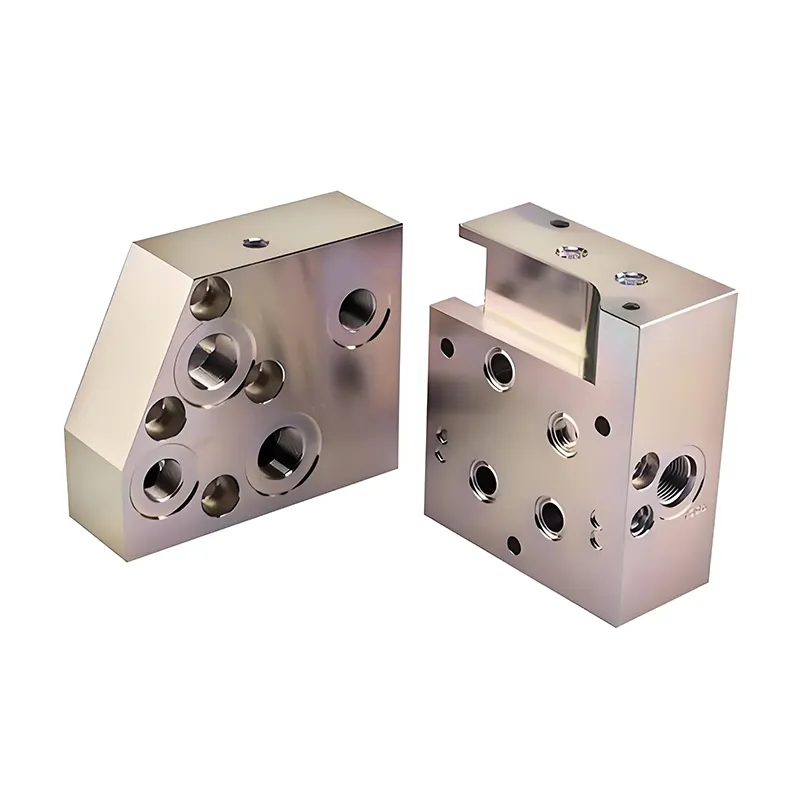
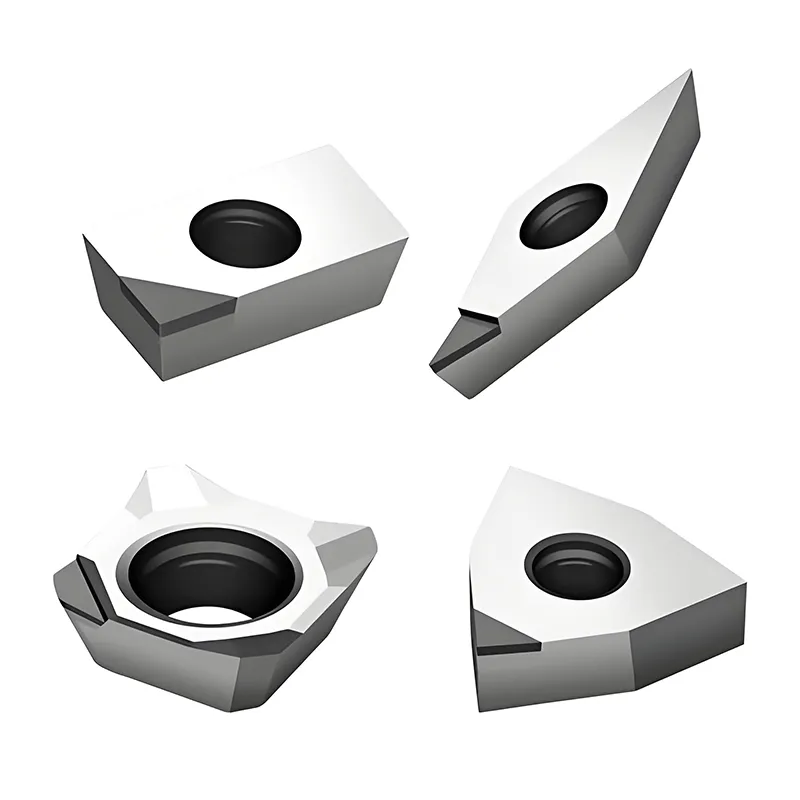
Non-standard Custom Tools are specially engineered cutting, milling, drilling, or shaping tools designed for individualized manufacturing requirements. Unlike standard catalog tools, these customized versions match specific part drawings, machining strategies, and equipment setups. This ensures stability during machining, reduces tool wear, and boosts consistency.
Key Advantages
-
Enhanced product accuracy
-
Better performance on difficult materials
-
Reduced machining cycles
-
Fully optimized for user equipment and production volume
-
Improved tool life and surface finish
How Do Non-standard Custom Tools Improve Working Efficiency?
The purpose of using Non-standard Custom Tools is to optimize each machining step. They allow engineers to integrate multiple processes into a single cutting path, which increases precision and lowers production costs.
Main Effects on Productivity
-
Shortened machining time: By designing the tool geometry for a particular cutting route.
-
Higher tolerance control: Achieved by matching exact dimensions of the workpiece.
-
Lower failure rates: Less tool breakage due to customized strength and coating.
-
Improved consistency: Essential for high-volume or automated production.
Why Are Non-standard Custom Tools Important for Modern Industrial Applications?
Their importance lies in the growing demand for customized parts across automotive, aerospace, electronics, mold manufacturing, and energy equipment. When standard tools fail to achieve the required shape or precision, customized tools ensure that production continues with accuracy and cost efficiency.
Typical Application Fields
-
Aerospace component machining
-
Die and mold manufacturing
-
Automotive precision parts
-
Complex CNC machining
-
Hard-to-machine materials such as titanium, stainless steel, and heat-resistant alloys
What Are the Technical Parameters of Our Non-standard Custom Tools?
Below are the core product specifications provided by Ningbo Wonderful Numerical Control Technology Co.,Ltd., demonstrating professional tool-design capabilities.
General Technical Parameters
| Parameter Category | Specification Range |
|---|---|
| Material Options | Carbide, HSS, Powder Metallurgy Steel, Coated Carbide |
| Coating Choices | TiN, TiAlN, AlTiN, DLC, Diamond Coating |
| Manufacturing Precision | ±0.001–±0.005 mm |
| Tool Types | Custom End Mills, Reamers, Step Drills, Forming Cutters, Boring Tools |
| Custom Geometry | Multi-step design, special flute angles, radius/ chamfer combinations |
| Shank Compatibility | ISO, HSK, BT, CAT, or fully customized shank designs |
Key Customization Details
-
Cutting diameter: Ø0.2 mm–Ø25 mm
-
Overall length: 20 mm–200 mm
-
Special profiles: R-shaped, tapered, multi-level, full form cutters
-
Application materials: Aluminum, copper, steel, alloy steel, titanium alloy, composites
How Do We Ensure the Quality and Precision of Each Tool?
At Ningbo Wonderful Numerical Control Technology Co.,Ltd., every customized tool goes through a strict engineering evaluation, simulation, and grinding process.
Quality Assurance Steps
-
CAD/CAM tool simulation and optimization
-
Precision grinding with 5-axis CNC machines
-
Inspection using German-origin tool measurement instruments
-
Edge treatment, balancing, and coating
-
Trial cutting verification before final delivery
These steps ensure long service life, stable machining performance, and consistent accuracy.
FAQ About Non-standard Custom Tools
Q1: What materials can Non-standard Custom Tools handle effectively?
A1: They are designed to work on materials such as stainless steel, titanium alloys, hardened steel, aluminum, copper, composites, and high-temperature alloys, depending on the tool's geometry and coating.
Q2: How long does it take to design and manufacture a Non-standard Custom Tool?
A2: Standard lead time is typically 7–15 days. Complex multi-step or form tools may require additional engineering time to optimize cutting paths and tolerance control.
Q3: Why should I choose Non-standard Custom Tools instead of general-purpose tools?
A3: They ensure higher precision, longer tool life, and fewer machining errors. When standard tools cannot meet tolerance requirements or efficiency expectations, custom tools provide a perfectly matched solution.
Q4: Can Non-standard Custom Tools reduce production costs?
A4: Yes. By combining processes, minimizing tool changes, and improving cutting stability, custom tools significantly reduce cycle times, waste, and tool consumption, resulting in long-term cost savings.
Ready to Upgrade Your Machining Efficiency?
Non-standard Custom Tools are the key to achieving stable, precise, and efficient manufacturing results. Whether you need advanced form tools, high-precision end mills, or customized multi-step cutters, Ningbo Wonderful Numerical Control Technology Co.,Ltd. provides professional engineering support and reliable quality.
For more details or technical consultation, feel free to contact us anytime.
Related News
- How Can a PCD Non Standard Forming Cutter Transform High-Precision Machining
- High-Performance Aluminum Alloys Continue to Evolve as Demand for Precision Aerospace Machining Grows
- How Can CNC Blades Improve Machining Accuracy and Tool Life?
- What Makes CNC Machined Prototypes for Automotive Parts Worth Choosing Before Production?
- How Can Non-standard Custom Tools Solve Real Machining Problems Better Than Standard Tools?
- How Can Drilling Tools Improve Precision, Stability, and Cost Control in Modern Machining?
Leave me a message