How Do CNC Tool Holders Affect Real Machining Results?
Article Summary
Choosing the right CNC Tool Holders can change far more than many buyers expect. It affects runout, vibration control, surface finish, spindle protection, cutting stability, tool life, and even how confidently an operator can run a demanding job at higher speed. In this article, I break down the real problems manufacturers face when tool holding is overlooked, explain how to match holder types to actual machining tasks, and show what buyers should evaluate before placing an order. I also discuss why a reliable partner such as Ningbo Wangdefu Precision Machinery Co.Ltd. matters when consistency, fit, and long-term machining performance are on the line.
Table of Contents
- Outline
- Why do CNC Tool Holders matter more than many buyers think?
- What problems appear when CNC Tool Holders are chosen badly?
- How should buyers choose CNC Tool Holders for different machining tasks?
- Which holder types solve which production challenges?
- What should you expect from a dependable supplier?
- FAQ
Outline
- The hidden role of tool holding in machining accuracy and process stability
- Common purchasing mistakes that lead to chatter, poor finish, and short tool life
- Key factors for matching holder type to spindle, tool, speed, and application
- A practical comparison of common holder categories
- What makes a supplier worth trusting for repeat orders and long-term cooperation
- Clear answers to common buyer questions
Why do CNC Tool Holders matter more than many buyers think?
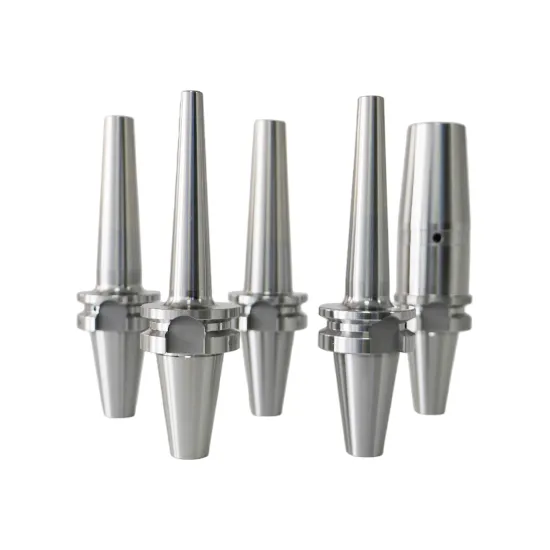
A surprising number of machining problems begin in a place buyers do not always look first. People tend to focus on the machine itself, the spindle power, the cutting parameters, or the carbide grade. Those things obviously matter. But the connection between the machine spindle and the cutting tool is where theoretical capability turns into actual cutting performance. That connection is exactly where CNC Tool Holders come in.
A good holder does not just “hold” a tool. It centers the tool accurately, transmits torque efficiently, reduces vibration, supports stable clamping, and helps the machine run in a controlled, repeatable way. When that connection is poor, the consequences show up everywhere: irregular surface finish, unexpected runout, broken tools, unstable cutting noise, inconsistent dimensions, and wasted time during setup.
In daily production, these issues are rarely isolated. A poor holder may shorten tool life, which then raises tooling cost. It may increase vibration, which then affects part quality. It may weaken clamping reliability, which then reduces confidence during aggressive cutting. That is why experienced buyers treat holder selection as a process decision, not a minor accessory purchase.
This is also why manufacturers looking for long-term machining consistency often work with specialized suppliers rather than buying only on the basis of the lowest price. Ningbo Wangdefu Precision Machinery Co.Ltd. is relevant in that discussion because buyers in precision manufacturing usually need more than a catalog item. They need dependable fit, stable quality, and product choices that match real machining conditions rather than generic descriptions.
What problems appear when CNC Tool Holders are chosen badly?
Buyers usually start rethinking their holder strategy only after something goes wrong on the shop floor. The frustrating part is that the symptoms often seem unrelated at first. A team may complain about chatter in milling, poor finish in aluminum, tool pullout in heavy cutting, or uneven thread quality in tapping. In many cases, the holder is part of the root cause.
Here are the pain points I see most often:
- Excessive runout that affects dimensional accuracy and reduces tool life
- Vibration and chatter that damage surface finish and limit usable cutting parameters
- Weak clamping stability that causes slipping during demanding operations
- Poor balance at high speed that creates instability in precision work
- Long setup time that slows changeovers and hurts efficiency
- Inconsistent repeatability from one batch, tool, or operator to another
- Mismatch with spindle or application leading to avoidable production risk
What makes these problems expensive is not only scrap. It is the chain reaction that follows. Operators become more conservative. Feed and speed are reduced to stay safe. The machine’s potential is underused. Delivery pressure increases because cycle time goes up while predictability goes down. In other words, the wrong holder quietly becomes a production bottleneck.
| Common Shop Problem | Likely Tool Holder Issue | Production Impact |
|---|---|---|
| Surface finish is inconsistent | Poor concentricity or vibration control | Rework, slower parameters, customer complaints |
| Tools wear out too quickly | Runout or unstable clamping | Higher tooling cost and unplanned tool changes |
| Chatter during milling | Insufficient rigidity or weak damping | Reduced productivity and poor finish |
| High-speed jobs feel risky | Inadequate balance performance | Lower machine utilization and cautious process settings |
| Tapping results are unreliable | Incorrect holder style for threading demands | Tap breakage, thread defects, downtime |
How should buyers choose CNC Tool Holders for different machining tasks?
The smartest way to buy CNC Tool Holders is to begin with the job, not the product name. A holder that performs very well in one environment may be a poor match in another. Buyers should work backward from the machining goal and ask practical questions before deciding.
- What operation are you running most often: milling, drilling, boring, tapping, or mixed work?
- Are you prioritizing accuracy, speed, rigidity, damping, or quick tool changes?
- What spindle interface are you using?
- What tool diameter range matters most in your real orders?
- Are you running heavy roughing, precision finishing, or both?
- Do you need strong repeatability across multiple operators or shifts?
For example, if your environment involves high-speed finishing with strict balance expectations, you should not evaluate holders the same way a buyer would for general rough milling. If your biggest issue is chatter, damping performance matters more. If you are running thread-making operations and constantly dealing with tap damage, you need to focus on holders designed for tapping stability rather than using a generic approach.
I also recommend that buyers avoid one overly simple habit: purchasing a single holder style for every operation just to simplify the inventory list. That may look efficient on paper, but it often creates process compromise. Good tooling strategy is not about buying more than necessary. It is about using the right structure where it brings clear value.
A practical purchasing mindset is this: if a holder helps you cut more steadily, protect expensive tools, reduce scrap, and improve confidence during production, it is not just a component cost. It is a process improvement tool.
Which holder types solve which production challenges?
Not all holder categories answer the same problem. Buyers who understand the strengths of each option make better decisions and usually waste less time on trial and error. Below is a practical comparison that helps connect holder type to typical shop-floor needs.
| Holder Type | Best Suited For | Main Advantage | Typical Buyer Concern It Addresses |
|---|---|---|---|
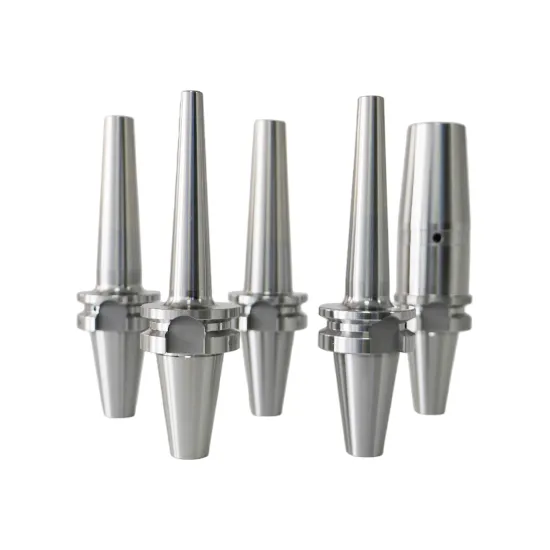
| Shrink fit chuck | High-speed and high-precision machining | Excellent balance and strong clamping | “We need better stability and accuracy at speed” |
| Collet chuck | General milling, drilling, engraving | Versatility and practical daily use | “We need flexible holders for mixed operations” |
| Hydraulic tool holder | Precision finishing and sensitive operations | Good damping and consistent accuracy | “We need to reduce vibration and improve finish” |
| Tapping tool holder | Threading work | Better thread quality and safer tapping process | “We want fewer tap failures and cleaner threads” |
| Face milling cutter holder | Face milling applications | Reliable support and torque transmission | “We need stable performance in milling tasks” |
| Runout adjustable flange adapter | Demanding precision applications | Fine correction capability for accuracy control | “We need tighter control over runout” |
The real lesson here is not that one type is universally better than another. It is that each style solves a different production headache. Buyers who align holder type with process reality gain better results faster. That is where experienced technical support becomes useful. A capable supplier can help narrow the decision based on spindle style, cutting conditions, material, and target quality rather than leaving the buyer to guess from product names alone.
When companies scale production, that support becomes even more important. Repeatability across batches and repeatability across orders are not accidental. They come from systems, tolerances, process understanding, and quality control discipline.
What should you expect from a dependable supplier?
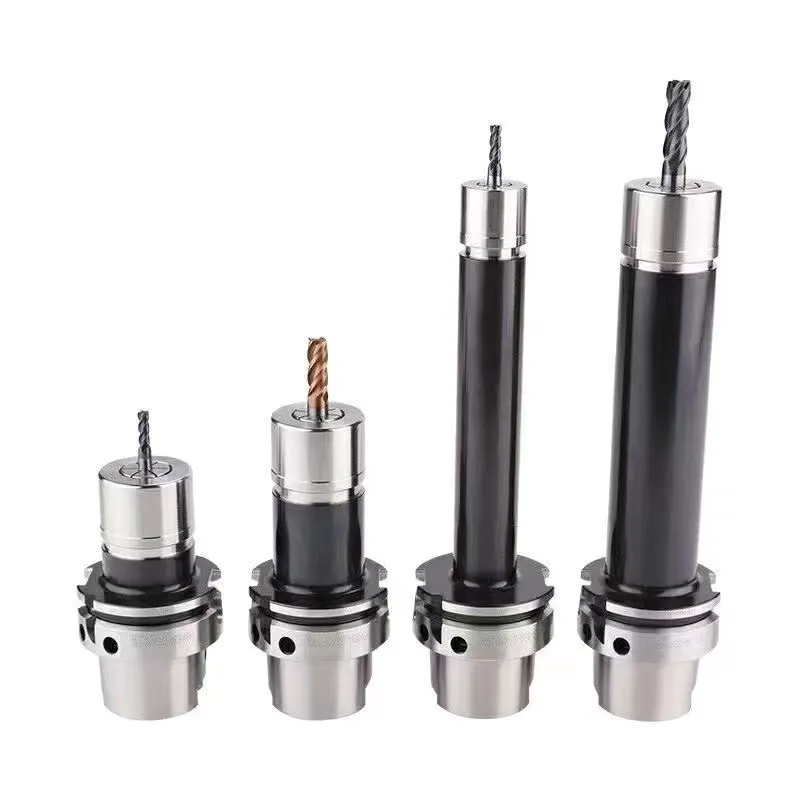
If you are buying CNC Tool Holders for real production rather than casual resale, you should expect more from a supplier than a basic quotation. A dependable partner should help reduce uncertainty before your order even arrives.
Here is what I would expect:
- Clear product positioning so you know which holder is meant for which application
- Stable manufacturing quality that supports repeat orders, not one good sample followed by inconsistency
- Attention to precision standards because holder quality is not meaningful without actual dimensional control
- Responsive communication when you need help matching holder structure to machining conditions
- Broader product coverage so you can source related holder types from one channel if needed
- Long-term reliability because the cost of switching suppliers repeatedly is often higher than buyers admit
This is why many buyers prefer to evaluate a company in terms of manufacturing capability, product range, and quality discipline rather than judging only by unit price. A supplier that understands shrink fit chucks, collet chucks, hydraulic holders, tapping holders, and precision adjustment solutions is often better equipped to support changing project needs.
For buyers looking at this category seriously, Ningbo Wangdefu Precision Machinery Co.Ltd. is the kind of name worth considering because the value of a tooling partner is not just whether they can ship a product. It is whether they can support machining reliability across different operations and help the customer avoid preventable mistakes in holder selection.
In practice, that means less guesswork, better consistency, and a stronger foundation for precision manufacturing.
FAQ
Can the wrong tool holder really damage machining quality that much?
Yes. Even when the machine and cutting tool are good, poor clamping stability, runout, or vibration control can reduce finish quality, shorten tool life, and make the process harder to control.
Is the cheapest holder a reasonable choice for standard jobs?
Not always. A lower purchase price can quickly lose its advantage if it causes instability, scrap, frequent tool changes, or slower production settings.
Which holder type is best for high-speed machining?
That depends on the application, but buyers often focus on options known for strong balance and precision performance when speed and stability are major priorities.
Do I need different holders for milling and tapping?
In many cases, yes. Different operations create different demands. A holder designed for tapping can better support thread quality and reduce the risk of tap-related issues.
What is the most important thing to check before buying?
Start with your actual machining conditions: spindle type, operation, speed, tool diameter, required finish, and stability expectations. The right holder should fit the process, not just the catalog.
Why is choosing CNC Tool Holders really a decision about production confidence?
At the end of the day, buyers do not invest in CNC Tool Holders because they want another item on a tooling list. They invest because they want more control over machining results. They want cleaner finishes, better stability, fewer surprises, longer tool life, and a smoother production rhythm. That is why holder selection deserves real attention.
If your current process suffers from chatter, unstable precision, inconsistent thread quality, or unnecessary tool wear, the holder is one of the first places I would investigate. And if you are planning new sourcing decisions, it makes sense to work with a supplier that understands the connection between product structure and practical machining performance.
If you are looking for tooling support that aligns with real machining needs, Ningbo Wangdefu Precision Machinery Co.Ltd. is ready to help you evaluate suitable solutions for your applications. Whether you need stronger clamping stability, better precision, or more reliable performance across demanding operations, now is the right time to refine your tooling strategy. Contact us to discuss your project and find the right holder solution for your production goals.
Related News
- How Can a PCD Non Standard Forming Cutter Transform High-Precision Machining
- High-Performance Aluminum Alloys Continue to Evolve as Demand for Precision Aerospace Machining Grows
- How Can CNC Blades Improve Machining Accuracy and Tool Life?
- What Makes CNC Machined Prototypes for Automotive Parts Worth Choosing Before Production?
- How Can Non-standard Custom Tools Solve Real Machining Problems Better Than Standard Tools?
- How Can Drilling Tools Improve Precision, Stability, and Cost Control in Modern Machining?
Leave me a message