How Do CNC Cutting Tools Solve Precision Machining Challenges?
Article Summary
CNC cutting tools are at the center of modern precision machining, but many buyers and production managers still struggle with the same issues: short tool life, unstable dimensional accuracy, poor surface finish, rising downtime, and difficulty matching the right tool to the right material. This article explains how CNC cutting tools address these problems in practical production environments. It covers common pain points, the role of tool geometry and material selection, how proper tooling improves repeatability and cost control, and what to consider when choosing a dependable supplier. It also highlights how Ningbo Wangdefu Precision Machinery Co.Ltd. supports manufacturers seeking reliable, application-focused cutting solutions for demanding machining tasks.
Table of Contents
- Outline
- What Problems Do Manufacturers Face in Precision Machining?
- Why Are CNC Cutting Tools So Critical to Machining Results?
- Which CNC Cutting Tools Are Commonly Used?
- How Should You Choose CNC Cutting Tools for Different Jobs?
- How Do Better Tools Reduce Hidden Production Costs?
- What Should You Expect from a Reliable Tool Manufacturer?
- FAQ
- Conclusion
Outline
- The production bottlenecks many machining businesses face every day
- The direct relationship between cutting tools and part quality
- Main categories of CNC cutting tools and their typical uses
- How to match tool design with material, tolerance, and output goals
- Why lower tool price does not always mean lower machining cost
- How a capable tooling partner adds value beyond supplying products
What Problems Do Manufacturers Face in Precision Machining?
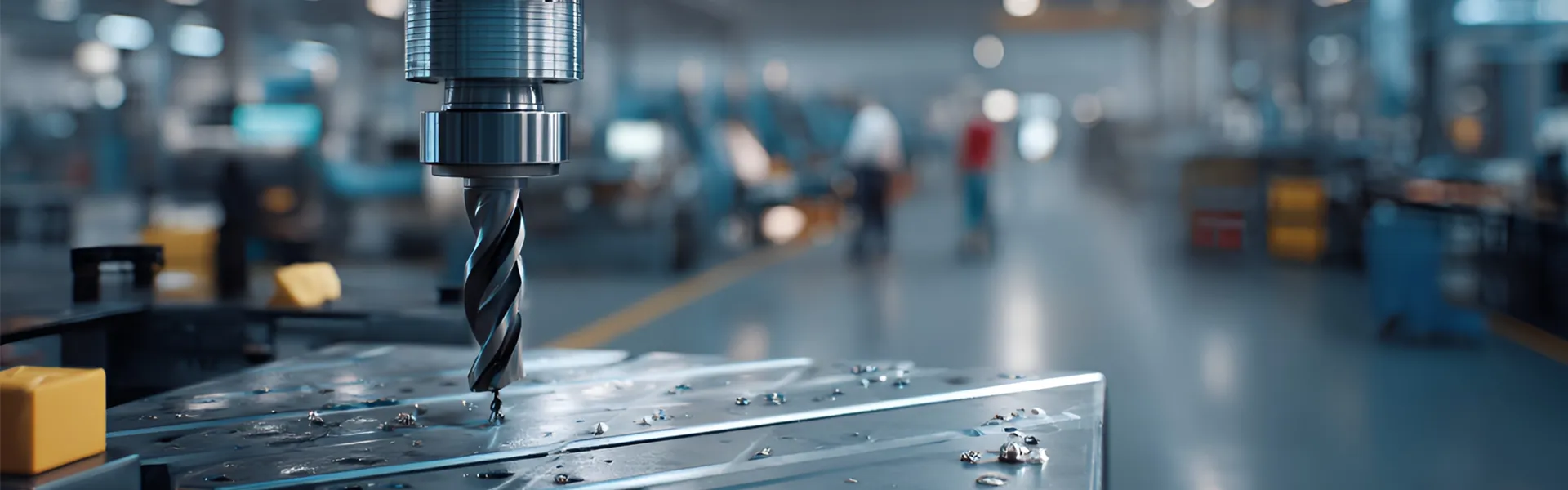
In many workshops, machining issues do not begin with the machine itself. They begin at the point of contact between the tool and the material. A production line may have advanced CNC equipment and trained operators, yet still lose time and money because the cutting tool is not optimized for the job. This is where many recurring customer frustrations come from.
Some manufacturers deal with inconsistent dimensional accuracy from batch to batch. Others fight burr formation, chatter marks, overheating, or fast edge wear. In high-volume work, even a small weakness in tooling can become a serious operational problem. Tool changes increase machine stoppage. Unstable cutting leads to scrap. Poor chip control affects safety and finish quality. In tight-margin industries such as automotive, electronics, mold processing, and precision component manufacturing, these issues can quickly reduce profitability.
Another common pain point is uncertainty during tool selection. Buyers may know they need milling tools, drilling tools, threading tools, or reaming tools, but they are not always sure which geometry, substrate, coating, or tolerance range is best for the actual workpiece material. Choosing the wrong option can create a chain reaction of problems that only becomes visible after production starts.
| Common Challenge | Impact on Production | How the Right Tool Helps |
|---|---|---|
| Rapid tool wear | Frequent replacement, more downtime, higher operating cost | Improved substrate and coating extend tool life |
| Poor surface finish | Extra polishing or rework, delayed delivery | Sharper edges and better geometry create smoother finishes |
| Inaccurate hole or profile dimensions | Rejected parts and unstable assembly quality | Precision-made drills, reamers, and form tools improve consistency |
| Chip evacuation problems | Heat buildup, tool breakage, process interruption | Application-specific flute design improves chip control |
| Difficult-to-machine materials | Low efficiency and unpredictable cutting performance | Tailored tool material and edge design improve stability |
Why Are CNC Cutting Tools So Critical to Machining Results?
CNC cutting tools do much more than remove material. They define the efficiency, repeatability, and finish quality of the entire cutting process. The tool’s geometry controls how the cutting edge enters the material. The substrate affects toughness and wear resistance. The coating influences friction, heat management, and service life. Even minor differences in edge preparation can change the result in a noticeable way.
When the right CNC cutting tool is used, the machining process becomes more stable. Feed and speed can be pushed to productive levels with less risk. Surface finish becomes more predictable. Dimensional control improves. This stability matters not only for one part, but for the entire batch. A good tool helps maintain repeatability from the first piece to the last.
That is why experienced manufacturers do not look at cutting tools as simple consumables. They view them as process-critical components. The right tool can shorten cycle times, reduce scrap, minimize manual adjustment, and support long production runs with fewer interruptions. In other words, tooling quality directly shapes manufacturing performance.
Which CNC Cutting Tools Are Commonly Used?
CNC machining involves a wide range of operations, so there is no single tool that solves every production task. A strong tooling program usually includes multiple categories, each designed for a specific cutting objective.
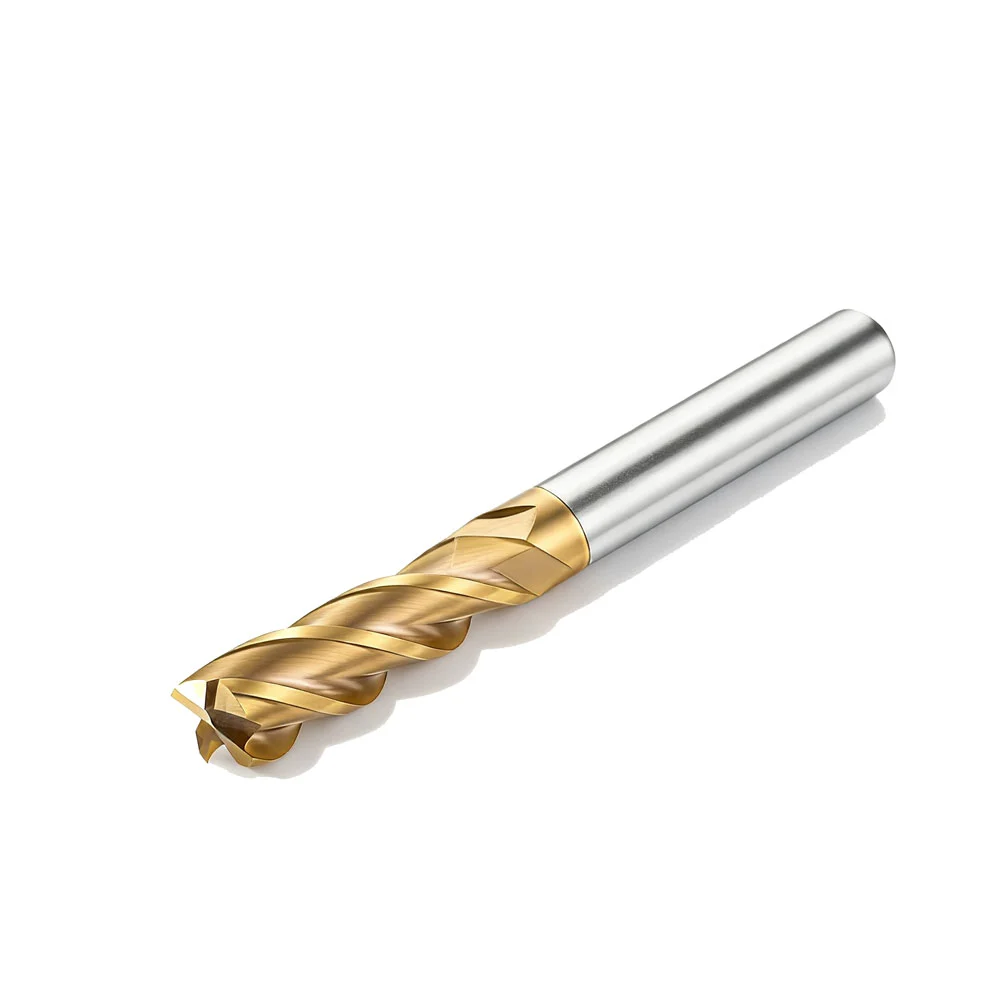
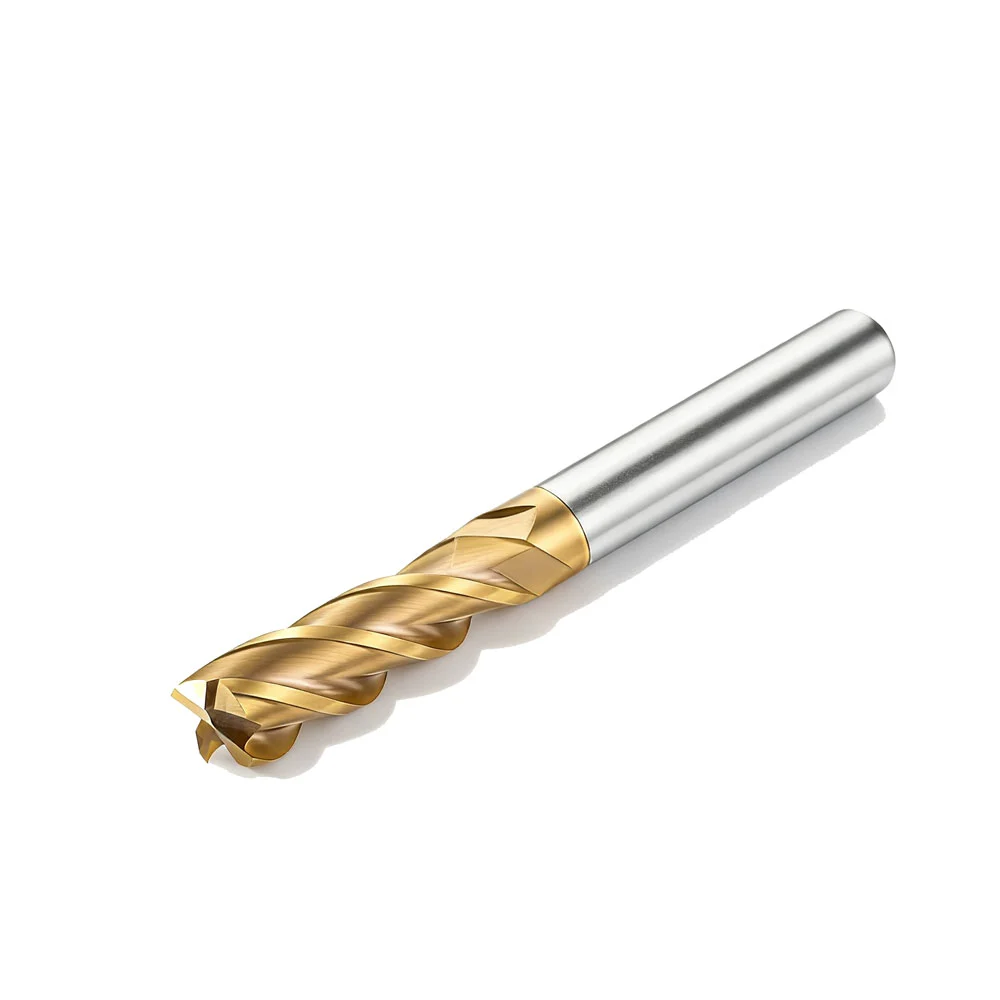
- Milling tools: Used for slotting, contouring, side milling, face milling, and finishing operations. These are essential when parts require profile complexity and clean edge definition.
- Drilling tools: Designed to create accurate holes efficiently. Good drilling tools improve straightness, reduce wander, and support smoother hole quality.
- Reaming tools: Applied when hole tolerance and internal finish must be tighter than drilling alone can achieve.
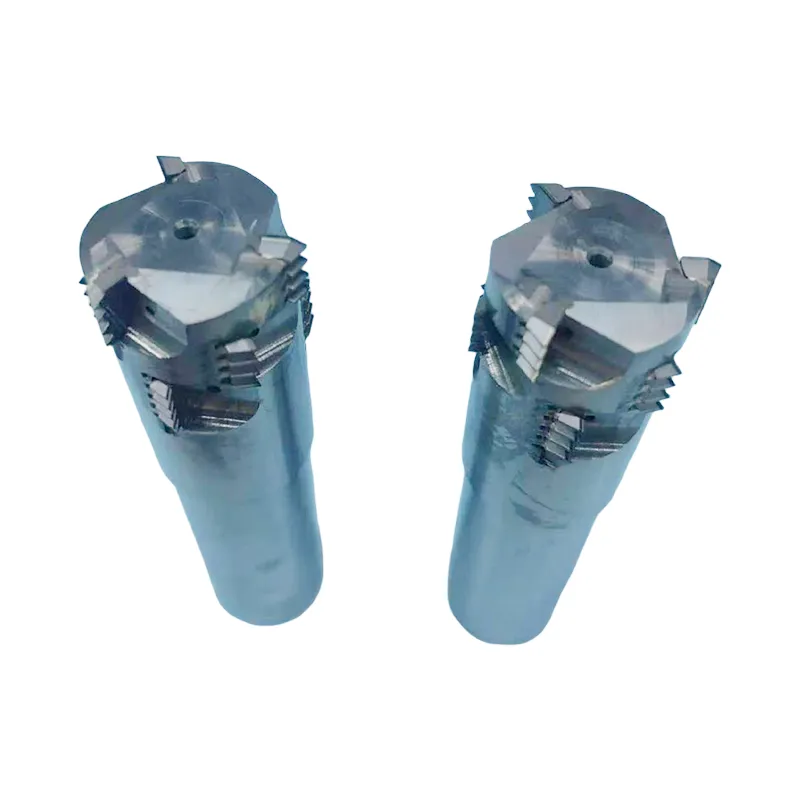
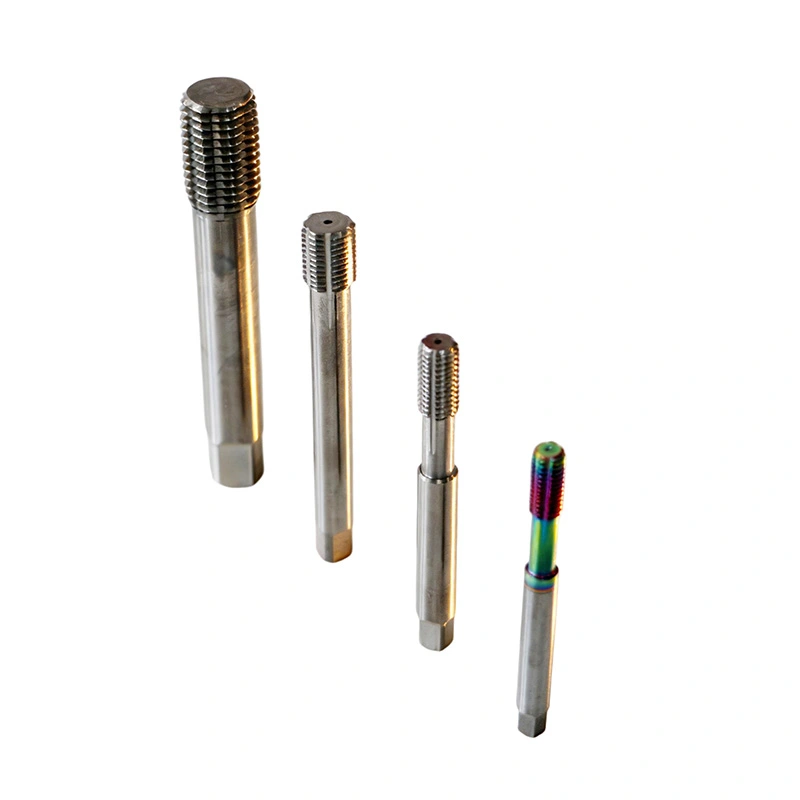
- Threading tools: Used for internal or external threads with stable pitch accuracy and cleaner thread surfaces.
- CNC blades and inserts: Suitable for turning and indexable applications where replaceable cutting edges improve cost efficiency.
- Non-standard custom tools: Built for special profiles, compound operations, or highly specific materials where standard catalog tools are not enough.
For many manufacturers, custom tooling becomes especially valuable when standard tools cannot meet cycle time targets or part design complexity. Combining multiple functions into one custom tool can reduce tool changes and improve process flow.
How Should You Choose CNC Cutting Tools for Different Jobs?
Tool selection should begin with the application, not just the product label. A drill for stainless steel should not be judged by the same priorities as a milling cutter for aluminum or a threading tool for alloy steel. The workpiece material, required tolerance, machine rigidity, spindle speed, coolant conditions, and batch volume all matter.
Buyers who focus only on the lowest unit price often overlook the bigger picture. A cheaper tool that wears quickly or produces unstable dimensions may cost more overall than a premium tool with longer life and better consistency. That is why proper selection should be based on total machining performance.
- Match tool material to workpiece hardness and abrasiveness
- Consider coating type for heat resistance and reduced friction
- Review flute design for chip evacuation and cutting stability
- Check tolerance requirements before choosing standard or custom tooling
- Evaluate whether roughing and finishing need separate tool solutions
- Confirm whether your job would benefit from special edge preparation or non-standard geometry
This is where a responsive manufacturer can make a real difference. Instead of simply offering a product list, a knowledgeable supplier should help evaluate the machining objective and recommend a tool solution based on actual cutting conditions.
How Do Better Tools Reduce Hidden Production Costs?
Many production managers first notice tool cost at the purchasing stage, but the more important cost appears during machining. Hidden losses usually come from lost spindle time, emergency tool replacement, poor process stability, operator intervention, and rejected parts. These are the areas where well-designed CNC cutting tools create measurable value.
For example, a tool with stronger wear resistance can complete more parts before replacement. A tool with better chip control can reduce heat buildup and lower the risk of breakage. A high-precision reamer can reduce secondary finishing work. A custom form tool can combine operations and shorten total cycle time. These improvements may look small individually, but together they change the economics of production.
Better tools also support more confident scheduling. When machining results are predictable, lead times become easier to control and quality claims become less likely. That reliability matters to manufacturers serving demanding customers who expect stable output across repeat orders.
What Should You Expect from a Reliable Tool Manufacturer?
A strong supplier relationship should offer more than product delivery. Manufacturers need a partner that understands machining realities and can respond with practical recommendations. This is especially important when parts become more complex, tolerances become tighter, or materials become harder to cut.
A dependable supplier should be able to provide stable production quality, clear communication, application support, and the flexibility to handle both standard and custom requirements. Buyers also benefit from working with a company that understands different industrial sectors and can align tooling design with the customer’s process goals.
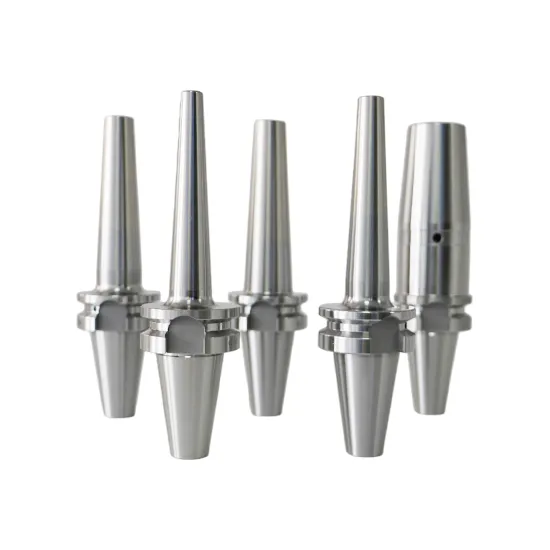
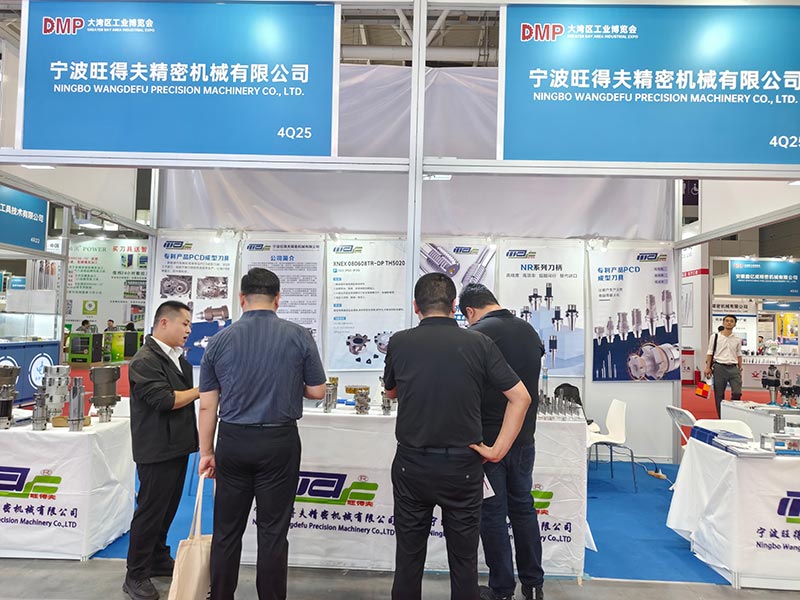
Ningbo Wangdefu Precision Machinery Co.Ltd. is positioned to support these needs through a product range that covers CNC blades, tool holders, milling tools, drilling tools, reaming tools, threading tools, and non-standard custom tools. For manufacturers seeking precision, efficiency, and long-term process stability, the value of such a supplier lies in its ability to translate production requirements into practical cutting solutions.
In real purchasing decisions, trust is built through consistency. Buyers want to know that the tool they receive next month will perform like the tool they tested today. They want technical support when they face a difficult material or a demanding part structure. They want a supplier that understands that tooling performance is tied directly to delivery performance and customer satisfaction.
FAQ
1. What are CNC cutting tools used for?
CNC cutting tools are used to remove material from a workpiece during machining operations such as milling, drilling, reaming, threading, and turning. They help shape parts to precise dimensions and surface requirements.
2. Why do CNC cutting tools wear out quickly in some applications?
Fast wear usually happens because of poor tool-material matching, excessive heat, unstable cutting parameters, difficult chip evacuation, or unsuitable coating and geometry for the workpiece material.
3. How can I improve machining accuracy with better tooling?
Improving accuracy often starts with choosing tools made to tighter tolerances, using the correct geometry for the operation, and selecting a tool design that delivers stable cutting forces and predictable edge performance.
4. Are custom CNC cutting tools worth considering?
Yes, especially when standard tools cannot meet cycle time, tolerance, or profile requirements. Custom tools can combine operations, improve efficiency, and solve repeated production bottlenecks.
5. What should I look for in a CNC cutting tool supplier?
Look for manufacturing consistency, broad tooling capability, application knowledge, support for custom requirements, and clear communication. A supplier should help improve the process, not just sell a product.
Conclusion
CNC cutting tools play a decisive role in machining efficiency, product accuracy, and long-term cost control. When tooling is chosen carefully and matched to the real cutting environment, it helps solve some of the most frustrating production problems: unstable dimensions, short service life, rough surfaces, excessive downtime, and rising scrap rates. For manufacturers that want better output without sacrificing quality, investing in the right tooling strategy is one of the smartest steps they can take.
If you are looking for dependable CNC cutting tools backed by practical manufacturing knowledge, Ningbo Wangdefu Precision Machinery Co.Ltd. can help you move from tooling uncertainty to machining confidence. Whether you need standard solutions or custom support for demanding applications, contact us to discuss your project and find the right cutting solution for your production goals.
Related News
- How Can a PCD Non Standard Forming Cutter Transform High-Precision Machining
- High-Performance Aluminum Alloys Continue to Evolve as Demand for Precision Aerospace Machining Grows
- How Can CNC Blades Improve Machining Accuracy and Tool Life?
- What Makes CNC Machined Prototypes for Automotive Parts Worth Choosing Before Production?
- How Can Non-standard Custom Tools Solve Real Machining Problems Better Than Standard Tools?
- How Can Drilling Tools Improve Precision, Stability, and Cost Control in Modern Machining?
Leave me a message