
Carbide Drill For Blind Hole
For demanding machining applications requiring high-precision internal features, a specialized tool is non-negotiable. When the task involves creating a blind hole—a hole that does not pass completely through the workpiece—standard drills often fall short. Our carbide drills for blind holes are engineered specifically for this challenge. Unlike general-purpose tools, they are designed to achieve consistent depth, excellent chip evacuation in confined spaces, and superior hole quality at the bottom. This precision is critical in industries like aerospace, automotive, and mold making, where component integrity is paramount. For operations requiring different flute geometries or through-holes, we offer a comprehensive range of solutions, including our high-performance Carbide Drill With Twist Flute for versatile material removal, the specialized Carbide Drill With Straight Flute for brittle materials, the robust Carbide Drill For Deep Hole applications, and the efficient Carbide Drill For Through Hole machining. The correct drill selection directly impacts productivity, tool life, and final part quality.
The core advantage of our Carbide Drill For Blind Hole lies in its optimized geometry and premium substrate. The drill point is precisely ground to minimize walking and ensure rapid, stable penetration. The flute design is critical; it manages chip flow efficiently, preventing recutting and packing at the hole's bottom, which can lead to tool breakage or poor surface finish. Coated with advanced, multi-layer PVD coatings, our carbide drills exhibit exceptional wear resistance and reduced friction, allowing for higher feed rates and speeds compared to uncoated or HSS tools. This translates to shorter cycle times and lower cost per hole. Built from micro-grain carbide, the tool body provides the necessary rigidity to withstand the cutting forces involved in blind hole drilling without deflection, ensuring dimensional accuracy and straightness.
Key Specifications & Parameters
- Material: Premium Micro-Grain Carbide Substrate
- Coating: Advanced TiAlN PVD Coating (Standard)
- Point Angle: 140° (Optimized for Blind Holes)
- Helix Angle: 30° (For Balanced Chip Evacuation)
- Shank Tolerance: h6 for Maximum Holder Grip
- Coolant Application: Through-Tool Coolant Channels (Internal Cooling)
| Diameter Range (mm) | Effective Cutting Length (mm) | Overall Length (mm) | Recommended Depth/Diameter Ratio | Typical Workpiece Materials |
|---|---|---|---|---|
| 3.0 - 6.0 | 12 - 30 | 50 - 75 | Up to 5xD | Alloy Steels, Stainless Steel (304, 316) |
| 6.1 - 10.0 | 30 - 50 | 75 - 100 | Up to 5xD | Tool Steels (D2, H13), Cast Iron |
| 10.1 - 16.0 | 50 - 80 | 100 - 125 | Up to 5xD | Pre-Hardened Steels, Inconel, Titanium Alloys |
| 16.1 - 20.0 | 80 - 100 | 125 - 150 | Up to 5xD | High-Temperature Alloys, Duplex Stainless Steels |
Operating Parameters & Feeds/Speeds Guide
| Material Group | Hardness (HB) | Cutting Speed Vc (m/min) | Feed per Tooth fz (mm) | Coolant Type |
|---|---|---|---|---|
| Low-Carbon Steels | 120 - 200 | 80 - 120 | 0.08 - 0.15 | Emulsion or Oil |
| Alloy & Tool Steels | 200 - 300 | 60 - 90 | 0.05 - 0.12 | High-Pressure Oil |
| Stainless Steels (Austenitic) | 150 - 250 | 50 - 80 | 0.04 - 0.10 | Emulsion |
| Cast Iron (Gray/Ductile) | 180 - 260 | 70 - 100 | 0.10 - 0.18 | Dry or Minimal Air/Oil Mist |
| Nickel-Based Alloys | 250 - 350 | 20 - 40 | 0.03 - 0.08 | High-Pressure Oil |
Related Products




Hot Products

Deep Hole Drills
Deep Hole Drills from WDF are high-quality tools made from premium materials for fast and precise drilling of standard and challenging deep holes. As a reliable China manufacturer and supplier with factory-level production, we provide cost-effective, customizable solutions tailored to your specifications. Trusted by customers worldwide, WDF delivers efficient, durable, and easy-to-use drilling tools for long-term industrial collaboration.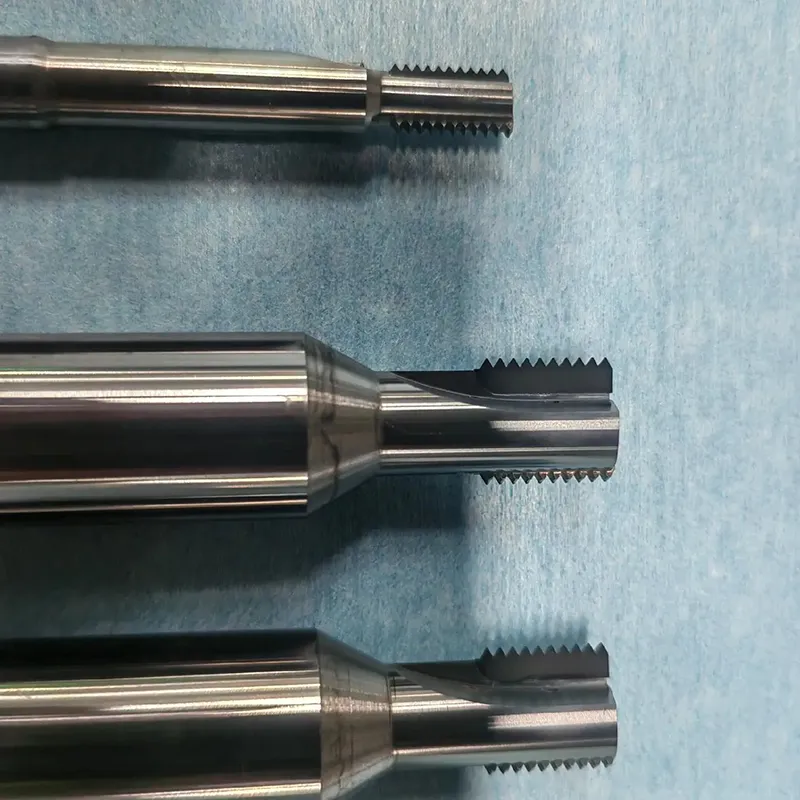
UNF-metric Thread Drilling and Threading Cutter
Looking for a reliable UNF-metric thread drilling and threading cutter manufacturer in China? At Wangdefu, we provide high-precision, long-life UNF cutters suitable for automotive, aerospace, and precision machinery applications. As a trusted supplier and factory, we deliver fast, high-quality solutions to help you reduce production costs and improve efficiency. Our cutters ensure thread accuracy, stable performance, and consistent results across batches, making us your ideal partner for high-precision UNF thread machining.
CNC Humanoid Robot Prototype with Core Component Shell
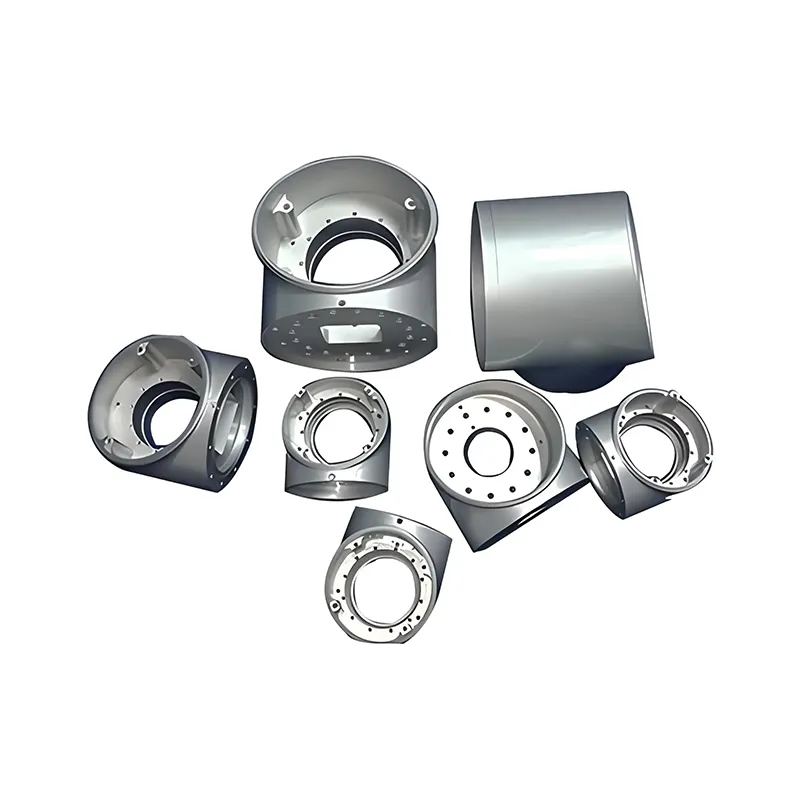
CNC Humanoid Robot Prototype with Core Component Shell from Wang Defu in Ningbo is a high-quality precision product. As a trusted China manufacturer and supplier with factory-level capabilities, WDF is recognized by the Beilun District Tool Engineering Technology Center as a benchmark factory. Leveraging extensive experience producing automotive components for Volvo and supporting NIO with new energy motor housings, WDF delivers reliable, high-precision prototypes with guaranteed quality.
PCD Non Standard Forming Cutter
Wangdefu specializes in PCD Non Standard Forming Cutter, providing full capabilities from R&D to custom production as a leading China manufacturer and supplier in super-hard cutting tools. With over a decade of experience, we focus on precisely shaping workpieces and achieving perfect finishes in one pass. Our custom cutters serve the automotive, aerospace, 3C (mobile phone and computer), and medical equipment industries, helping clients tackle complex machining challenges, accelerate production, and improve product quality. With factory-level production capabilities, Wangdefu delivers reliable, high-performance solutions for precision parts worldwide.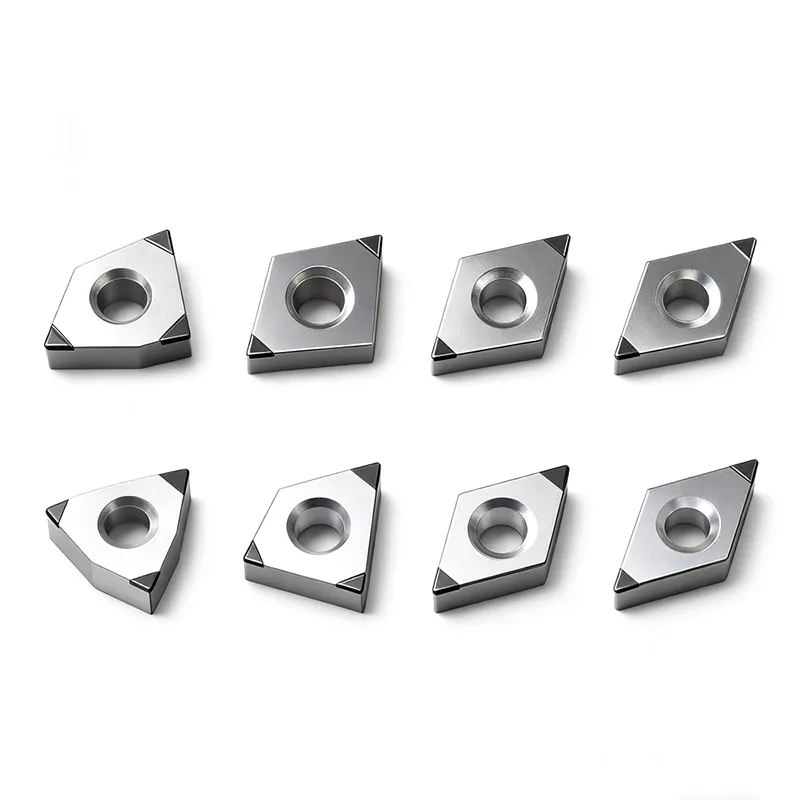
CBN Inserts
WDF is a professional China manufacturer specializing in CBN inserts, providing expertise in R&D, production, and sales. With strong technical capabilities and factory-level quality control, we deliver high-performance, precise, and reliable cutting solutions. As a trusted supplier in the super-hard tooling industry, WDF has earned an excellent reputation worldwide for quality and service.
CNC Prototype Model Reducer
CNC Prototype Model Reducer from Wangdefu Precision Machinery Factory in China is engineered for high precision, durability, and adaptability to various vehicle models. As a trusted China manufacturer and factory, WDF delivers reliable solutions for both traditional and new energy vehicles, ensuring accurate transmission performance and improved production efficiency.
- Related Blog
- Reviews

