
Diamond-Coated PCD Insert
For machining operations demanding the ultimate in tool life and surface finish, the Diamond-Coated PCD Insert represents the pinnacle of cutting technology. Engineered for exceptional performance in high-volume production and challenging materials, these inserts leverage the superior hardness and abrasion resistance of synthetic diamond. They are the definitive solution for manufacturers seeking to minimize downtime, reduce tooling costs per part, and achieve unparalleled consistency. Our portfolio includes specialized variants to meet precise operational needs. For bespoke machining challenges, our Application-Specific PCD Insert solutions are custom-designed to optimize geometry and substrate. The versatile PCD Diamond-Shaped Insert offers excellent strength and multiple cutting edges for efficient machining. Where extreme durability is critical, our Wear-Resistant PCD Insert provides an extended service life in highly abrasive environments. Specifically for aluminum, composites, and other non-ferrous alloys, the PCD Insert for Non-Ferrous Metals delivers mirror-like finishes and prevents material adhesion.
The Diamond-Coated PCD Insert is manufactured through a sophisticated process where a layer of polycrystalline diamond is firmly bonded to a premium carbide substrate under high pressure and temperature. This construction combines the extreme wear resistance of diamond with the toughness of carbide, resulting in a tool that withstands the rigorous demands of modern CNC machining. Key to its performance is the consistent microstructure of the PCD layer, which provides uniform hardness and sharpness across the entire cutting edge. The advanced geometry and precise edge preparation of each Diamond-Coated PCD Insert are optimized to ensure free-cutting action, excellent chip control, and reduced cutting forces. This leads to lower power consumption, less workpiece deformation, and significantly improved surface quality on the finished part, making it an indispensable asset for precision manufacturing.
Technical Specifications & Performance Data
The following table outlines the core material properties and standard specifications for our Diamond-Coated PCD Inserts.
| Parameter | Specification / Value | Performance Benefit |
|---|---|---|
| PCD Layer Thickness | 0.5 mm, 1.0 mm, 2.0 mm (Standard) | Determines re-grinding potential and overall tool life. |
| Substrate Material | Grade C2 Micro-Grain Carbide | Provides excellent support and shock resistance. |
| Hardness (PCD Layer) | > 8000 HV (Vickers) | Extreme abrasion resistance for machining abrasive composites and alloys. |
| Thermal Stability | Up to 700°C (in inert atmosphere) | Maintains integrity and edge sharpness at elevated temperatures. |
| Grain Size | Fine (2-10 µm), Medium (10-25 µm) | Finer grains for finer finishes; coarser grains for higher fracture resistance. |
Standard Geometry & Dimension Ranges
Our Diamond-Coated PCD Inserts are available in a wide array of industry-standard geometries and sizes to fit most toolholder systems.
- Insert Shapes: Round (R), Square (S), Triangle (T), Diamond (55°, 80°, 90°), Pentagon.
- Cutting Edge Length (IC): Ranges from 3.0 mm to 25.4 mm.
- Insert Thickness (S): Ranges from 2.5 mm to 9.525 mm.
- Corner Radius (RE): Sharp (RE 0.0), 0.2 mm, 0.4 mm, 0.8 mm, 1.2 mm, 2.0 mm.
- Hole/Bore Types: With hole, Without hole, Double-sided (for positive rake toolholders).
- Standard Coatings: Uncoated PCD, Diamond-Like Carbon (DLC) overcoat for non-ferrous metals.
Recommended Application Parameters
For optimal performance, use the following general starting parameters, adjusting based on specific machine, setup, and material conditions.
| Workpiece Material | Cutting Speed (Vc) m/min | Feed per Tooth (fz) mm | Depth of Cut (ap) mm | Coolant Recommendation |
|---|---|---|---|---|
| Silicon-Aluminum Alloys (e.g., A390) | 300 - 800 | 0.05 - 0.20 | 0.5 - 3.0 | Dry or Minimum Quantity Lubrication (MQL) |
| Fiber-Reinforced Plastics (CFRP, GFRP) | 200 - 400 | 0.03 - 0.15 | 0.5 - 2.0 | Compressed Air or Suction |
| Copper & Copper Alloys | 200 - 500 | 0.08 - 0.25 | 1.0 - 4.0 | Emulsion or Dry |
| Sintered Tungsten Carbide (Green) | 50 - 150 | 0.02 - 0.08 | 0.2 - 1.0 | Dry |
| Wood & Wood-Based Materials | 500 - 2000 | 0.10 - 0.50 | 1.0 - 10.0 | Dry |
Related Products




Hot Products
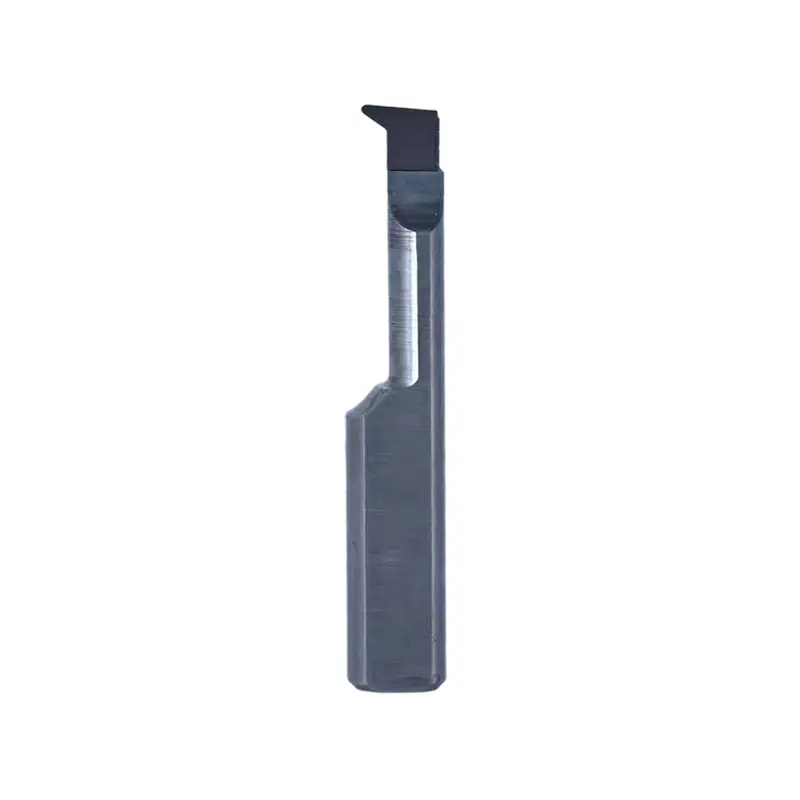
PCD Small Hole Boring Tool
PCD Small Hole Boring Tools from Wangdefu are designed for high-precision small hole reaming and through-hole machining. As a leading China manufacturer and factory, we provide high-performance tools that ensure superior accuracy, efficiency, and reliability, meeting the demands of complex industrial applications.
Cast Iron Precision Face Milling Cutter
Wandefu is a manufacturer with many years of experience in the production of Cast Iron Precision Face Milling Cutter. With years of solid research and accumulation, we have long been a trusted benchmark in the industry.Mature production technology and advanced technology and equipment, so that each Wandefu cast iron finish milling cutter has undergone layers of strict quality control, from raw material selection to finished product testing, no details are omitted, in order to ensure the high precision performance of the product.It is this dedication to quality that makes our products outstanding in the field of automotive parts manufacturing.Choosing Wandefu means choosing precision, quality and confidence.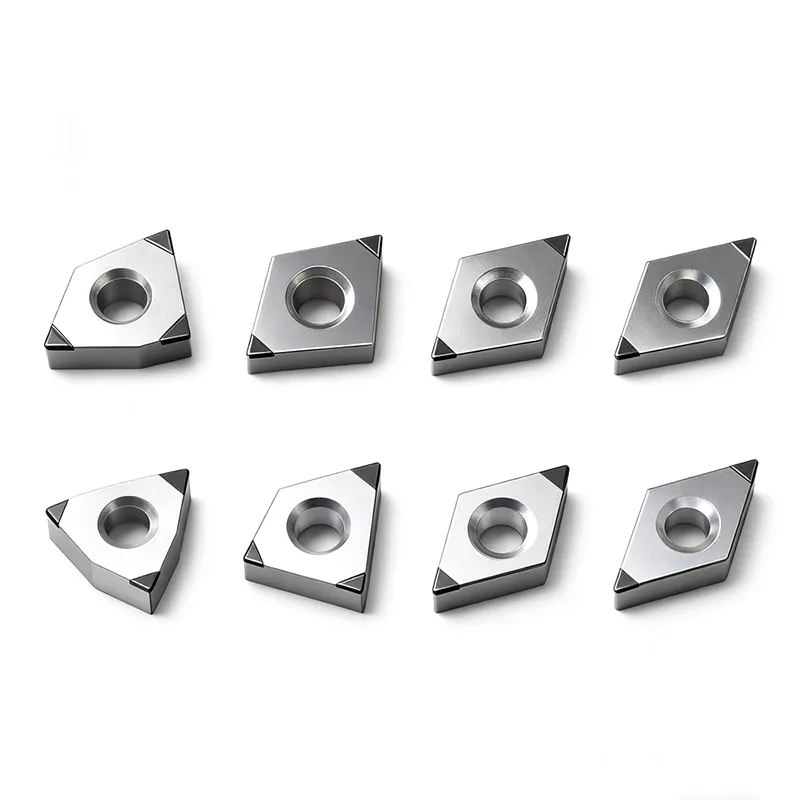
CBN Inserts
WDF is a professional China manufacturer specializing in CBN inserts, providing expertise in R&D, production, and sales. With strong technical capabilities and factory-level quality control, we deliver high-performance, precise, and reliable cutting solutions. As a trusted supplier in the super-hard tooling industry, WDF has earned an excellent reputation worldwide for quality and service.
CNC Milling Non-Standard Cutter Head
In the fields of precision machining and high-end manufacturing, efficiency, accuracy, and tool compatibility are the most important concerns for buyers. As a leading supplier in China, Wangdefu focuses on providing high-performance CNC milling non-standard cutter heads to meet the machining needs of various complex parts.
Carbide End Mills
Wangdefu offers high-performance Carbide End Mills designed for end-face, groove and profile machining of aluminum alloys, steels, stainless steels and composites. Our tools have high precision, wear resistance, high efficiency, support customized design, ensure stable processing of parts, smooth surface, consistent batch.
As a leading Factory in China, we provide one-stop solutions: selection, process optimization, installation guidance and after-sales technical support to make your production more efficient, reliable and less risky.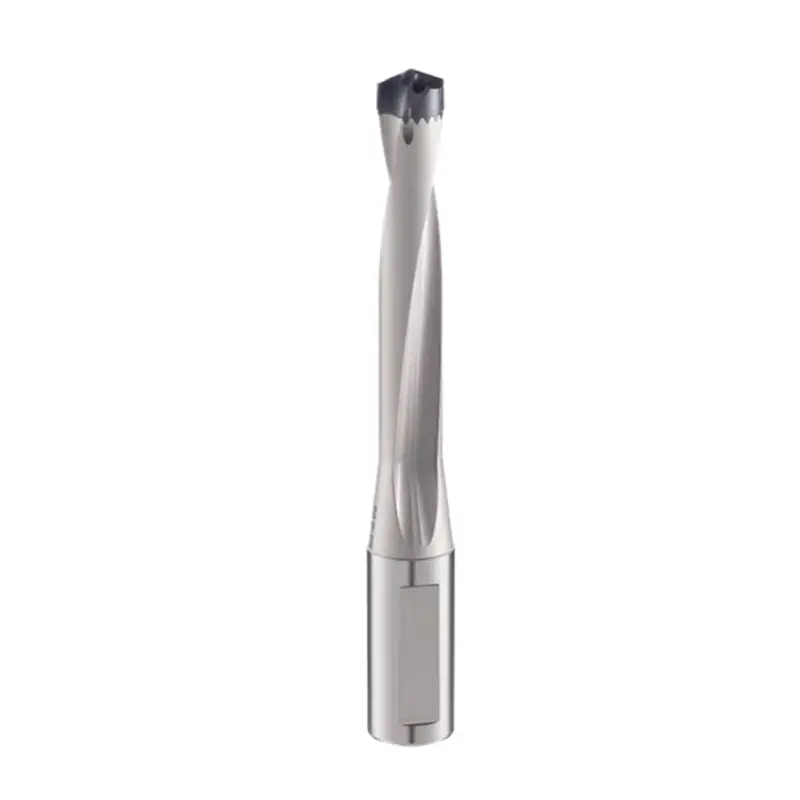
Indexable Flathead Drill
We are Wangdefu, a professional Chinese manufacturer and supplier specializing in high-precision CNC tooling and parts machining for over ten years. Our Indexable Flathead Drill is not only high-performance but also widely used in the automotive, robotics, aerospace, and mold manufacturing industries.
- Related Blog
- Reviews

